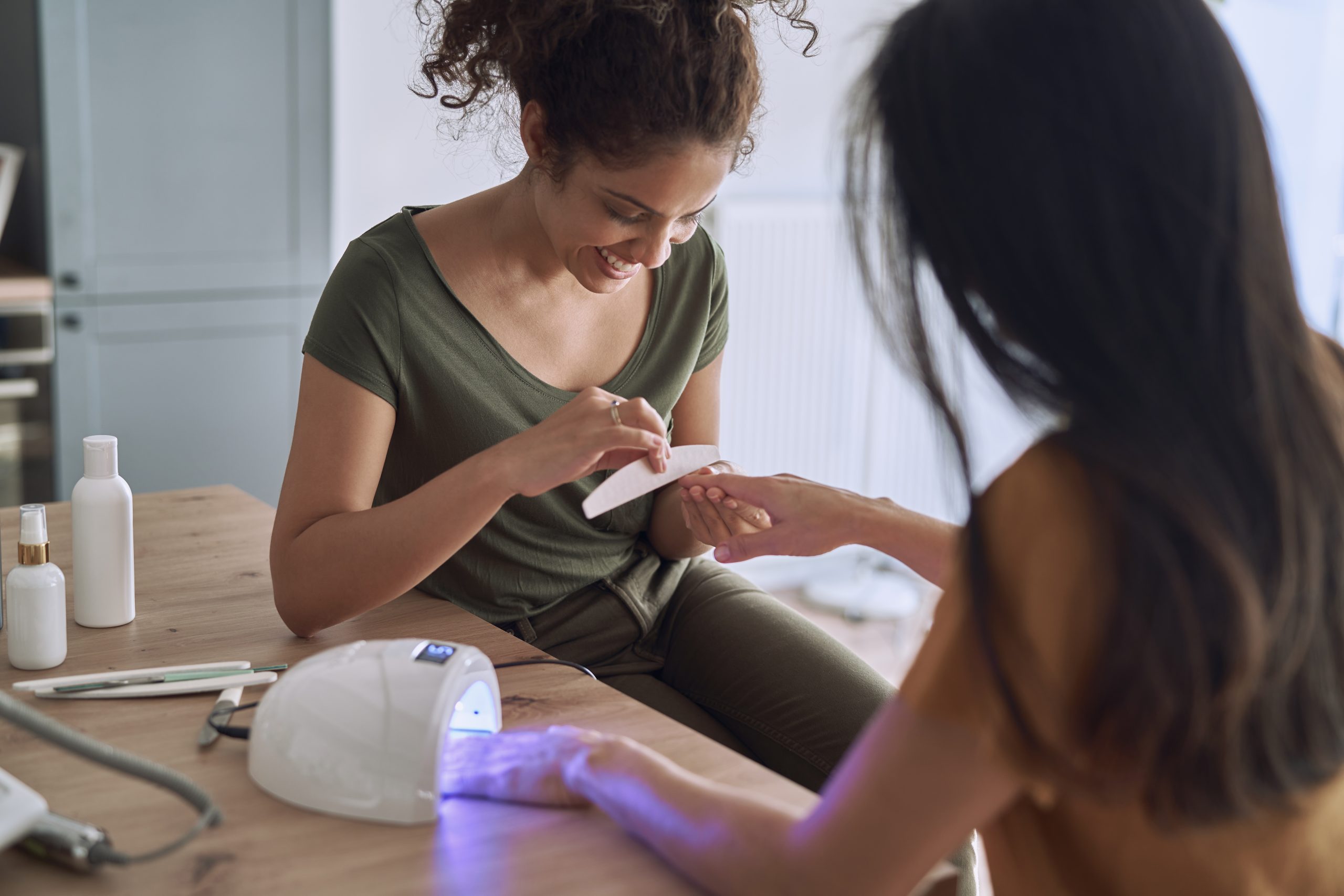
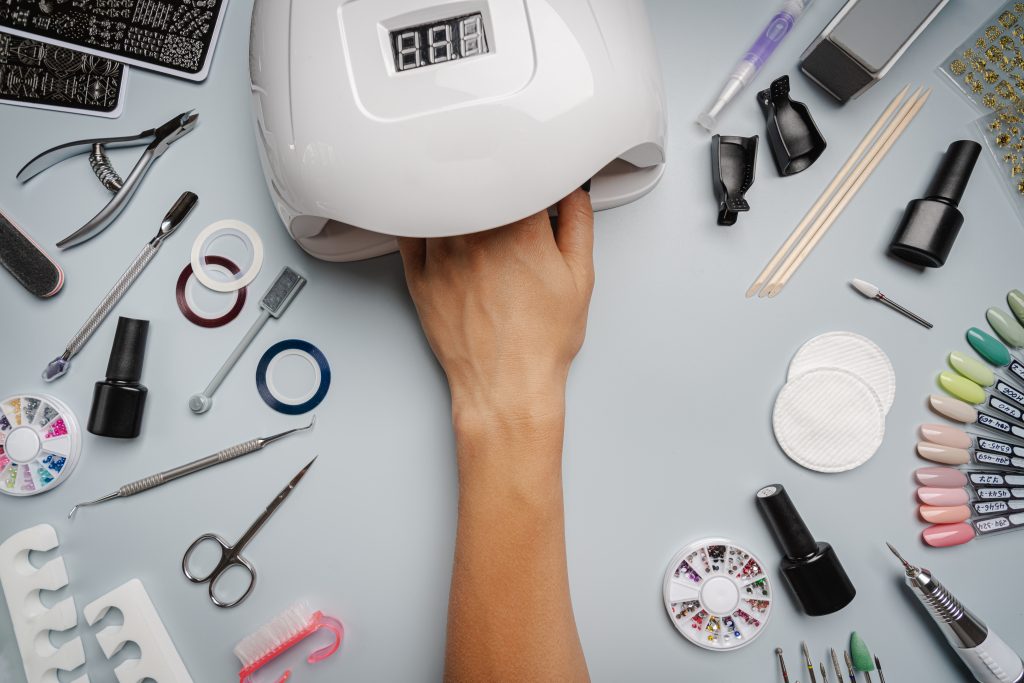
UV nail lamps are now staples in at-home gel manicure routines, loved for their convenience and salon-like results.
But recently, many beauty-conscious users have raised concerns: could frequent exposure to these devices be contributing to premature skin aging? This blog dives deep into how UV nail lamps work, what science says about their effects on the skin, and—most importantly—what you can do to stay protected while enjoying your manicure routine.
How They Work and What They Emit
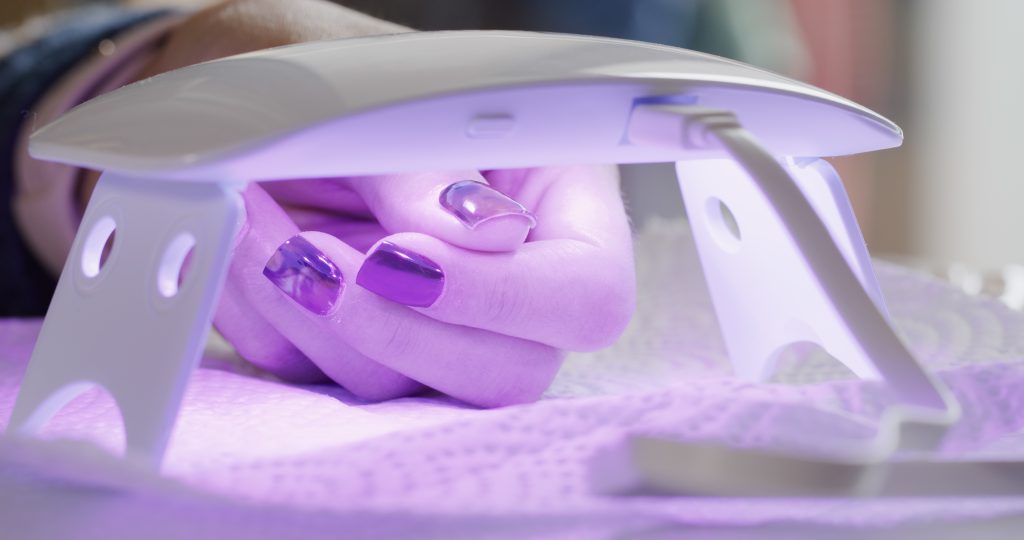
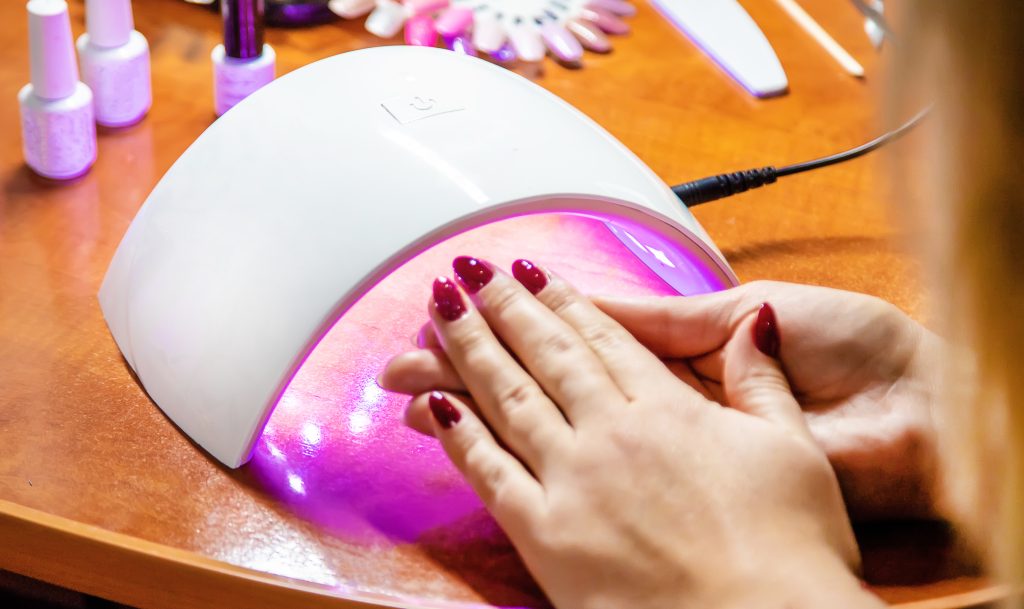
UV nail lamps use ultraviolet light—primarily UVA rays—to harden gel polish during manicures. There are two main types: traditional UV lamps, which use fluorescent bulbs, and LED lamps, which emit a narrower band of UVA but cure polish faster. Despite differences in technology, both types emit UVA radiation, which penetrates deeply into the skin and is known to play a significant role in photoaging.
The main concern isn’t the intensity of the light, but rather the cumulative effect of repeated exposure over months or years. As more people adopt weekly or bi-weekly gel manicures, questions about safety have become increasingly relevant.
The Link Between UVA Light and Skin Aging
To understand the risks posed by UV nail lamps, it’s important to look at the biological impact of UVA radiation on skin. Unlike UVB, which primarily causes sunburn, UVA penetrates deeper and damages collagen and elastin fibers in the dermis. Over time, this can lead to visible signs of aging such as:
- Fine lines and wrinkles
- Loss of skin elasticity
- Dark spots and uneven tone
- Increased dryness or rough texture
UVA exposure also generates free radicals, which contribute to oxidative stress and accelerate cellular aging. These effects aren’t immediate, but they build over time, especially on areas like the hands that are consistently exposed during gel manicures.
How Much UV Exposure Do Nail Lamps Actually Cause?
While the risks are rooted in real science, it’s also helpful to place them in perspective. Here’s a comparison of UVA exposure from UV nail lamps versus other common sources:
| Source of UVA Exposure | Typical Duration | Relative Intensity | Risk Area |
|---|---|---|---|
| UV nail lamp (gel manicure) | 6–10 minutes | Moderate (focused beam) | Fingers & hands only |
| Daily sun exposure (walking) | 15–30 minutes | High (broad area) | Face, hands, arms, etc. |
| Indoor tanning bed | 10–15 minutes | Extremely high | Full body |
Scientific data shows that a typical gel manicure session emits a relatively low UVA dose when compared to daily sun exposure or tanning beds. However, the focused and repeated nature of UV lamp exposure—especially without any skin protection—can still cause concern over time.
What Research Says About UV Nail Lamps and Aging Risk
Several studies have investigated the risks of UV nail lamps, with mixed but insightful results. For example, a 2014 study published in JAMA Dermatology concluded that the level of UV exposure from nail lamps is well below the threshold associated with significant skin damage or cancer risk in healthy individuals. Still, experts emphasize that cumulative exposure—even in small doses—can add up, particularly with weekly use over several years.
Another 2023 study published in Nature Communications showed that UV lamps can cause DNA damage in skin cells under lab conditions. However, it’s important to note that lab exposure durations were significantly longer and more intense than real-world usage. Thus, while occasional use is unlikely to be harmful, regular users should consider protective measures to reduce risk.
How to Protect Your Hands When Using UV Nail Lamps
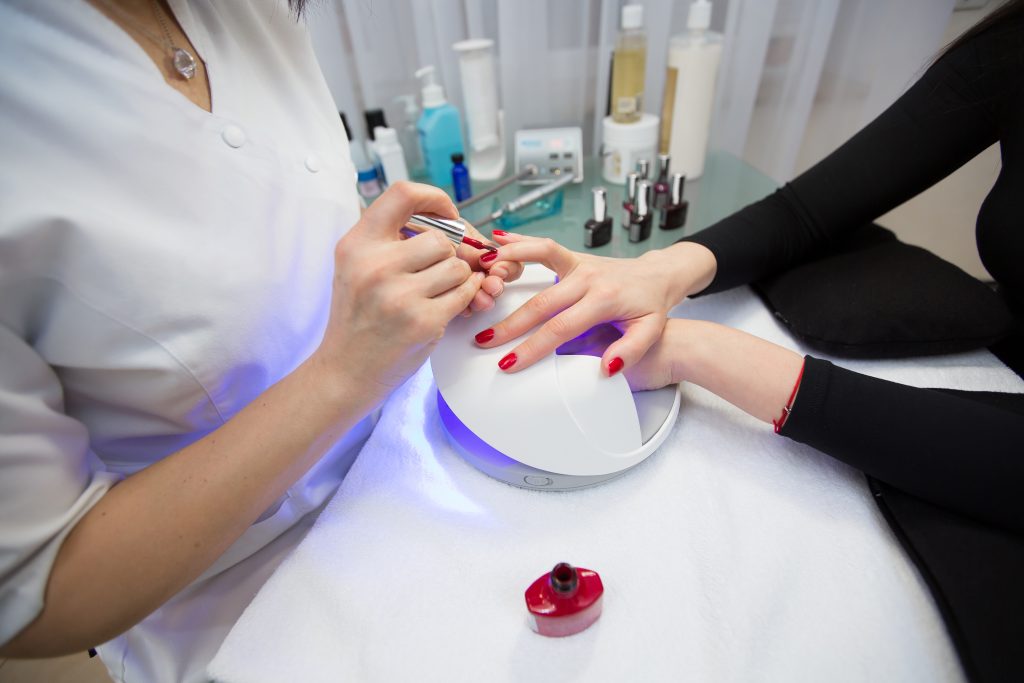
Even if the risk of skin aging from UV nail lamps is low, it’s still smart to take preventative steps. These simple precautions can dramatically lower your UVA exposure:
- Apply a Broad-Spectrum SPF (30 or higher)
Cover hands with sunscreen at least 20 minutes before starting your manicure. Look for formulas with zinc oxide or avobenzone for UVA protection. - Use UV-Blocking Manicure Gloves
These fingerless gloves are designed to shield the skin from UVA rays while leaving nails exposed. Many block up to 99% of harmful radiation. - Choose LED Lamps Over Traditional UV
LED lamps cure faster and emit narrower UVA wavelengths, reducing total exposure time. - Avoid Over-Curing
Always follow the recommended curing time from your gel polish brand. Overexposure won’t improve the result—it just adds unnecessary UVA. - Limit Frequency
If you’re doing weekly gel manicures, consider switching to every other week or alternating with regular polish.
By integrating these simple habits into your routine, you can continue enjoying the benefits of UV nail lamps while minimizing potential skin damage.
Are LED Nail Lamps a Safer Choice?
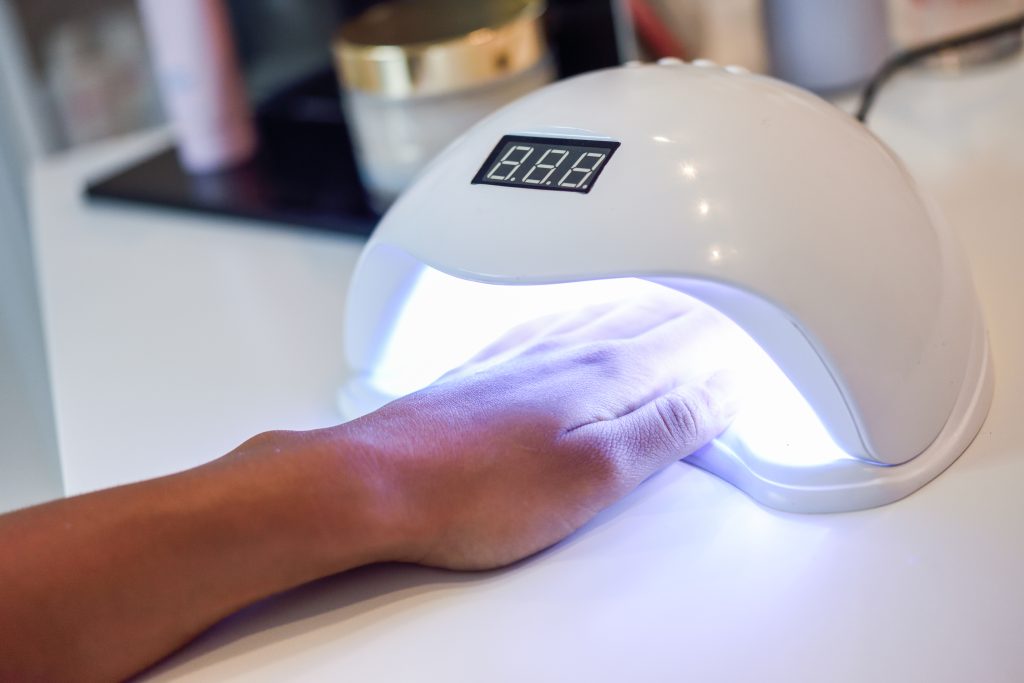
Yes, LED nail lamps are generally safer in terms of skin exposure—though not entirely risk-free. LED lamps use light-emitting diodes that produce UVA in a narrower, more efficient band. This means they cure polish in 30 to 60 seconds, significantly reducing the time your hands are under the light.
However, LED lamps still emit UVA radiation, which is the type linked to aging. So even though they reduce total exposure time, protection is still recommended—especially for frequent users.

What About Other Health Risks Besides Skin Aging?
While skin aging is the main cosmetic concern, it’s not the only issue people associate with UV nail lamps. Here are some other potential risks to consider:
- Skin Cancer: Although rare, prolonged exposure could slightly increase the risk, especially in people with fair skin or a history of skin cancer.
- Eye Damage: Looking directly into the lamp can strain or harm your eyes. Avoid staring into the device while it’s on.
- Allergic Reactions: Poorly cured gel polish due to incorrect lamp use may lead to allergic reactions or irritation.
These risks remain low for casual users, but long-term, regular exposure—especially without protection—makes it wise to take precautions.
Safer Alternatives to UV Nail Lamps
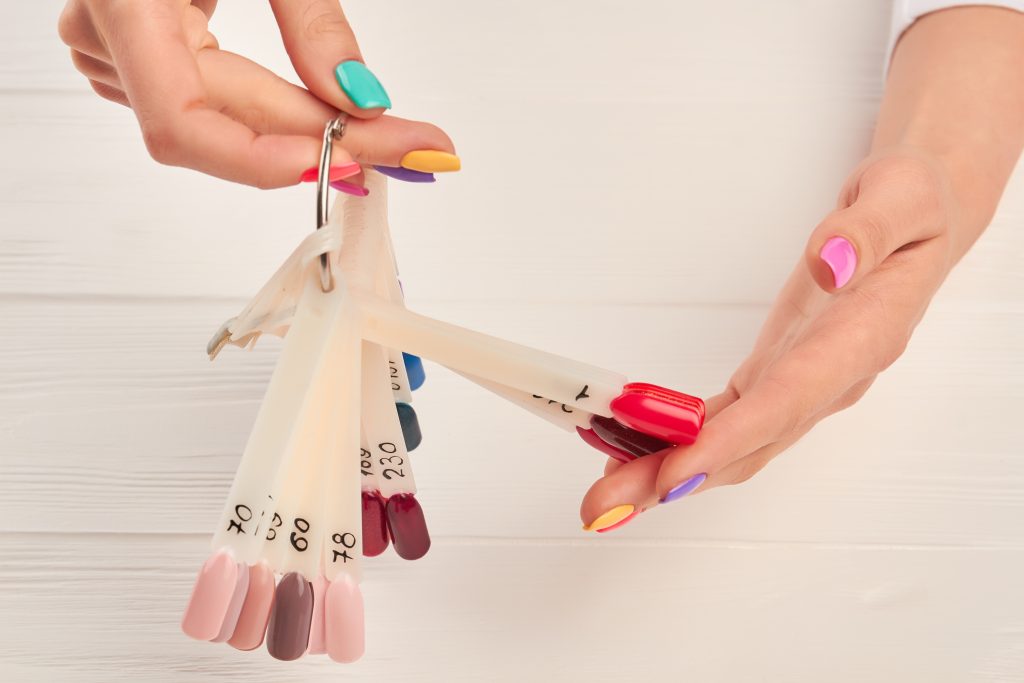
If you’d rather skip the UV exposure altogether, there are several nail options that deliver great results without requiring any curing lamp:
- Air-dry Gel-like Polishes: Brand like Essie Gel Couture offer long wear and shine with no UV required.
- Dip Powder Nails: These use bonding agents and don’t need light to harden. They’re durable and come in a wide range of shades.
- Press-on Gel Nails: Many high-quality press-ons mimic the salon look and last 7–10 days without any light curing.
These UV-free alternatives are ideal for people with sensitive skin or anyone looking to reduce long-term exposure risks.
FAQ
Is the UV exposure from nail lamps enough to cause skin damage?
Although the risk is relatively low compared to sunbeds or outdoor sunlight, repeated and long-term use of UV lamps without protection can lead to cumulative skin damage, including wrinkles and pigmentation.
Do UV nail lamps actually emit harmful UV rays?
Yes, most UV nail lamps emit UVA rays, which can penetrate deeper into the skin and contribute to premature aging. While the exposure time is short, repeated sessions may add up over time.
Are LED nail lamps safer than UV lamps?
LED nail lamps still emit UVA radiation, but they cure polish faster, reducing exposure time. However, the intensity of UVA in LED lamps can be higher, so protection is still recommended.
Can I use sunscreen under a UV nail lamp?
Yes! Dermatologists recommend applying a broad-spectrum sunscreen with at least SPF 30 to your hands 20 minutes before using a UV or LED lamp to help reduce UV damage.
Do UV nail lamps increase the risk of skin cancer?
The overall risk is considered low, but not zero. While studies haven’t conclusively linked nail lamps to skin cancer, preventive measures like wearing UV-protective gloves or using sunscreen are advisable.
Are there any alternatives to UV lamps for curing gel nails?
Yes. Some gel polish brands now offer no-light formulas or air-dry options, though they may not be as durable. You can also opt for regular polish with a gel-like finish.