
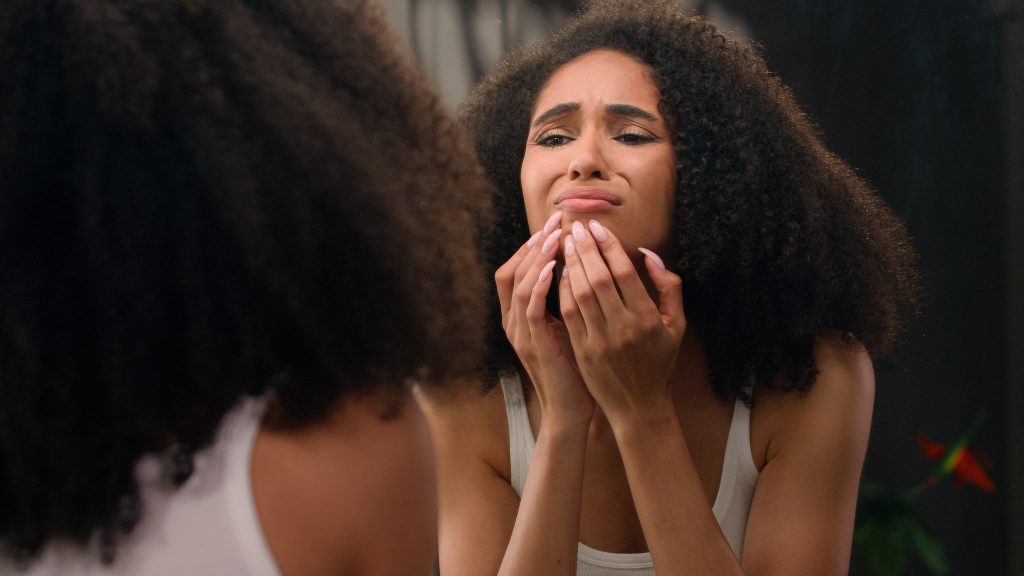
It’s no secret that stress can take a toll on your mental and emotional well-being. However, what many people don’t realize is that stress affects your skin just as powerfully—sometimes even before you feel its emotional impact.
From stubborn breakouts and excessive dryness to sudden sensitivity and early signs of aging, your skin often acts as a mirror, revealing the strain your body and mind are under. In fact, the effects of stress on your complexion can be subtle at first, then become more pronounced over time if not addressed. Understanding this connection is the first step toward breaking the cycle and restoring a healthier, more balanced complexion.
How Stress Affects Your Skin from Within
To begin with, it’s important to understand how the body responds to stress. When you feel stressed, your body produces several stress-related hormones, including cortisol, adrenaline, and pro-inflammatory cytokines. These hormones are part of your fight-or-flight response, but when activated frequently or for long periods, they can disrupt your skin’s normal functioning.
Here’s a quick breakdown of the main hormonal effects on your skin:
| Hormone | Impact on Skin |
|---|---|
| Cortisol | Increases oil production, leading to clogged pores and acne |
| Adrenaline | Reduces circulation to the skin, making it appear pale or dull |
| Cytokines | Increase inflammation, causing redness and sensitivity |
Over time, this hormonal imbalance weakens the skin barrier, slows down cell turnover, and decreases hydration—all of which make your skin more vulnerable to damage and irritation.
Common Skin Problems Caused by Stress
Once the body is under chronic stress, your skin may begin to exhibit a variety of problems. Below are the most frequent skin issues related to stress and a brief explanation of why they happen.
- Breakouts and Acne Flare-Ups
- One of the most immediate ways stress affects your skin is through breakouts. Cortisol boosts oil production in the sebaceous glands, which often leads to clogged pores and increased acne, especially along the jawline and chin.
- Dryness and Dehydration
- Stress can impair your skin’s natural barrier function, making it harder for your skin to retain moisture. As a result, your skin may become rough, flaky, or tight, even if you’re using moisturizers regularly.
- Increased Sensitivity and Redness
- When inflammation is elevated in the body, the skin may become more reactive to external products and environmental factors. If you already suffer from conditions like rosacea or eczema, stress may cause flare-ups to occur more often.
- Premature Aging
- In addition to breakouts and dryness, stress contributes to premature signs of aging. Cortisol breaks down collagen and elastin—the building blocks of firm, youthful skin—resulting in wrinkles, fine lines, and sagging.
- Dullness and Uneven Skin Tone
- Reduced circulation during stress deprives the skin of oxygen and nutrients. Consequently, your complexion may lose its radiance and appear fatigued or blotchy.
Signs That Stress Is Affecting Your Skin
If you’re unsure whether your skin concerns are stress-related, consider the following signs. They may indicate that stress is playing a significant role:
- Persistent breakouts, especially if they worsen during emotionally difficult periods
- Flaky or rough skin, even when using hydrating products
- Sudden sensitivity to skincare products you previously tolerated
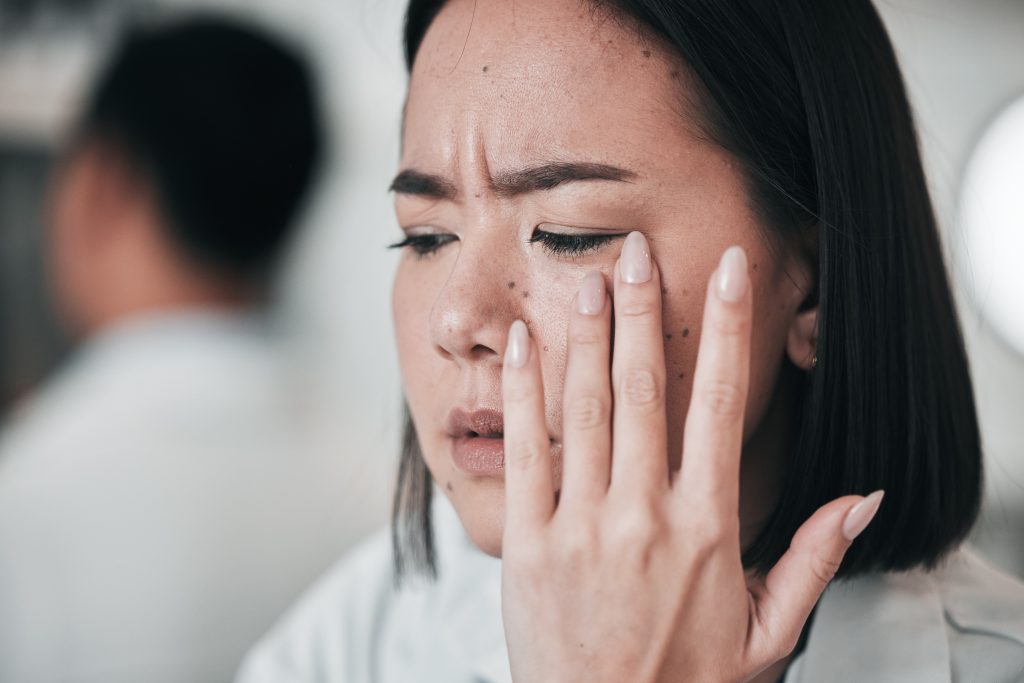
- Dark under-eye circles or uneven skin tone
- Recurrent flare-ups of eczema, rosacea, or psoriasis
- The appearance of fine lines or deepened wrinkles in a short time
When these symptoms occur together or worsen during stressful times, it’s likely that your skin is reacting to internal stressors.
How to Fix Stress-Related Skin Issues
Addressing stress-related skin concerns requires a two-pronged approach: managing stress from the inside and caring for your skin with targeted products on the outside. Let’s explore both.
1. Start with Lifestyle Changes
Although skincare is essential, it won’t be fully effective if the underlying cause—stress—is left unchecked. Consider adopting the following stress-reducing habits:
- Prioritize quality sleep: Aim for 7–9 hours per night to support the skin’s natural repair process.
- Incorporate exercise: Movement helps reduce cortisol levels and improve blood flow, which benefits the skin.
- Practice relaxation techniques: Mindfulness, deep breathing, or journaling can help you manage stress in healthy ways.
- Follow a balanced diet: Foods rich in antioxidants, omega-3 fatty acids, and vitamins A, C, and E support skin health from within.
Avoiding highly processed foods, sugary snacks, and excessive caffeine or alcohol can also reduce inflammation and improve skin texture.


2. Adjust Your Skincare Routine
Once you’ve addressed internal stress, it’s time to reassess your skincare routine. Choose calming, nourishing, and hydrating products that help repair the skin barrier and reduce inflammation.
Recommended steps include:
- Gentle cleansing: Use sulfate-free cleansers that won’t strip the skin’s natural oils.
- Hydrating serums: Look for ingredients like hyaluronic acid, niacinamide, or panthenol.
- Barrier-repair moisturizers: Ceramides, peptides, and squalane can help restore the skin’s defenses.
- Daily SPF: Sun exposure can worsen inflammation and pigmentation, so sunscreen is non-negotiable.
- Weekly soothing masks: A calming mask with aloe vera, oat extract, or chamomile can provide instant relief.
Best Ingredients for Stressed Skin
To make choosing the right products easier, here’s a quick table of effective ingredients for skin affected by stress:
| Ingredient | Benefit |
|---|---|
| Niacinamide | Strengthens the skin barrier and reduces redness |
| Centella Asiatica (Cica) | Calms inflammation and promotes healing |
| Ceramides | Replenish skin lipids and restore hydration |
| Aloe Vera | Soothes irritation and cools inflamed skin |
| Green Tea Extract | Rich in antioxidants; reduces free radical damage |
Including products with these ingredients in your daily routine can accelerate the healing process and prevent further stress-induced skin concerns.
When Should You Seek Professional Help?
While many cases of stress-related skin issues can be managed at home, there are situations when professional help is necessary. If your skin concerns persist despite lifestyle changes and consistent care, it’s best to consult a dermatologist. They may recommend prescription treatments or rule out underlying skin disorders.
Additionally, if your stress levels are interfering with your quality of life, speaking to a therapist or counselor may offer significant emotional and physical relief—including improvements in your skin condition.
FAQ
Can stress really cause skin problems?
Yes, stress can trigger a wide range of skin problems. When you’re stressed, your body produces hormones like cortisol, which increase oil production and inflammation. This can lead to acne, redness, sensitivity, dryness, or flare-ups of conditions like eczema and psoriasis.
Why does my skin break out when I’m stressed?
Stress causes an increase in cortisol, which in turn stimulates your oil glands to produce more sebum. Excess sebum, combined with inflammation, can clog pores and lead to breakouts, especially in stress-prone areas like the jawline and chin.
Does stress age your skin faster?
Yes. Chronic stress can accelerate signs of aging by breaking down collagen and elastin—proteins that keep your skin firm and youthful. Over time, this leads to the appearance of fine lines, wrinkles, and sagging.
Should I avoid certain products when my skin is stressed?
Yes. When your skin is compromised, it’s best to avoid:
Alcohol-based toners
Instead, focus on gentle, fragrance-free, and non-comedogenic formulations that repair and soothe the skin.
Strong exfoliants (like AHAs or BHAs)
Retinoids (unless prescribed and tolerated)
Fragrance-heavy products