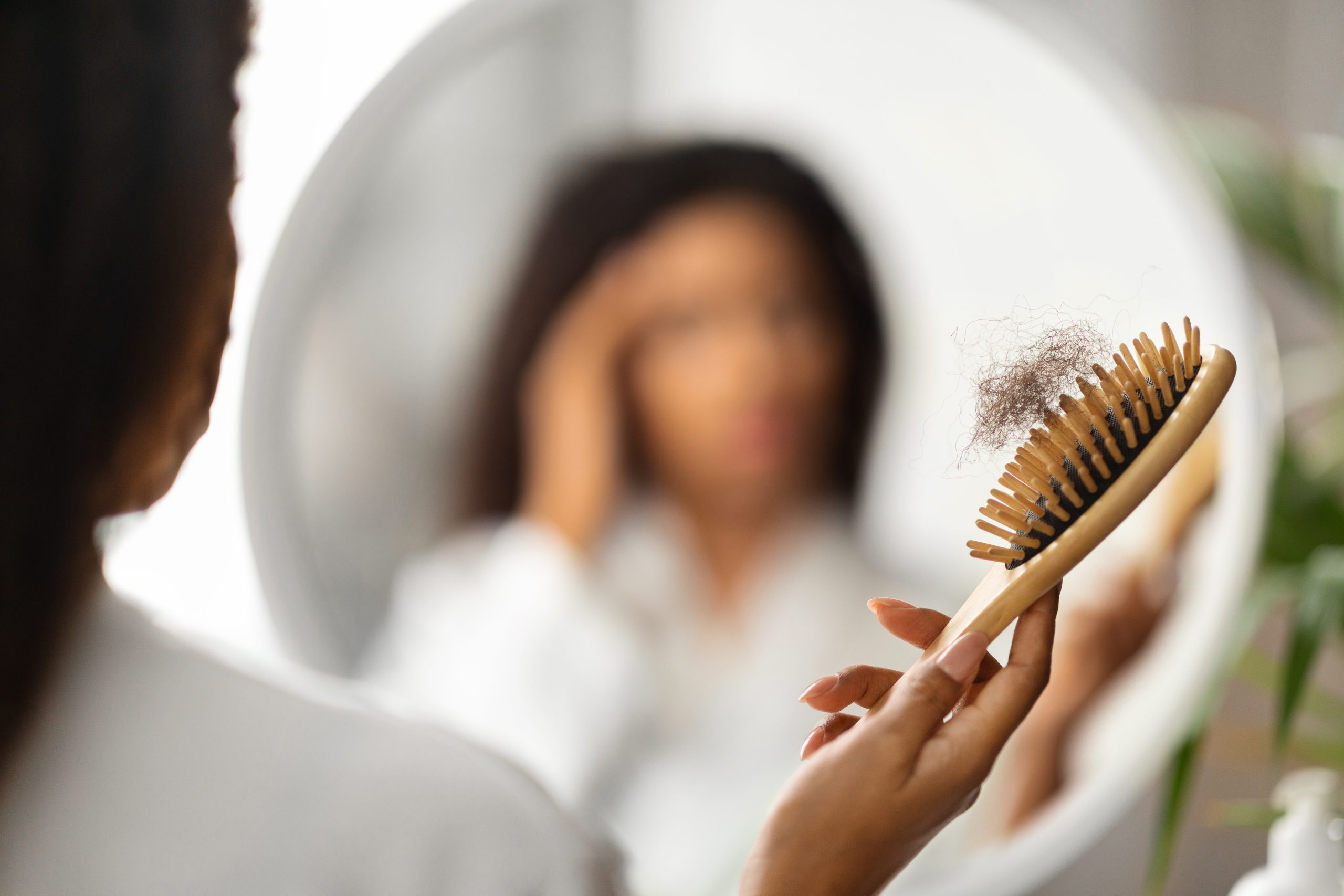
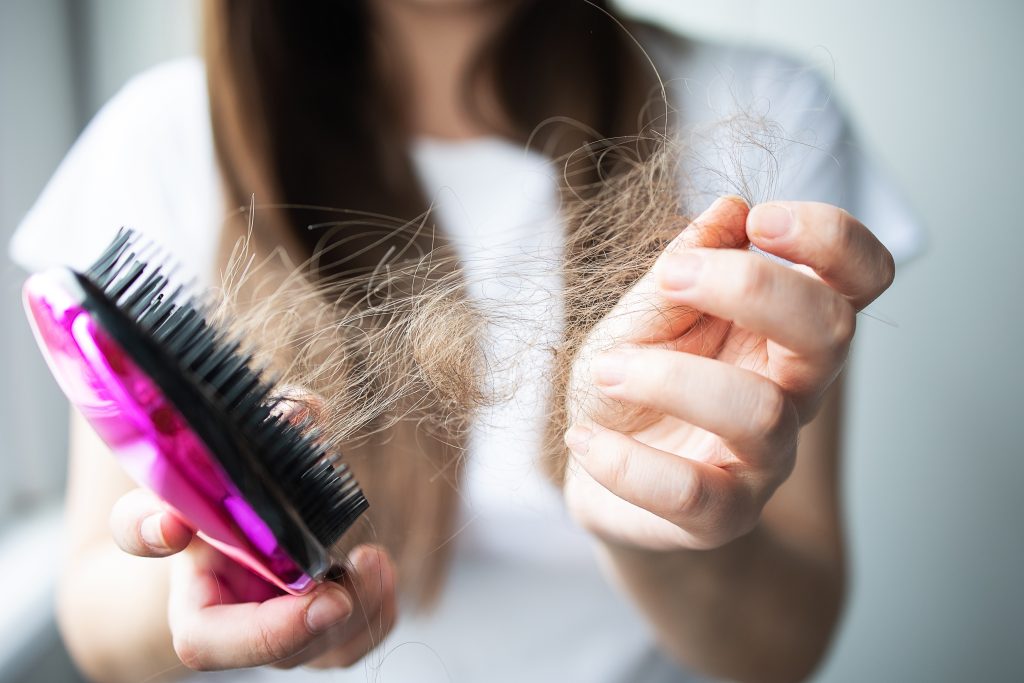
Hair loss causes can be complex and vary widely from person to person.
Whether you’re noticing thinning hair, patchy bald spots, or general shedding, understanding the root causes is essential to finding effective treatments. In this blog, we will explore the top hair loss causes and share proven ways to treat them, ensuring you gain a comprehensive insight into this common concern. With clear explanations and practical advice, you’ll learn how to take control and promote healthier hair growth.
Genetics: The Most Common Cause of Hair Loss
Genetic hair loss, also known as androgenetic alopecia, is the most common cause of hair loss. It’s inherited and affects both men and women, typically in predictable patterns.
Signs to Watch For:
- Receding hairline or thinning crown in men
- Widening part or overall top thinning in women
- Gradual onset, often worsening with age
How to Treat It:
- Minoxidil (Rogaine): A topical treatment that stimulates follicles
- Finasteride (Propecia): An oral medication for men that blocks DHT
- Hair Transplants: Surgical relocation of healthy hair follicles
- Laser Therapy: Low-level light therapy to boost blood flow and follicle health
Tip: The earlier you start treatment, the more hair you can preserve and potentially regrow.
Hormonal Imbalances: A Silent Trigger
Hormonal fluctuations can disrupt the hair growth cycle, making this one of the most overlooked hair loss causes — especially in women.
Common Triggers Include:
- Postpartum hormone shifts
- Menopause
- Polycystic ovary syndrome (PCOS)
- Thyroid imbalances (hypo- or hyperthyroidism)
How to Treat It:
- Thyroid medication: To restore hormone balance if diagnosed with thyroid issues
- Lifestyle adjustments: For PCOS and menopause-related symptoms
- Hormone therapy: In some menopausal cases
- Postpartum care: Usually self-resolves with time, supported by rest and nutrition
Tip: Always test hormone levels with a healthcare provider before starting any treatment.
Nutritional Deficiencies: What Your Hair Might Be Missing
Your hair needs key nutrients to grow and stay strong. A poor diet or restrictive eating plan can quickly lead to noticeable hair thinning or breakage.
Deficiencies Commonly Linked to Hair Loss:
- Iron: Carries oxygen to hair follicles
- Vitamin D: Helps create new follicles
- Zinc: Supports hair tissue repair
- Biotin (B7): Important for keratin production
- Protein: The building block of hair strands
How to Treat It:
- Eat a nutrient-rich diet: Include leafy greens, lean meats, eggs, and nuts
- Correct deficiencies: Use supplements if prescribed after testing
- Stay hydrated: Dehydration can also impact scalp health
Tip: Iron deficiency is the most frequent nutritional cause of hair loss in women of childbearing age.
Stress: A Common but Reversible Cause
Physical or emotional stress can shift a large number of hair follicles into the resting phase, causing a condition called telogen effluvium — which results in sudden shedding.
Stress-Related Hair Loss Triggers:
- Emotional trauma (grief, anxiety, burnout)
- Surgery, illness, or major life changes
- Sudden weight loss or crash dieting
- Chronic insomnia or fatigue
How to Treat It:
- Practice stress reduction: Mindfulness, therapy, yoga, or journaling
- Exercise regularly: To regulate hormones and boost circulation
- Focus on nutrition: Stress depletes nutrients, so eat whole foods
- Rest well: Aim for 7–8 hours of quality sleep per night
Tip: Hair loss from stress usually begins 2–3 months after the trigger and often reverses within 6–9 months.
Scalp Conditions: Don’t Overlook Your Scalp Health
Your scalp is the soil from which your hair grows — if it’s inflamed or unhealthy, hair loss can follow. This includes both infections and autoimmune issues.
Scalp-Related Hair Loss Causes:
- Seborrheic dermatitis: Dandruff and oil buildup
- Psoriasis: Flaky, itchy patches that can damage follicles
- Fungal infections: Ringworm can cause scaly bald spots
- Alopecia areata: Autoimmune condition that causes patchy hair loss
How to Treat It:
- Antifungal shampoos or creams: For infections like ringworm
- Corticosteroids: For autoimmune or inflammatory scalp conditions
- Scalp-friendly care: Use gentle, sulfate-free shampoos and avoid scratching
Tip: If you notice redness, pain, or persistent flakes, see a dermatologist — scalp health is vital to hair growth.
Hair Styling and Environmental Damage
Lastly, mechanical and environmental damage is a leading — and preventable — hair loss cause. Daily habits can cause long-term damage without you realizing it.
Styling Practices That Harm Hair:
- Excessive heat styling (blow dryers, flat irons)
- Tight hairstyles (braids, buns, ponytails)
- Frequent bleaching or chemical treatments
Environmental Factors:
- UV exposure
- Air pollution
- Chlorine or hard water
How to Treat It:
- Limit heat tools: And always use heat protectants
- Switch styles: Rotate between loose hairstyles to avoid tension
- Use protective products: UV sprays and deep conditioners
- Rinse hair after exposure: Especially after swimming or dusty days
Tip: Build in “hair rest days” during the week to let strands recover naturally.
Home Treatments for Stronger Hair
In addition to targeting the underlying causes of hair loss, building a consistent hair care routine at home is essential for long-term results. For example, using a gentle shampoo helps remove buildup and keeps the scalp environment clean, while a nourishing conditioner works to restore moisture, smoothness, and strength. As a result, your hair becomes more resilient to daily stress and breakage. Furthermore, when these basic treatments are chosen based on your specific hair type—such as dry, thinning, or damaged hair—they can greatly enhance the effectiveness of more advanced solutions. Ultimately, by combining professional advice with mindful at-home care, you can create the ideal foundation for healthier, fuller hair.

FAQ
How do I know what’s causing my hair loss?
Start by observing patterns (e.g., thinning or patchy loss), then consult a dermatologist or trichologist who may recommend blood tests or scalp analysis.
Is hair loss reversible?
It depends on the cause. Temporary hair loss due to stress, diet, or hormonal shifts is often reversible. Genetic hair loss can be slowed or improved with treatment.
What vitamin deficiency causes hair loss?
Iron, Vitamin D, Zinc, Biotin, and Protein deficiencies are commonly linked to hair thinning and shedding.
Can hair grow back after thinning?
Yes, especially if the cause is addressed early. Treatments like minoxidil, lifestyle changes, or supplements can support regrowth in many cases.
Does washing hair too often cause hair loss?
No, but using harsh shampoos or washing aggressively can cause breakage. Use a mild, sulfate-free shampoo and condition regularly.