In recent years, Korean skincare has become more than just a trend—it’s a global movement that has revolutionized the beauty industry. From its innovative ingredients to its holistic approach, Korean skincare has captured the attention of skincare enthusiasts and beauty professionals alike. Known for its meticulous routines, cutting-edge technology, and focus on maintaining healthy, radiant skin, Korean skincare offers more than just superficial results. It’s about cultivating a long-term, effective skincare practice that nurtures and nourishes the skin from within.
This beauty regimen, which has been embraced worldwide, is built on principles of prevention and hydration, making it suitable for nearly all skin types and concerns. Whether you’re dealing with acne, dryness, aging, or just looking to enhance your skin’s overall appearance, Korean skincare has a solution. In this post, we’ll explore why this skincare trend is worth trying and how you can seamlessly incorporate it into your daily routine to achieve glowing, healthy skin.
Why Korean Skincare Stands Out
First and foremost, Korean skincare is rooted in the philosophy of prevention. Unlike many Western beauty routines that focus on fixing issues as they arise, Korean skincare emphasizes maintaining healthy skin through consistent care. The routine is often more comprehensive, involving a variety of products that target different skin concerns, such as hydration, brightening, and anti-aging. These formulas are designed to work in harmony, ensuring that your skin receives the nutrients it needs to thrive.
What sets Korean skincare apart is the use of cutting-edge ingredients like snail mucin, ginseng, and centella asiatica, all known for their healing and rejuvenating properties. These ingredients work together to give your skin a radiant, youthful glow. Additionally, Korean skincare places a strong emphasis on hydration, which is why the dewy, glass-like skin so commonly associated with this trend is achieved through a combination of products designed to lock in moisture.
The Iconic Multi-Step Routine
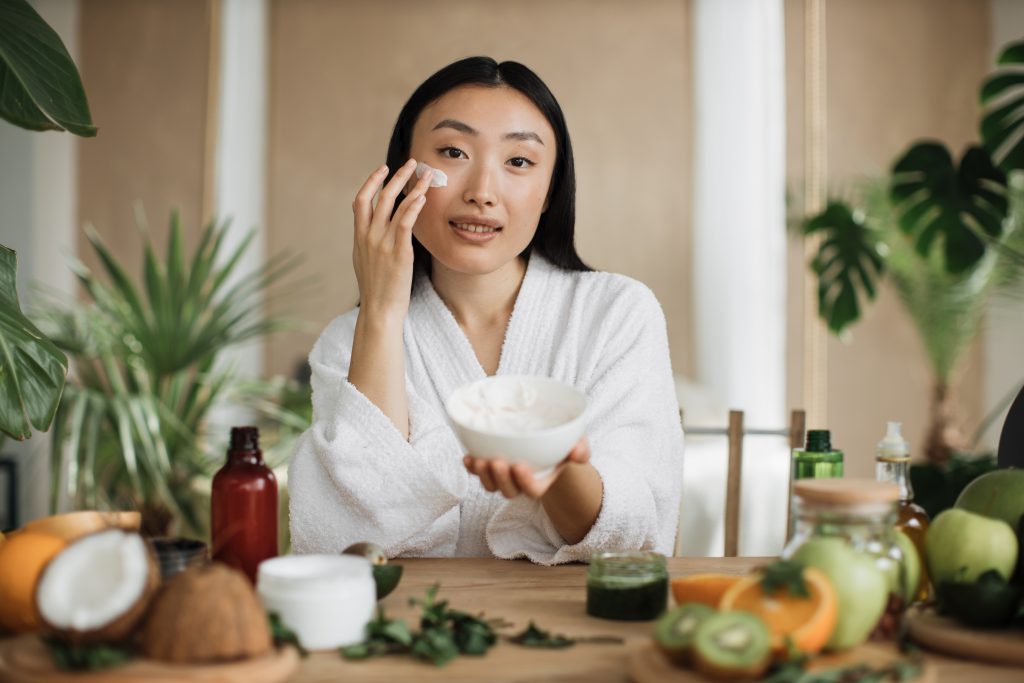
One of the defining characteristics of Korean skincare is the iconic multi-step routine, often ranging from 7 to 10 steps. While it may sound overwhelming at first, it’s this meticulous approach that ensures your skin receives a comprehensive level of care. Here’s a breakdown of the typical steps in a Korean skincare routine:
- Oil-based Cleanser – This is the first step in ensuring your skin is free of makeup and impurities. Oil cleansers break down makeup and sunscreen without stripping the skin’s natural oils.
- Water-based Cleanser – Following the oil cleanse, this step ensures that any remaining residue is removed.
- Exfoliator – Exfoliating products help slough off dead skin cells, promoting a smoother, brighter complexion.
- Toner – Toners balance the skin’s pH and provide a base layer of hydration.
- Essence – Essences are lightweight but highly concentrated formulas designed to hydrate and prep the skin for the next steps.
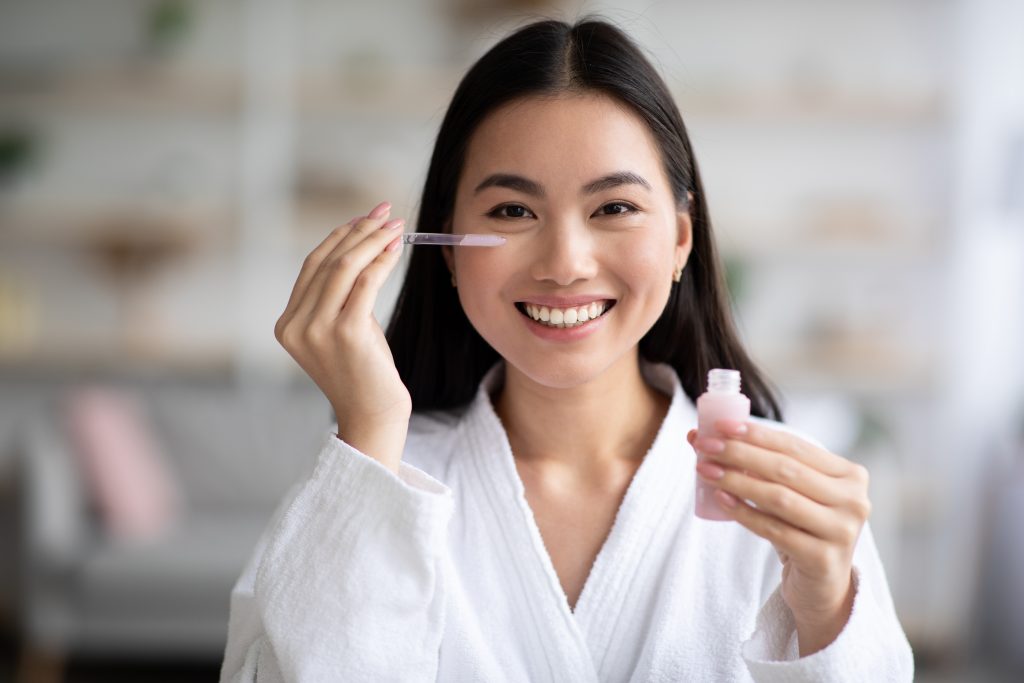
- Serum – Target specific concerns like fine lines, pigmentation, or acne with serums packed with active ingredients.
- Sheet Mask – These masks are a Korean skincare favorite. They are soaked in nourishing ingredients that deeply hydrate and rejuvenate the skin.
- Eye Cream – Aimed at addressing under-eye concerns like puffiness and dark circles, eye creams provide additional moisture and nutrients.
- Moisturizer – Lock in hydration with a rich moisturizer that keeps your skin soft and plump.
- Sunscreen – The final and most crucial step in your routine, sunscreen protects your skin from harmful UV rays that can cause premature aging.
Why You Should Try Korean Skincare
While the multi-step routine may seem like a lot, each product serves a specific purpose, and the results speak for themselves. Korean skincare focuses on gentle, non-invasive methods to help the skin thrive over time. You’ll notice an improvement in texture, tone, and overall skin health as you gradually incorporate these products into your routine.
Moreover, the emphasis on hydration is something many people overlook in their regular skincare routine. By ensuring that your skin is adequately moisturized at every step, Korean skincare helps to prevent dryness, flakiness, and dullness, giving your complexion a natural, healthy glow.
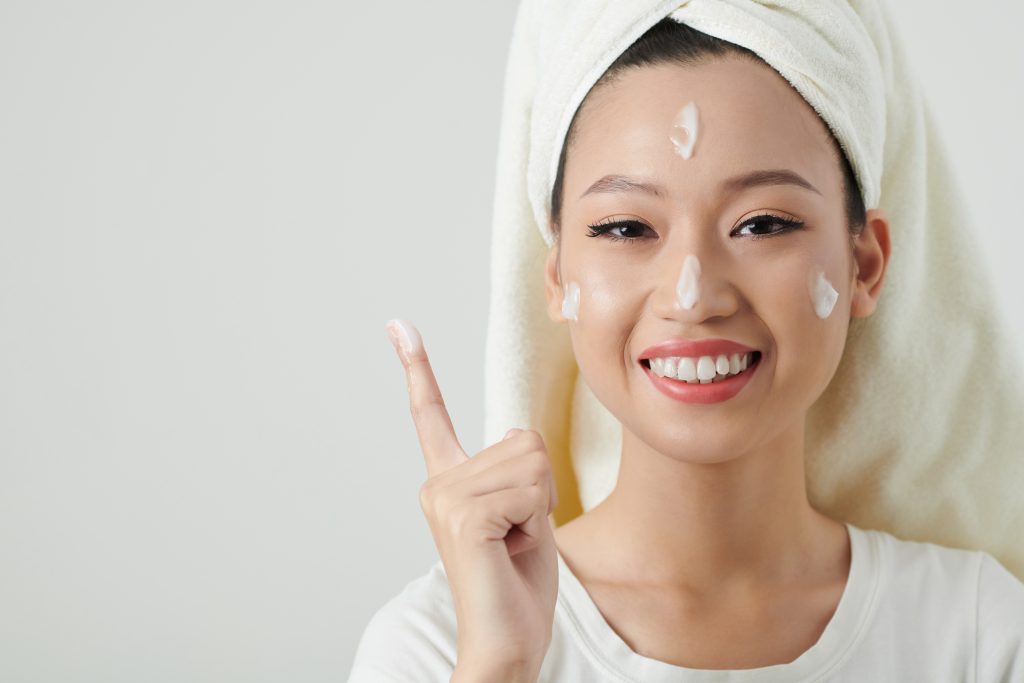
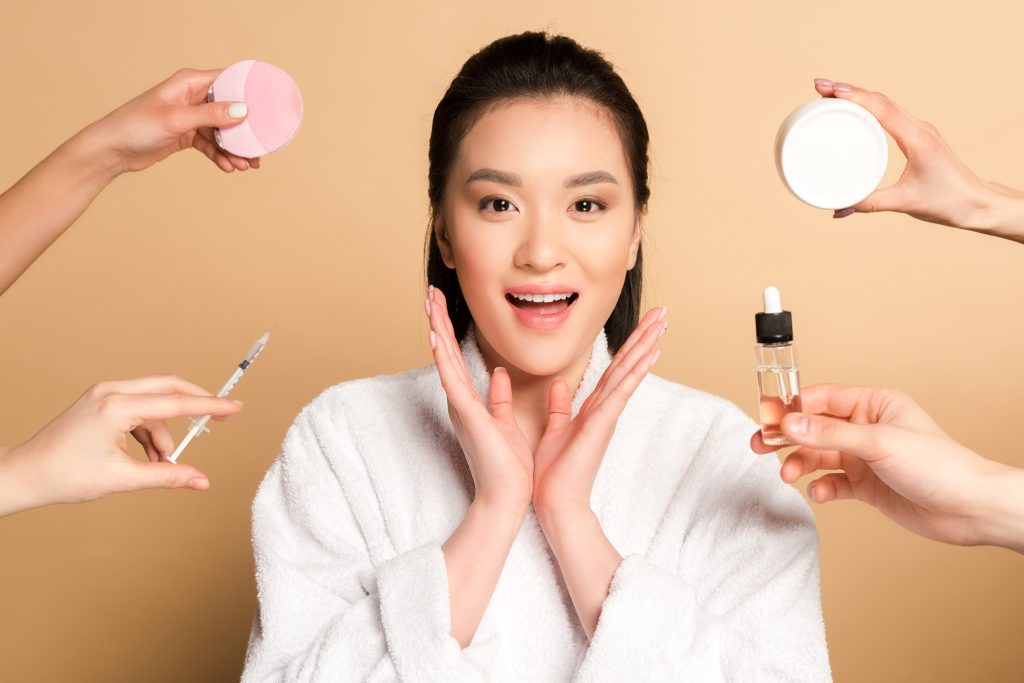
Must-Try Korean Skincare Products
To get started with Korean skincare, there are a few essential products you should consider adding to your routine:
- Cleansers: Look for oil-based and water-based cleansers that remove impurities without stripping your skin’s moisture.
- Toners: Hydrating toners infused with ingredients like hyaluronic acid or rose water are excellent choices for prepping the skin.
- Essences and Serums: These products are packed with active ingredients that address specific skin concerns, from fine lines to uneven pigmentation.
- Sheet Masks: Incorporate sheet masks into your routine a few times a week for a deep hydrating and revitalizing treatment.
- Sunscreen: Never forget this crucial step. Korean sunscreens are lightweight and provide broad-spectrum protection.
Final Thoughts on Korean Skincare
The Korean skincare trend is more than just a passing fad—it’s a testament to the effectiveness of thoughtful, ingredient-driven beauty. As more people discover the benefits of this approach, it’s clear that Korean skincare will continue to influence skincare routines around the globe. By embracing hydration, prevention, and innovation, you can give your skin the best possible care.
So, whether you’re looking to overhaul your skincare routine or simply add a few new products, Korean skincare offers a wealth of solutions that are sure to meet your needs. Give it a try, and you might just be amazed by the transformation.

FAQ
What makes Korean skincare different from Western skincare?
Korean skincare focuses on prevention rather than correction, with a heavy emphasis on hydration, gentle exfoliation, and incorporating innovative ingredients. While Western skincare often relies on a simpler, more straightforward approach, Korean skincare routines are often multi-step and focus on nurturing the skin with highly concentrated ingredients. This comprehensive approach helps maintain healthy, balanced skin in the long run.
Do I need to follow the entire 10-step Korean skincare routine?
Not necessarily! While the 10-step routine is popular, it’s customizable. You can adjust it to your skin’s needs and lifestyle. For example, if you’re short on time, you can focus on the essential steps like cleansing, toning, moisturizing, and sunscreen. The beauty of Korean skincare is that it allows flexibility and can be tailored to suit your unique skin concerns.
How often should I use sheet masks in my routine?
Sheet masks are a great addition to your routine, but they don’t need to be used every day. For most people, 2-3 times a week is enough to see the benefits of intense hydration and skin rejuvenation. If you’re looking for a quick boost before a special occasion or after a long day, you can use them more frequently.
How long will it take to see results with Korean skincare?
Korean skincare focuses on long-term results, so it can take several weeks or even months to see visible improvements. Consistency is key—by sticking to a regular routine, you’ll notice improvements in your skin’s texture, moisture levels, and overall appearance. Don’t expect overnight changes, but with continued use, the results will be well worth the wait.
How can I find the right Korean skincare products for my skin type?
To find the best Korean skincare products, you need to first determine your skin type and concerns. For example:
Combination skin: Use products that balance oil and hydration, such as light toners or balancing serums.
Oily skin: Look for lightweight, gel-based products that provide hydration without clogging pores.
Dry skin: Choose rich, nourishing products like moisturizing creams or serums with hydrating ingredients such as hyaluronic acid.
Sensitive skin: Opt for gentle products that are free from fragrances and alcohol, with soothing ingredients like centella asiatica and chamomile.