

When it comes to achieving flawless, long-lasting nails, Polygel and Acrylic Extensions have become two of the most popular choices in the nail world.
Both methods promise stunning, durable results, but which one is right for you? Whether you’re after strength, flexibility, or a flawless finish, understanding the differences between Polygel and Acrylic Extensions is key to making an informed decision. In this guide, we’ll dive into the features, benefits, and considerations of each, helping you choose the best option for your nail needs.
Understanding Acrylic Extensions
Acrylic extensions have long held their place as a salon staple. This traditional method involves a chemical reaction between a liquid monomer and a powder polymer, which together form a moldable paste. Once applied to the natural nail or a tip, the mixture hardens in the open air—no lamp required.
Acrylic nails are known for their rigidity and durability. They’re ideal for clients who want ultra-long nails or strong enhancements that can stand up to daily wear and tear. Additionally, they’re available in virtually every salon and can be customized in length, shape, and color.
However, despite their popularity, acrylics do come with drawbacks. The application process involves strong chemical fumes, and the rigid texture can sometimes cause discomfort, especially for those with sensitive nails or thinner nail beds. Over time, improper removal or frequent fills can lead to natural nail damage.

Meet Polygel Nails
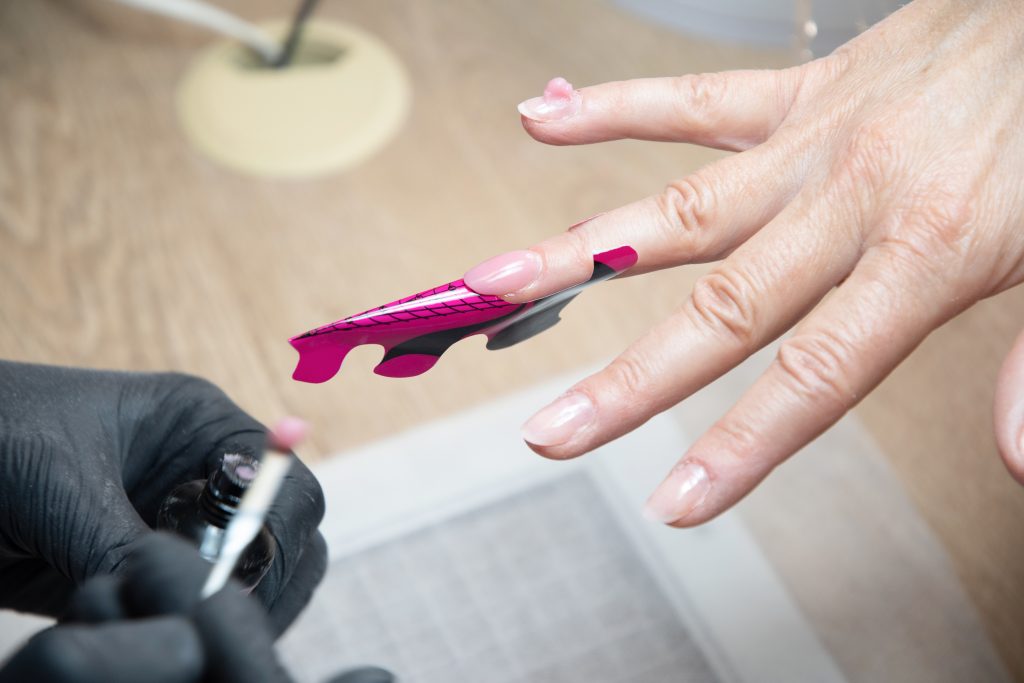
In contrast, Polygel is a newer technology that merges the best qualities of acrylic and gel systems. Packaged in a squeezable tube, Polygel has a paste-like consistency that is easy to mold and shape. After application, it’s cured under a UV or LED lamp to harden into a flexible yet durable layer.
What sets Polygel apart is its lightweight feel and odorless formula. It doesn’t release the same strong chemical smell that’s typical of acrylics, making it a more pleasant experience for both technicians and clients. Moreover, Polygel offers enhanced control during the application process, allowing for a smoother, more customizable sculpting experience.
Because of these benefits, Polygel is quickly becoming the go-to choice for both salon professionals and DIY users. It offers the flexibility of gel with the strength of acrylic—without the harshness.
Polygel vs. Acrylic Extensions
To better understand how these two methods stack up, let’s take a closer look at their key differences in the table below:
| Category | Polygel | Acrylic Extensions |
|---|---|---|
| Application | Applied with brush and slip solution, then cured | Mixed powder and liquid, air-cured |
| Smell | Odorless | Strong chemical odor |
| Durability | Strong yet flexible | Extremely strong but rigid |
| Comfort | Lightweight and gentle on the nail | Heavier and firmer feel |
| Tools Needed | UV/LED lamp, slip solution, brush | Liquid monomer, powder, dappen dish |
| Removal | Filed off or soaked with acetone | Typically soaked off or heavily filed |
| Skill Level | Easier for beginners to work with | Requires experience for best results |
| Damage Risk | Lower risk with proper removal | Higher risk if over-filed or improperly removed |
| Availability | Growing rapidly in salons and kits | Widely available in all salon |
So, Which One Is Right for You?
Now that we’ve broken down the technical differences, let’s talk lifestyle. Polygel vs. Acrylic Extensions isn’t just about formulas—it’s about what works best for you based on your preferences, goals, and nail health.
If you’re someone who prioritizes comfort and ease of application, Polygel could be your ideal match. Its lightweight structure feels natural, and the low-odor application process is a huge bonus if you’re sensitive to chemicals. It’s also more forgiving for beginners, making it a solid option for at-home nail artists.
On the other hand, if you’re aiming for longer-lasting, ultra-durable enhancements, especially for special occasions or heavy-duty wear, acrylic extensions might be the better route. They’re time-tested, strong, and offer the kind of hard protection that’s perfect for those who work with their hands.


Why Polygel Is Dominating the Nail Scene in 2025
There’s no denying that Polygel has taken the spotlight in salons and social media feeds alike. From influencers to celebrity nail artists, the buzz around Polygel nails is everywhere—and for good reason.
- It’s easier on natural nails
- More natural, lighter feel
- Provides salon-level results even for DIY users
- It cures quickly with a lamp, allowing faster work time
- It’s adaptable for use with nail tips, dual forms, or sculpted nails
As more people look for flexible, customizable, and health-conscious nail solutions, Polygel has become the standout trend. Whether you’re crafting intricate nail art or sticking to clean, classic shapes, Polygel delivers stunning results with less effort and more comfort.
No matter which side you land on in the Polygel vs. Acrylic Extensions debate, both methods can give you the beautiful, durable nails you deserve.Beauty Trends
FAQ
What’s the difference in the removal process between Polygel and Acrylic Extensions?
The removal process for both Polygel and Acrylic Extensions varies significantly. Polygel is typically filed off or soaked in acetone for a gentler removal. It’s a bit less harsh on the natural nail. On the other hand, Acrylic Extensions require more filing or soaking in acetone, and improper removal can sometimes cause damage to the natural nail due to the firmer, more rigid structure.
Are Polygel nails more flexible than Acrylic Extensions?
Yes, Polygel is known for its flexibility, which makes it more comfortable and natural-feeling on the nail compared to Acrylic Extensions. Acrylics are very rigid and offer extreme durability, but this comes at the expense of flexibility, which can feel stiff or heavy for some people.
Can Polygel be used for nail art?
Absolutely! Polygel is great for intricate nail art because it has a more moldable consistency. You can sculpt 3D art or use it to create precise designs. While Acrylic Extensions are also excellent for nail art, Polygel offers more control and flexibility, which is particularly beneficial for fine details and designs.
Does Polygel or Acrylic last longer?
Acrylic Extensions are traditionally known for their long-lasting durability. They can last up to 3-4 weeks, depending on how well they are maintained. However, Polygel nails, while slightly less durable in comparison, are still very strong and can last around 2-3 weeks, especially with proper care and maintenance.
Can you use Polygel with natural nails, or does it always require tips?
Polygel is versatile and can be used both on natural nails and over tips. It’s a fantastic option if you have short nails and want to create extensions without relying on traditional tips. Acrylic Extensions, however, typically require tips or forms to achieve length.
How does the cost of Polygel compare to Acrylic Extensions?
The cost of Polygel tends to be slightly higher due to its newer technology, as it requires special tools and products. However, the price difference is often minimal in most salons, and Acrylic Extensions can also vary depending on the salon and the complexity of the application. Overall, Acrylic Extensions are typically more affordable, but Polygel offers value through its ease of use and comfort.