If you’ve ever finished a nail set that looked flawless—only to see lifting appear days later—you’re not alone. Why do nails lift even when the product is high quality and the application seems correct?
The answer is rarely “bad nails” or “bad product.” Nail lifting is almost always the result of bond failure, and bond failure has specific, traceable causes. Once you understand where lifting starts and why, achieving a reliable 4-week bond becomes predictable, not frustrating.
This guide breaks lifting down scientifically, zone by zone, so you can fix the real problem—not just patch the symptoms.
The “Zone” Diagnosis: Where Lifting Starts (and What It Means)
Lifting location is not random. The zone where product separates tells you exactly what went wrong.
Nail Lifting at the Cuticle
This is the most common and most misunderstood type of lifting.
What it usually means:
- Incomplete nail plate preparation
- Remaining pterygium on the nail plate
- Product flooding into the cuticle area
Gel or acrylic cannot bond to skin. Even a microscopic layer will break adhesion. When lifting starts at the cuticle, the issue almost always happened before product application—not after.
Lifting at the Free Edge
When lifting appears at the tip of the nail, impact and sealing are the usual suspects.
Common causes:
- Failure to properly cap the free edge
- Thin or brittle natural nails flexing under pressure
- Repeated mechanical stress (typing, tapping, opening objects)
The free edge absorbs the most daily trauma. Without proper sealing and structure, the bond weakens quickly.
Sidewall Lifting
Sidewall lifting often signals a structural issue.
Typical reasons:
- Over-filing the sidewalls during prep
- Poor apex placement causing imbalance
- Product applied too thin near stress points
Sidewalls need strength, not sharp thinning. Weak structure allows micro-movement, which breaks adhesion over time.
The Invisible Enemy: Pterygium
If nail lifting had a hidden villain, it would be pterygium.
Pterygium is a thin, transparent layer of skin that grows forward from the cuticle and attaches directly to the nail plate. It’s nearly invisible, which is why it’s often missed.
Why it causes lifting:
- Product bonds to skin instead of nail
- Polymerization cannot anchor properly
- Lifting starts silently under the product
Cuticle pushing alone does not remove pterygium. True prep means cleaning the nail plate itself—not just the visible cuticle area. Ignoring this step is the number one cause of lifting, even in experienced hands.
Chemistry & Equipment: Why the Bond Fails
Perfect application still fails if the chemistry or tools are working against you.
Dehydration vs. pH Balancing
These are not interchangeable steps.
- Dehydrators remove moisture and oils from the nail plate
- Primers or pH bonders adjust the nail’s chemistry so product can adhere
Skipping either step creates instability at the molecular level. Adhesion requires both a dry surface and balanced pH.
Under-Curing and Weak Lamps
Under-curing is a silent destroyer of long-lasting sets.
When an LED lamp is old, weak, or incompatible:
- The surface cures
- The middle layer remains soft
- Product slowly pulls away from the nail plate
This incomplete polymerization leads to lifting that appears days later—often blamed on prep when curing is the real issue.
E-File Vibration Damage
A poorly maintained or unbalanced e-file can cause lifting during the service.
High vibration creates micro-shocks that:
- Fracture the adhesion layer
- Damage the nail plate surface
- Compromise the bond before product is even applied
Smooth, controlled filing matters as much as product choice.
The 5-Step “Anti-Lift” Prep Checklist
Follow this routine consistently to prevent lifting before it starts.
- Cleanse the nail plate thoroughly and remove all pterygium
- Refine the surface gently—etch, don’t over-buff
- Dehydrate completely, then apply the correct pH bonder or primer
- Build proper structure, paying attention to apex and stress zones
- Cure fully using a lamp compatible with your product system
Skipping steps doesn’t save time—it creates callbacks.
Maintenance & Lifestyle Factors That Weaken the Bond
Even perfect prep can’t survive daily abuse.
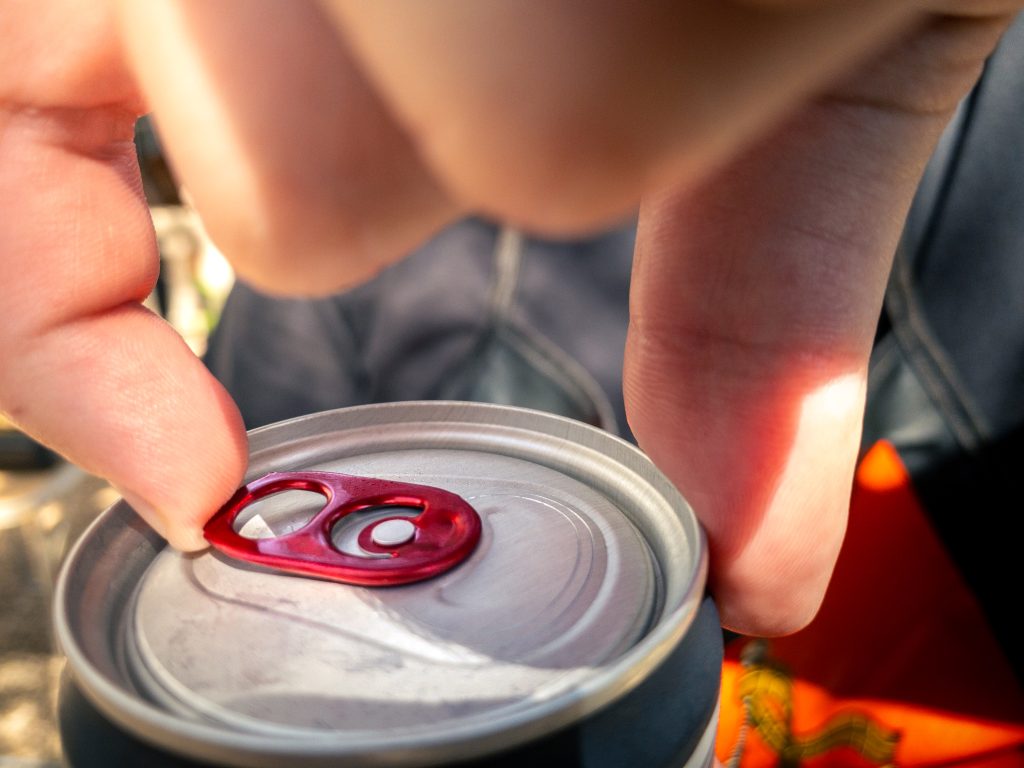
- Using nails as tools causes repeated impact
- Frequent hot water exposure expands the nail plate
- Sudden temperature changes stress the adhesion layers
Education matters. Longevity is a partnership between prep, product, and lifestyle.
FAQs
Why do acrylic nails lift faster than gel?
Acrylic relies heavily on correct prep and mix ratio. Over-filing or an incorrect liquid-to-powder balance weakens adhesion and causes early lifting.
Can over-buffing the nail plate cause lifting?
Yes. Over-buffing thins the nail plate, reducing its ability to hold product securely.
Why does nail lifting happen more in cold weather?
Cold temperatures reduce flexibility, and frequent temperature changes stress the adhesion layer.
Does nail shape affect lifting?
Yes. Long square or coffin shapes place more stress on sidewalls and the free edge without proper apex support.
Can oily nail beds cause lifting?
Yes, if dehydration and pH balancing are skipped. Proper prep allows oily nails to retain product well.
Why do nails lift on only one hand?
The dominant hand experiences more impact and daily stress, weakening the bond faster.
Is nail lifting a sign of an allergic reaction?
No. Lifting is usually mechanical or chemical bond failure, not an allergy.