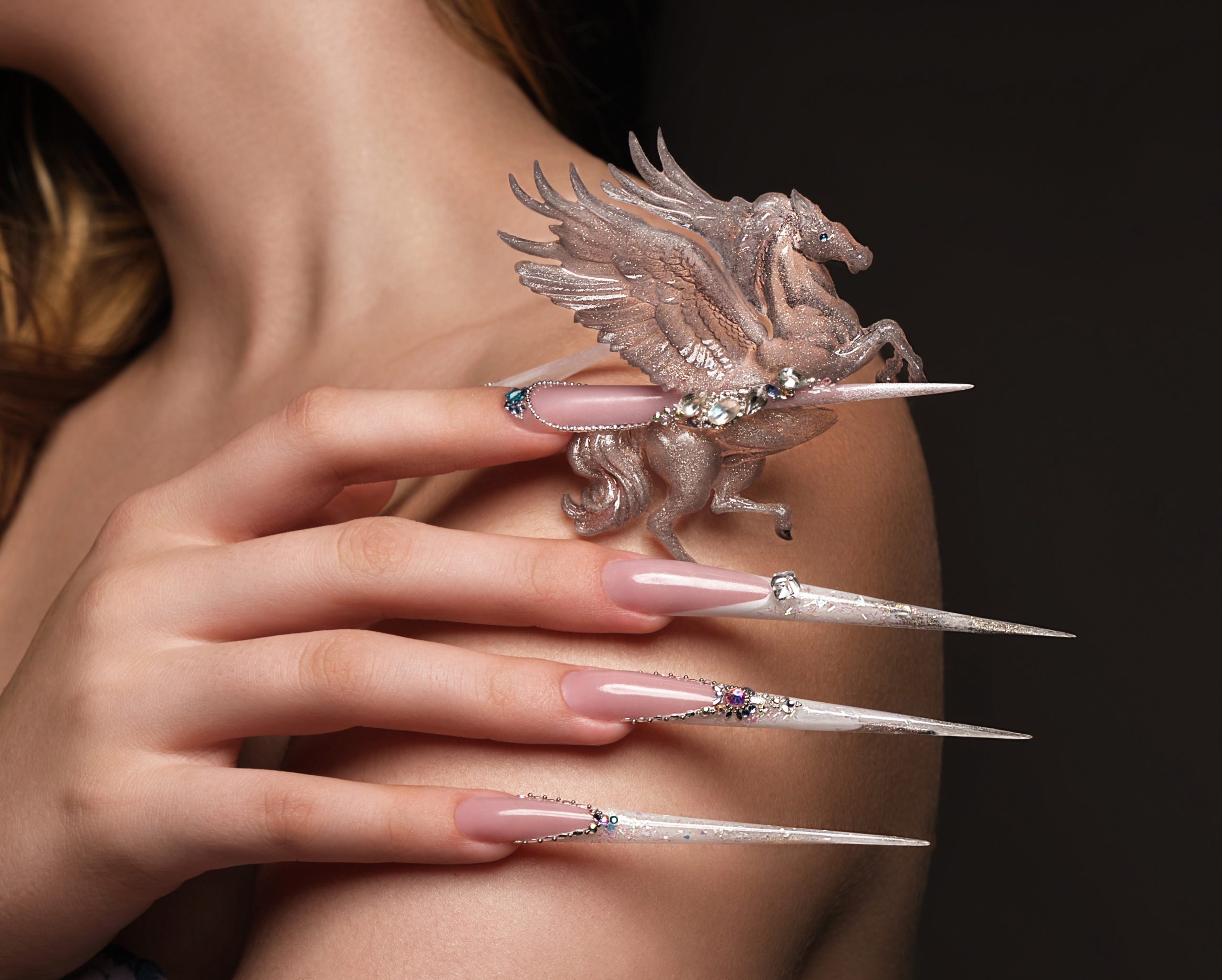
Acrylic nails have been redefining beauty routines for decades.
Whether you’re after longer nails, durable extensions, or an artistic canvas for your favorite nail designs, acrylics offer endless creative possibilities. Yet, before sitting down at the salon table, it’s essential to understand how acrylic nails work, how they’re applied, and what you should expect from your first appointment.
What Exactly Are Acrylic Nails?
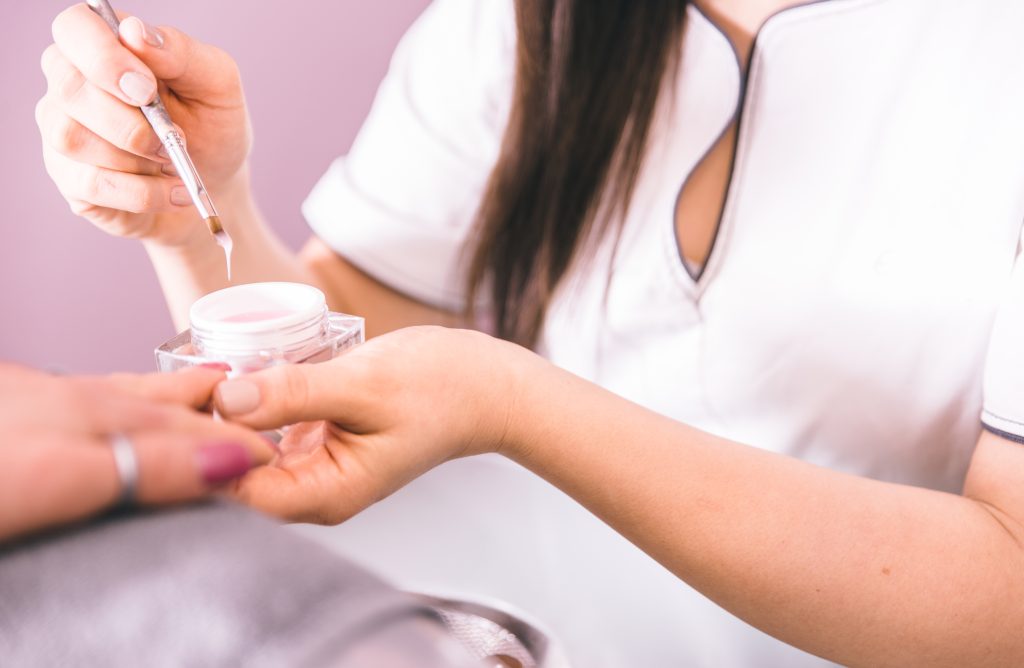
Acrylic nails are a combination of liquid monomer and acrylic polymer powder. When mixed, these two components create a soft paste that hardens into a solid, durable layer over your natural nail or on top of a nail extension tip. This material forms a sturdy surface that can be shaped, filed, and decorated according to your taste.
Unlike gel nails — which are cured under UV or LED light — acrylics air-dry naturally, creating a tough finish that resists chipping and breakage. That durability makes them ideal for anyone who wants length and longevity.
Fun fact: Acrylic nail technology originated in the 1950s when a dentist accidentally discovered that dental acrylic could mimic the appearance of nails!
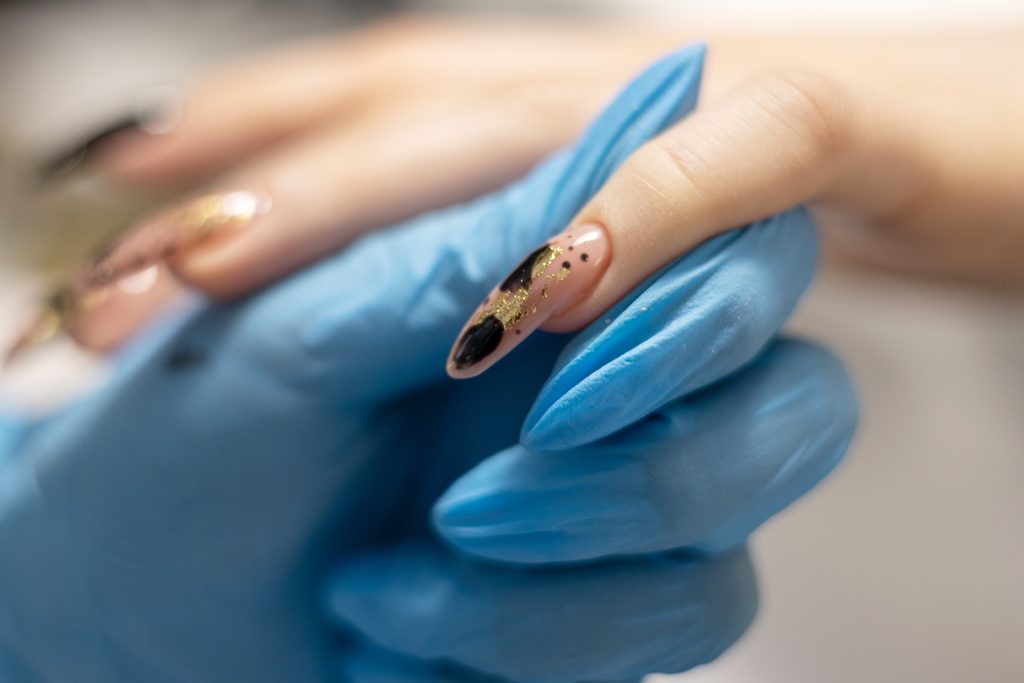
Step-by-Step: How Acrylic Nails Are Applied
The process of getting your first set of Acrylic Nails usually takes between 1.5 to 2.5 hours, depending on the length, shape, and complexity of the design.
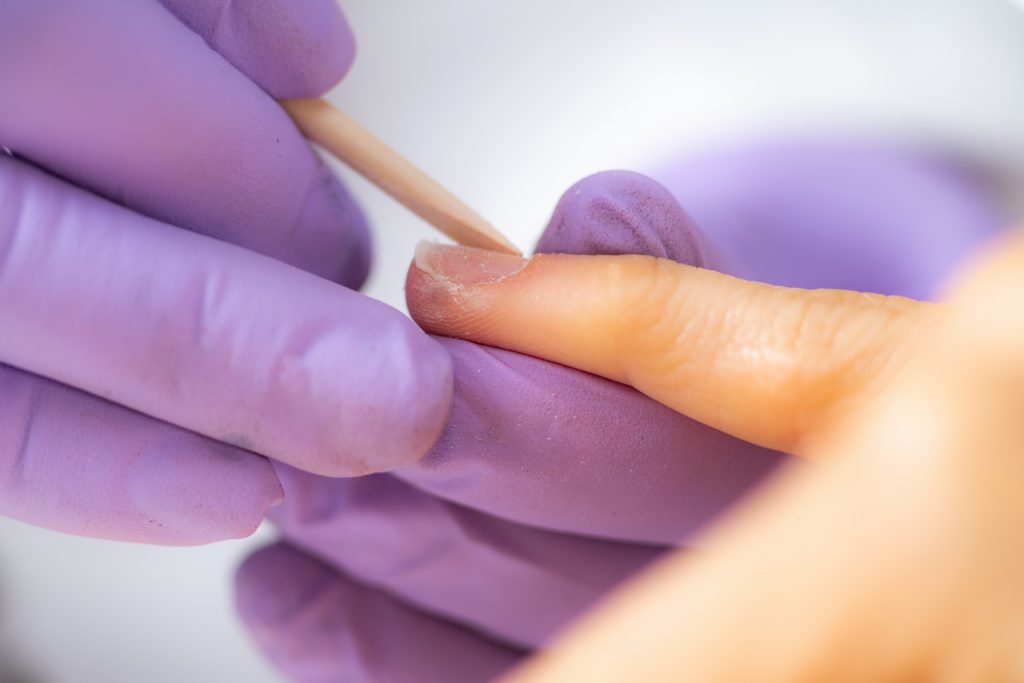
1. Preparation
First, your nail technician will perform a clean, dry manicure, which involves pushing back and trimming your cuticles and gently filing the surface of your natural nail. This critical step ensures the acrylic adheres properly and prevents lifting.
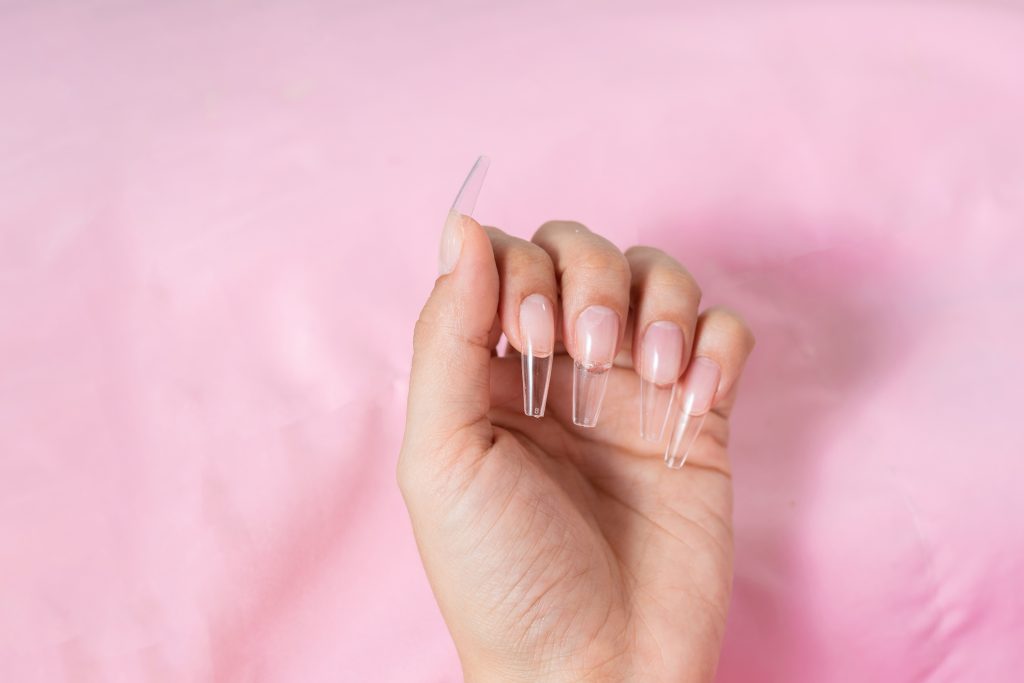
2. Applying Nail Tips
Next, if you’re adding length, a plastic tip is glued to the end of your natural nail, or a nail form (a sticker-like guide) is placed underneath your free edge.
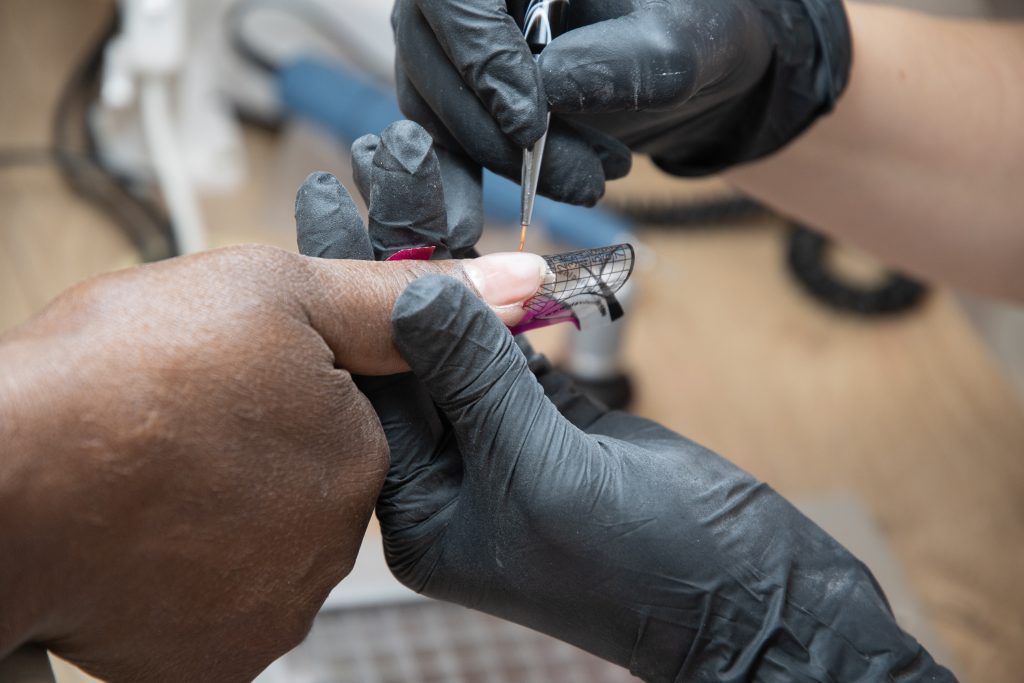
3. Mixing and Sculpting
The technician creates the acrylic by dipping the brush into the liquid monomer and then the acrylic powder. This bead is expertly placed and patted onto your nail, typically using the 3-bead method to build a strong, seamless structure.
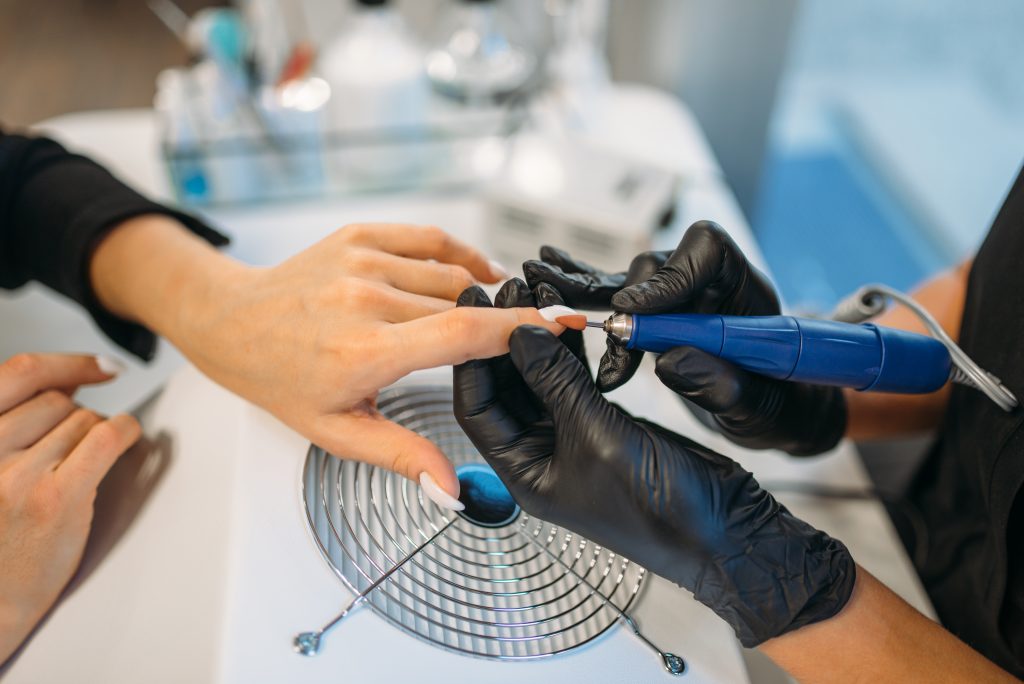
4. Filing and Polishing
Following this, the acrylic is shaped and refined with an e-file (electric file) and hand file. This ensures the correct structure, known as the apex (the stress point of the nail), is perfectly placed for strength.
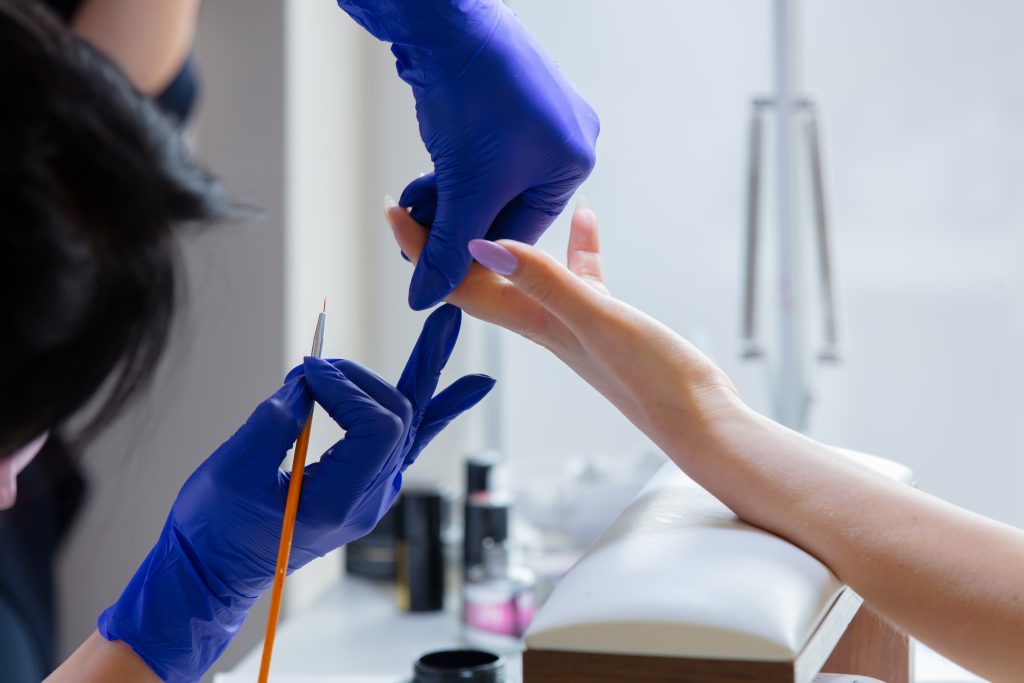
5. Design and Topcoat
Finally, polish, designs, and topcoat are applied and cured under a UV or LED lamp (if it’s a gel topcoat), and a little cuticle oil finishes the service.
Acrylic Nail Designs to Try in 2025
One of the greatest perks of Acrylic Nails is their versatility! Whether you prefer a clean look or a high-impact design, acrylics are the perfect canvas.
- Classic & Clean: A sheer pink and white is a timeless choice, often used for a classic French Manicure.
- The Full Color: Acrylic powder comes in hundreds of colors, allowing your nail to be the color itself.
- Encapsulation: This is where glitter, dried flowers, foils, or other small decorations are embedded inside the acrylic layer, creating a smooth finish that won’t chip.
- Ombre/Gradient: Two or more colors of acrylic powder are blended together on the nail, creating a beautiful fade.
For a first set, choose something simple — then experiment with bolder looks as you get comfortable.
Choosing the Best Nail Shape for You
The shape of your Acrylic Nails dramatically changes their overall appearance. When choosing, consider your lifestyle and the length of your fingers.
| Nail Shape | Best For | Look & Feel |
| Square | Short to medium length. | Strong, classic, with a straight edge. Ideal for those who use their hands a lot. |
| Squoval | Anyone looking for a softer square. | A square shape with rounded edges. Highly durable and universally flattering. |
| Round | Short nails; mimics the natural nail shape. | Simple, natural, and low-maintenance. |
| Oval | Medium length; slims the fingers. | Elegant, slightly more tapered than round, but with a soft tip. |
| Almond | Medium to long length; slims and elongates fingers. | Tapered sides that end in a soft point. Very popular for a feminine look. |
| Coffin/Ballerina | Long length. | Tapered sides that end in a blunt, squared-off tip. Bold and dramatic. |
| Stiletto | Long, dramatic length. | A sharply tapered point. High-glam but requires careful handling. |
What to Expect at Your First Acrylic Nail Appointment
The first appointment can feel exciting, but a few insider tips make it easier:
- Removal takes time. Never pull or snap off acrylics; they should be soaked in acetone to avoid damage.
- It may smell strong. Acrylic liquid (monomer) has a noticeable scent, which is completely normal.
- Slight tightness is expected. After application, your nails may feel firm — that’s the product setting.
- Expect some filing noise. The electric file shapes acrylic smoothly but can feel strange at first.
- Refills are essential. After 2–3 weeks, a small gap appears near your cuticle — that’s new nail growth. A fill-in keeps your set looking fresh.
Acrylic Nails vs. Gel Nails – Which One Is Better?
While both look stunning, there are key differences:
| Feature | Acrylic Nails | Gel Nails |
|---|---|---|
| Drying Method | Air-dried | Cured under UV/LED |
| Durability | Stronger and thicker | More flexible |
| Appearance | Slightly matte unless top-coated | Naturally glossy |
| Removal | Soaked in acetone | Soaked or filed off |
| Best For | Long-lasting wear and extensions | Natural, glossy finish |
If you prefer strength and sculpted shapes, acrylic nails are the way to go. If you want flexibility and a natural shine, gel nails might suit you better.
Potential Risks and How to Avoid Them
When applied by a trained professional, acrylic nails are safe. However, poor application or removal can cause:
- Thinning of the natural nail plate
- Lifting or fungal infections (if moisture gets trapped)
- Skin irritation from low-quality products
Always choose a licensed nail technician who sanitizes tools and uses reputable acrylic brands. Avoid home removal or filing without proper knowledge.
Cost of Acrylic Nails
Prices vary depending on where you live and what style you choose. On average:
- Full Set: $40 – $80
- Refills: $30 – $50
- Custom Designs or Art: +$10–$30
Premium salons may charge more for quality products, advanced shaping, or intricate nail art — but it’s usually worth it for better durability and safety.
FAQ
What should I do if my acrylic nail breaks?
Do not try to fix it yourself with superglue! This can trap moisture and lead to an infection. Cover the break with a plaster and visit your salon as soon as possible for a professional repair.
Do acrylic nails hurt?
They shouldn’t. You might feel mild pressure at first, but discomfort usually means the acrylic is too thick or applied incorrectly.
How often should I get acrylic nail refills?
Most people need a refill every two to three weeks, depending on how fast their natural nails grow. Regular fills prevent lifting, cracking, and breakage while keeping your set looking fresh. Delaying maintenance can cause acrylics to lift and trap moisture.
How long do acrylic nails last?
Acrylic nails generally last between 2 to 3 weeks before needing a refill. With proper care — such as avoiding harsh chemicals, wearing gloves when cleaning, and applying cuticle oil regularly — they can stay beautiful for up to a month. The longevity depends on your nail growth rate, lifestyle, and how well they were applied.
Can acrylic nails damage your natural nails?
When applied and removed correctly by a trained nail technician, acrylic nails do not damage your natural nails. Damage usually happens from improper removal, such as peeling or prying off the acrylic instead of soaking it in acetone. Regular breaks between sets and using nourishing nail oils help keep your natural nails healthy and strong.
What’s the difference between acrylic powder and dip powder?
While both create long-lasting manicures, the application process and texture differ.
- Acrylic nails use a liquid monomer and powder polymer, which are mixed and sculpted directly on the nail before air-drying.
- Dip powder systems (also called nail dipping systems) involve dipping the nail into colored powder and sealing it with an activator — no liquid monomer or sculpting needed.
Acrylics are better for custom shapes and extensions, while dip powders are ideal for faster, low-odor manicures with a natural finish.