

Using black facial masks at home has become a popular way to keep skin clean, fresh, and glowing without visiting a spa or salon.
If you’re looking to reduce blackheads, unclog pores, or simply refresh your skin, a black facial mask can be an excellent addition to your weekly skincare routine. In this guide, we’ll cover everything you need to know about black facial masks—from how they work and their benefits to easy step-by-step instructions and product recommendations that you can try from the comfort of your home.
What Exactly Is a Black Facial Mask?
First and foremost, a Black Facial Mask typically contains activated charcoal or black mud, both renowned for their ability to absorb toxins and impurities. Activated charcoal is a fine, highly porous substance that binds with dirt and oils trapped deep inside your pores, making it excellent for deep cleansing.
Moreover, using these masks at home allows you to enjoy professional-grade cleansing and exfoliation without the expense or time commitment of salon treatments. Unlike some harsh skincare methods, black masks can be both gentle and effective, making them suitable for various skin types when used correctly. Consequently, applying a black facial mask at home provides you with full control over your skincare routine—allowing you to adjust the frequency and type of mask according to your skin’s specific needs.
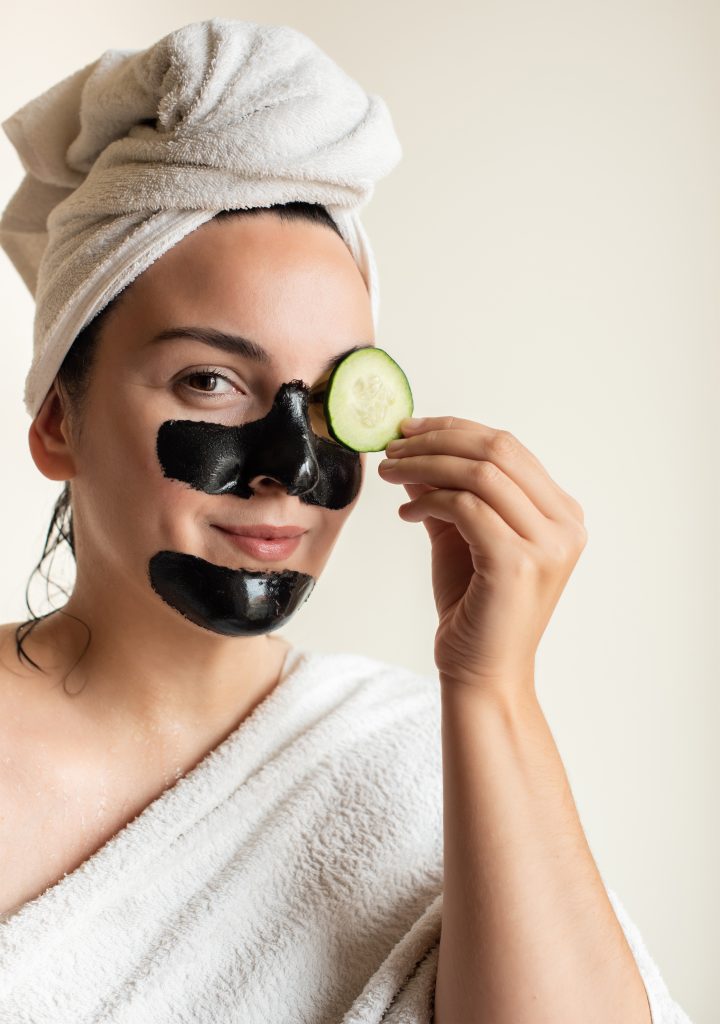
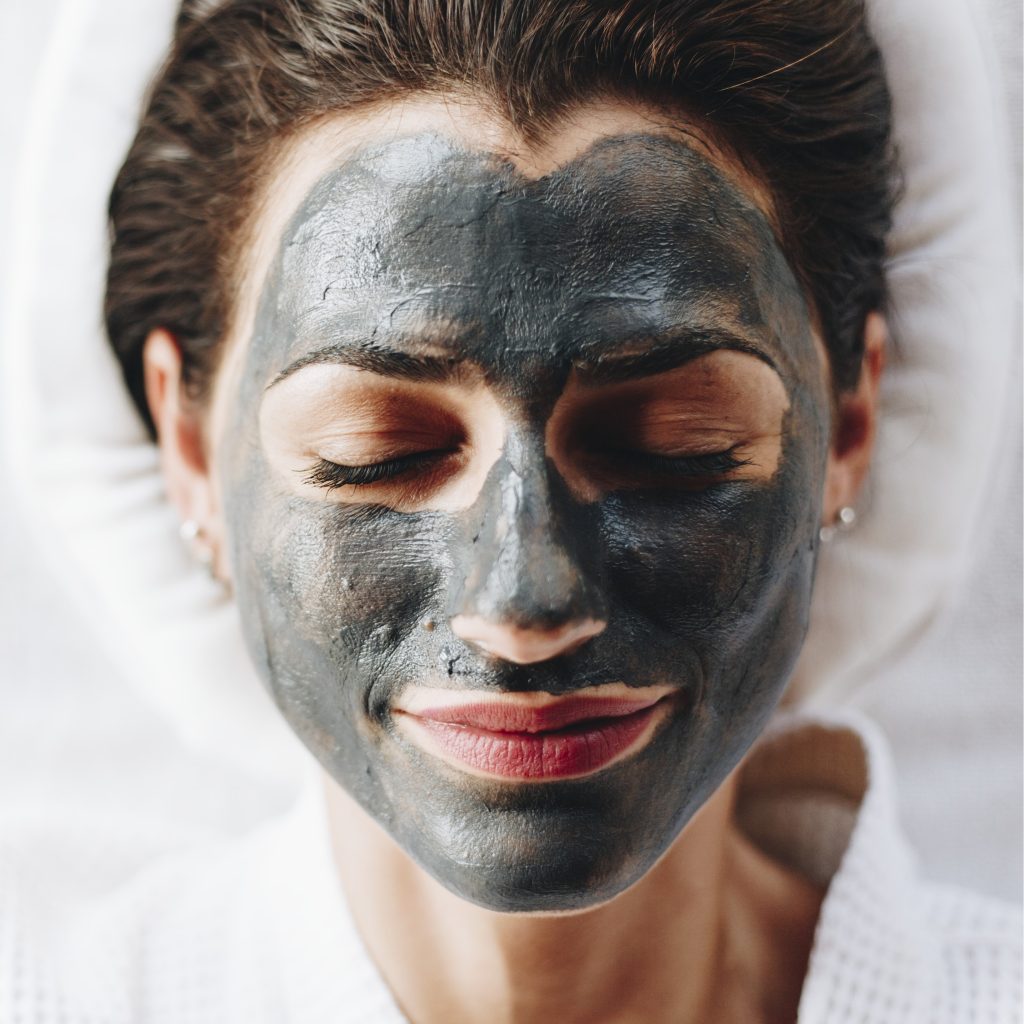
How Does a Black Facial Mask Work?
The effectiveness of black facial masks lies in the powerful adsorptive properties of activated charcoal. When applied, the charcoal acts like a magnet, attracting and binding dirt, oil, toxins, and other pollutants from the skin’s surface and pores. As the mask dries, it gently exfoliates by loosening dead skin cells, revealing brighter and smoother skin beneath.
Furthermore, the physical removal process—whether peeling off the mask or rinsing it away—helps clear trapped impurities that regular cleansing often misses. Additionally, many black masks contain supplementary ingredients such as salicylic acid or clay, which work synergistically to combat acne-causing bacteria and soothe skin inflammation.
Benefits of Using These Masks at Home
Incorporating a black facial mask into your home skincare regimen offers multiple benefits, especially when used consistently:
- Deep Pore Cleansing: Black masks reach deep inside pores to extract blackheads, excess sebum, and dirt, thereby preventing future breakouts.
- Oil Control: By removing surplus oil, black masks help balance oily or combination skin, reducing shine and clogged pores.
- Improved Skin Texture: Their exfoliating action smooths rough patches and minimizes the appearance of enlarged pores.
- Detoxification: Activated charcoal draws out environmental pollutants, which is particularly beneficial for city dwellers exposed to pollution.
- Radiant Complexion: Clearing impurities and dead skin cells enhances light reflection, imparting a natural glow to the skin.
- Enhanced Skincare Absorption: After using the mask, your skin can better absorb moisturizers and serums, maximizing their effectiveness.
Therefore, black facial masks not only cleanse but also prepare your skin for the next steps in your skincare routine.

Types of Black Facial Masks and Their Suitability for Home Use
Choosing the right black facial mask depends on your skin type and the mask’s formulation. Below is a detailed comparison of the main types, which will help you decide which option suits you best:
| Mask Type | Description | Best For | Application Tips |
|---|---|---|---|
| Peel-Off Masks | Form a thin film on skin and peel away dead cells and impurities | Oily, blackhead-prone, combination | Peel gently to avoid irritation; avoid sensitive or dry skin |
| Mud Masks | Thick texture, rinsed off after drying; often enriched with minerals | Normal to dry skin | Apply evenly, leave to dry but avoid over-drying |
| Sheet Masks | Fabric soaked with activated charcoal serum for hydration and detox | Sensitive, dry, or irritated skin | Use once or twice a week for gentle detox and hydration |
| Clay Masks | Combine natural clays and charcoal to absorb oils and impurities | Combination or oily skin | Apply a thin layer; remove before over-drying |
As you can see, each type offers unique benefits and can be selected based on your skin’s needs and personal preferences for application and removal.
How To Use Black Facial Masks
To achieve the best results without irritating your skin, it is important to use black facial masks correctly. Follow these steps for an effective at-home treatment:
- Prepare Your Skin: Begin with a gentle cleanser to remove makeup, oils, and surface dirt. This step prepares your skin for deeper cleansing.
- Open Your Pores (Optional): For enhanced effectiveness, use a warm towel or steam your face for 3-5 minutes to open pores, allowing the mask to penetrate more deeply.
- Apply the Mask: Using clean fingers or a brush, apply an even layer to your face, concentrating on areas prone to blackheads or oiliness (typically the nose, chin, and forehead). Be sure to avoid the eye area and lips.
- Allow to Dry: Leave the mask on for 15-20 minutes, or as directed by the product instructions. Peel-off masks will harden and tighten; mud masks will dry to a matte finish.
- Remove the Mask: Peel gently if it is a peel-off type, starting from the edges. For mud or clay masks, rinse with lukewarm water using gentle circular motions.
- Pat Dry: Use a clean towel to gently pat your skin dry.
- Moisturize: Finish with a light, hydrating moisturizer to restore moisture and soothe your skin.
Keep in mind that using black facial masks 1-2 times per week is ideal to avoid over-drying or irritation.
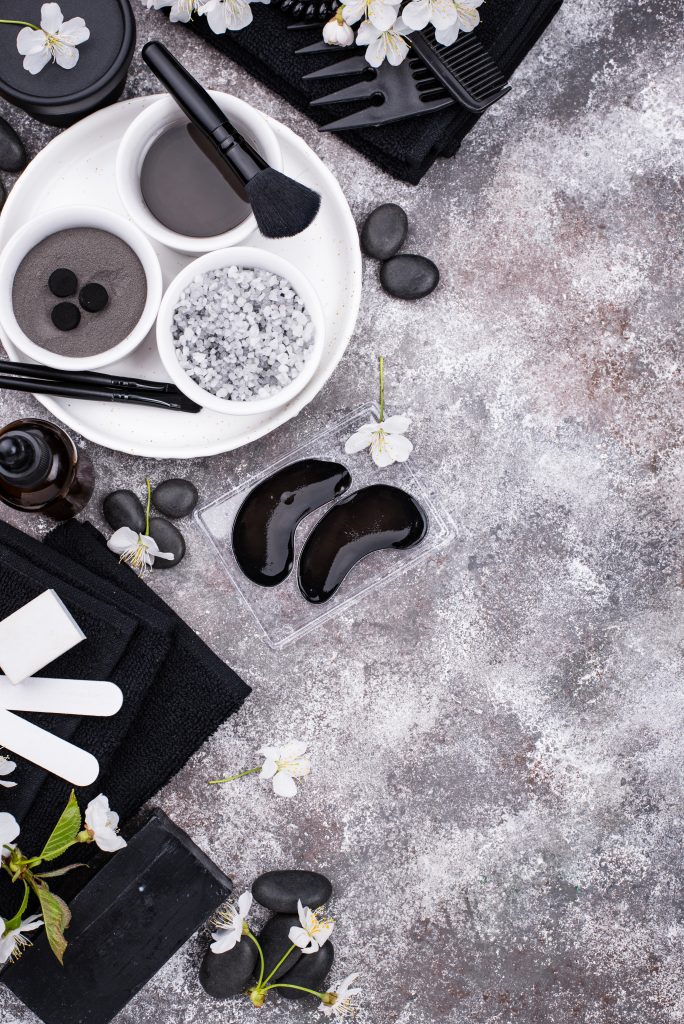
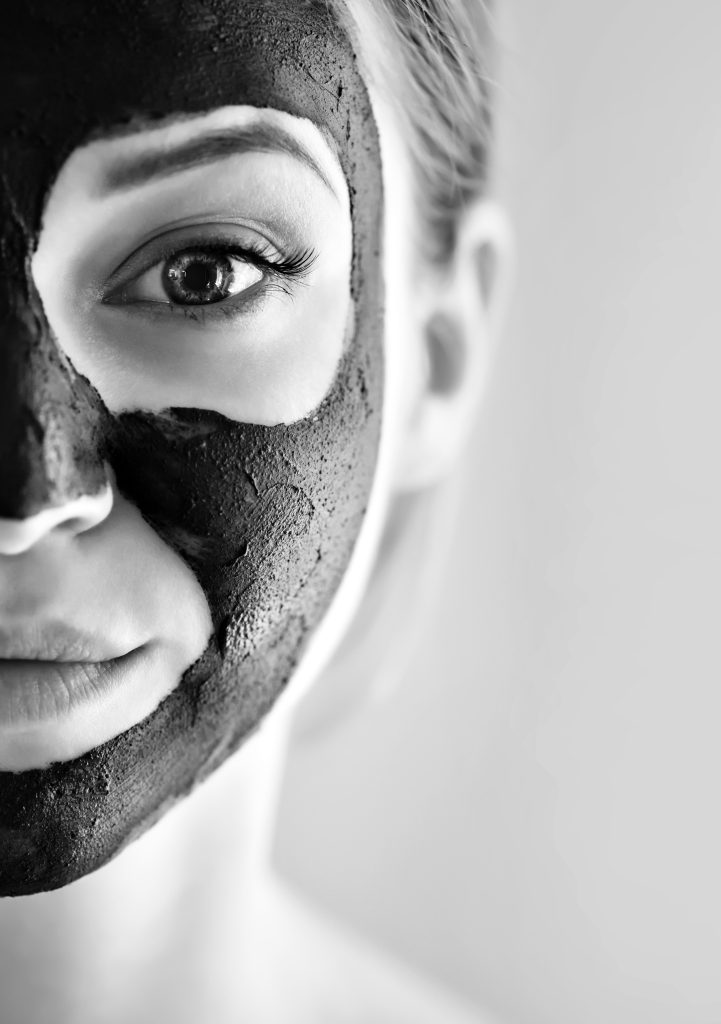
Important Safety Tips for Home Users
While black facial masks are generally safe, certain precautions can help you avoid irritation or adverse reactions:
- Perform a Patch Test: Always test the mask on a small patch of skin (e.g., inside your wrist or behind your ear) 24 hours before full application to check for allergic reactions.
- Avoid Sensitive Areas: Never apply the mask on broken, irritated, or inflamed skin, as this can exacerbate sensitivity.
- Choose the Right Formula: If you have sensitive or dry skin, opt for gentler sheet or mud masks rather than peel-off masks, which can be harsh.
- Follow Instructions Carefully: Do not leave the mask on longer than recommended to prevent excessive dryness or redness.
- Moisturize After Use: Masks can strip natural oils, so applying moisturizer afterward helps maintain your skin’s barrier.
By following these precautions, you can safely enjoy the benefits of black facial masks.
Popular Black Facial Masks for At-Home Use
Here are some recommended black facial masks that combine effectiveness with ease of use—perfect for your home routine:
| Product Name | Key Features | Skin Type Compatibility |
|---|---|---|
| Bodydrench Detox Black Charcoal Face Mask | Magnetic removal for deep cleansing | All skin types |
| Hollywood Style Charcoal Black Peel Off Mask | Antioxidants, peel-off formula | Oily, combination |
| Bodydrench The Black Mask Pore Refining | Peel-off, activated charcoal, tightens pores | Oily, combination |
| Hollywood Charcoal Black Mud Mask | Charcoal + salicylic acid, detoxifying | All skin types |
When selecting a product, consider your skin type and preferred mask texture—whether peel-off, mud, or sheet—for the best experience.
FAQ
Can I use black facial masks every day?
No, 1-2 times per week is sufficient. Overuse can lead to dryness or irritation.
Are black facial masks safe for sensitive skin?
Some are, especially gentle sheet masks or mud masks. Avoid peel-off masks if you have sensitive skin.
Do black facial masks help with acne?
Yes, by unclogging pores and reducing excess oil, they can assist in managing acne but should be part of a broader acne treatment plan.
Can men use black facial masks?
Absolutely! Black facial masks work well for all genders and skin types.
How long should I leave a black facial mask on?
Typically 15-20 minutes, but always follow the product’s instructions to avoid skin irritation.