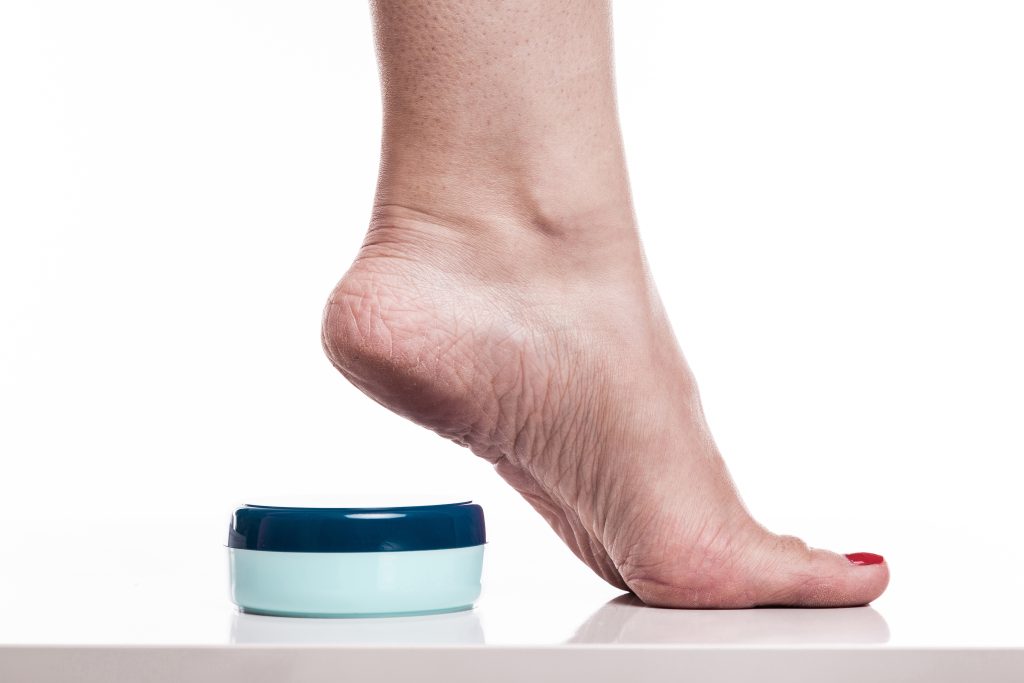
Cracked heels are a common problem that can make your feet feel dry, rough and even painful.
Whether they’re caused by dehydration, pressure, or neglect, these stubborn cracks won’t go away on their own. But don’t worry—getting soft, smooth heels is easier than you think! With the right care, including deep hydration, gentle exfoliation, and protective treatments, you can heal cracked heels and keep them from coming back. Let’s dive into the best ways to restore your feet and keep them healthy.
Why Do Cracked Heels Happen?
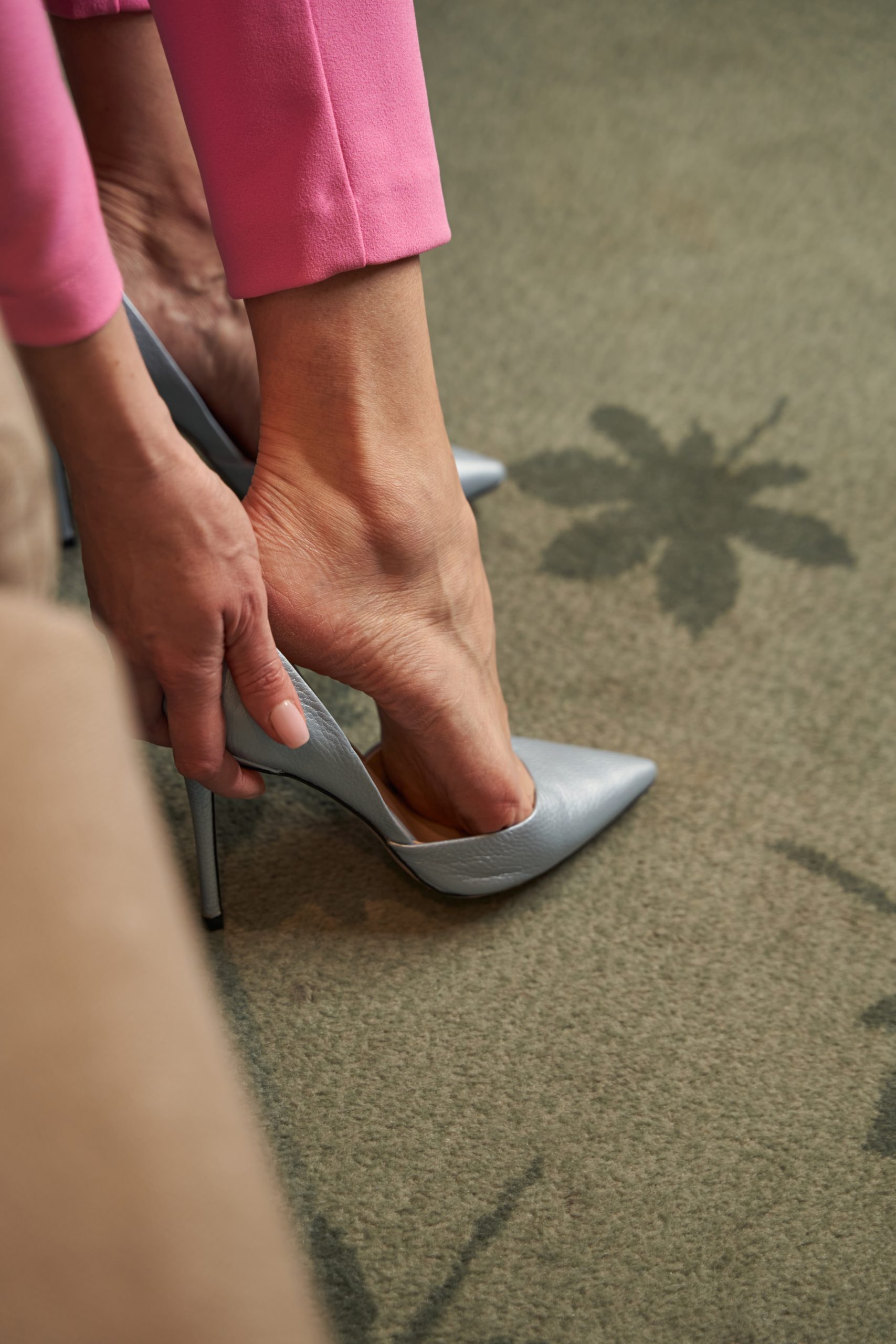
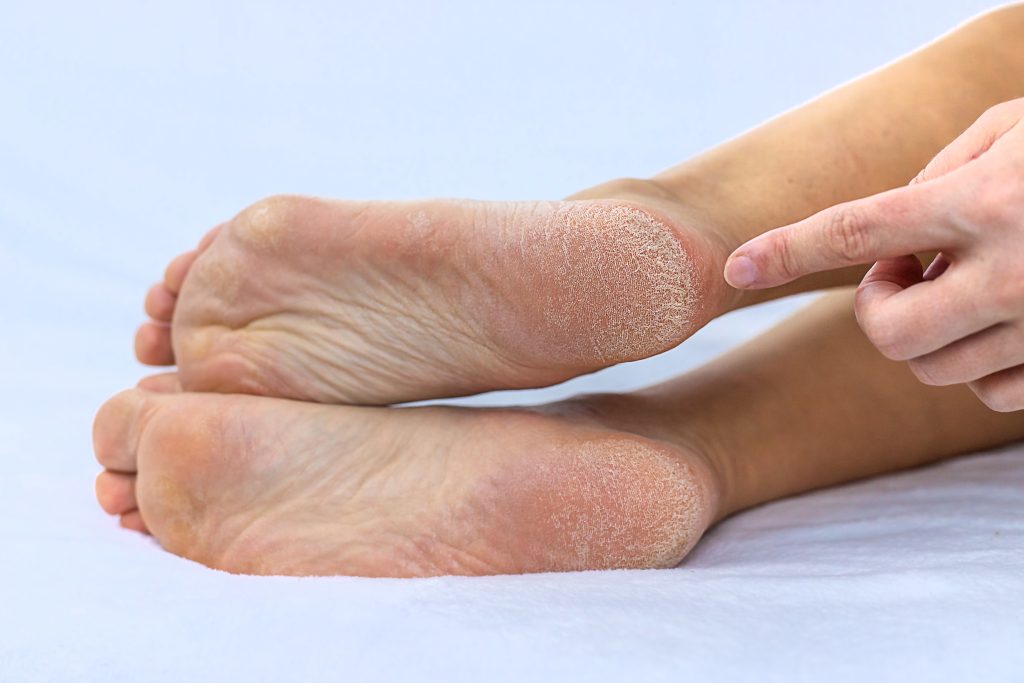
Cracked heels develop for several reasons, but dryness is one of the most common culprits. When the skin on your heels lacks moisture, it loses elasticity, making it more prone to roughness and splitting. Over time, factors like prolonged standing, walking barefoot, or wearing open-back shoes put excessive pressure on the heels, causing the skin to harden and crack. Additionally, neglecting proper foot care—such as skipping exfoliation and hydration—leads to a buildup of dead skin, making the problem worse. Aging, medical conditions like diabetes or eczema, and exposure to harsh weather can further contribute to heel cracking. Fortunately, by identifying the root causes, you can take the right steps to heal and prevent cracked heels effectively.
Best Treatments for Cracked Heels
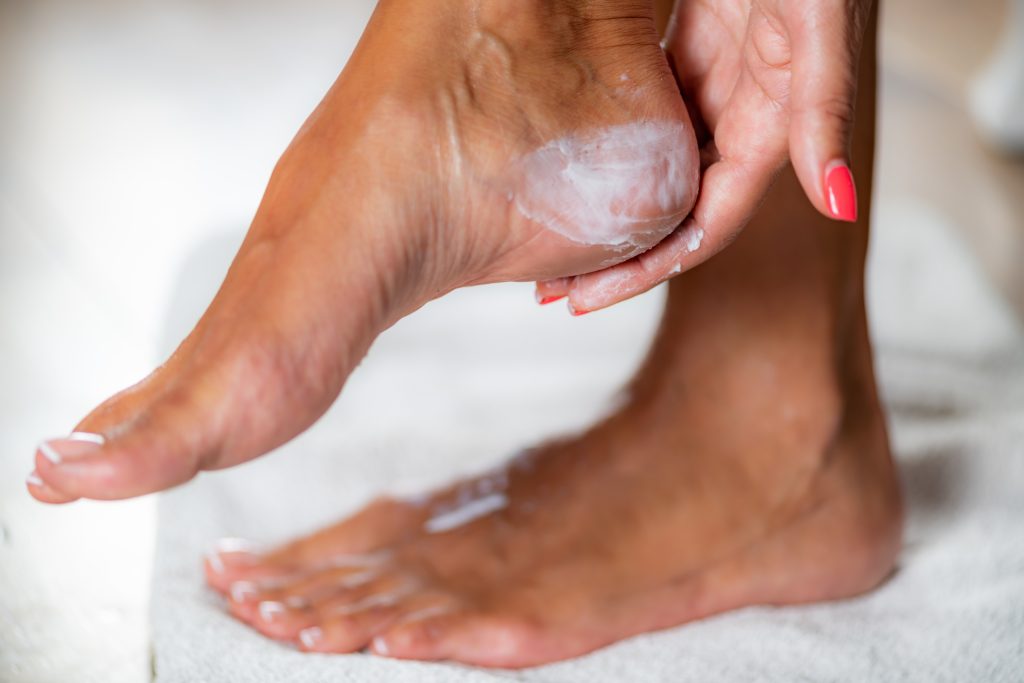
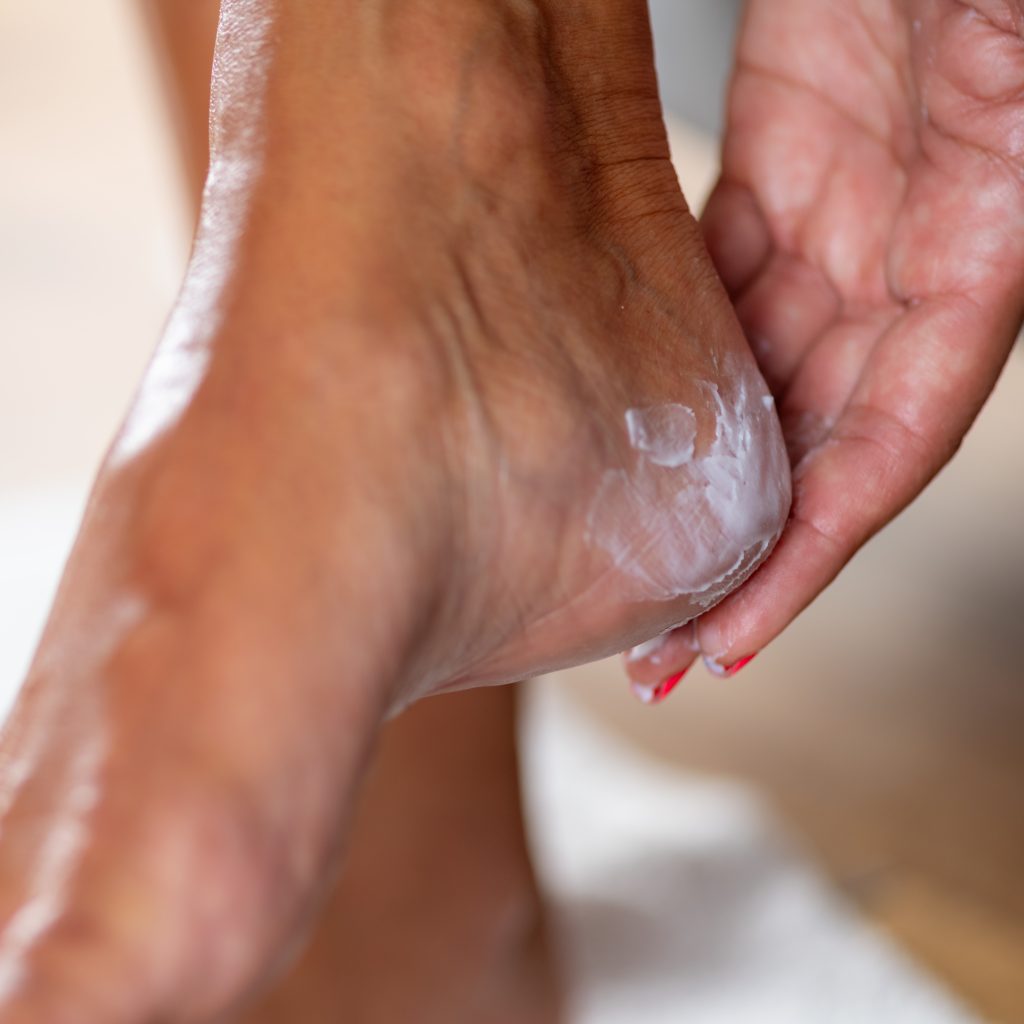
Treating cracked heels starts with deep hydration and proper exfoliation to restore smooth, healthy skin. A rich foot cream containing ingredients like urea, shea butter, or hyaluronic acid helps to lock in moisture and soften rough patches. For best results, apply the cream before bed and wear cotton socks overnight to enhance absorption.
In addition to moisturizing, foot soaks can work wonders by softening thick, dry skin. Soaking your feet in warm water with Epsom salt, honey, or a gentle cleanser for 10–15 minutes helps loosen dead skin, making it easier to remove. Following up with a foot scrub or pumice stone gently sloughs away dry patches, preventing deep cracks from forming.
For severely cracked heels, intensive foot masks and overnight heel balms provide deeper nourishment. Some formulas contain healing ag1ents like salicylic acid or lanolin, which help repair and protect damaged skin. Consistency is key—by following a regular foot care routine, you can heal cracked heels and keep them from coming back.
Best Products for Cracked Heels
Restoring soft, smooth heels requires the perfect balance of hydration, exfoliation, and targeted treatments. From nourishing foot creams to deep-conditioning masques, these highly effective products help repair cracked heels and prevent future dryness. Here are some top picks available on the market:
- Hydrating Foot Creams & Butters: Brands like Footlogix, Gehwol and BCL Spa Organics offer intensive foot creams and butters designed to deeply nourish dry, cracked heels. Look for formulas with urea, shea butter, or natural oils for long-lasting hydration.
- Foot Soaks & Masques: A Pedicure Manicure Soak from Voesh or Avrybeauty helps soften dry skin, while a Pedicure Manicure Masque provides intense moisture to repair cracks.
- Exfoliating Scrubs & Foot Files: A Pedicure Manicure Scrub or Foot File helps remove dead skin buildup, making it easier for moisturizers to absorb. Podo Disks and Stickers can also be used for deeper exfoliation.
- Cuticle & Callus Softeners: Products like a Cuticle Callus Softener Remover help break down tough, thickened skin, making it easier to smooth out cracks.
- Paraffin Wax Treatments: A Paraffin Wax treatment from White Egret or Pedi Sox locks in moisture, leaving heels incredibly soft.
Natural Remedies for Cracked Heels
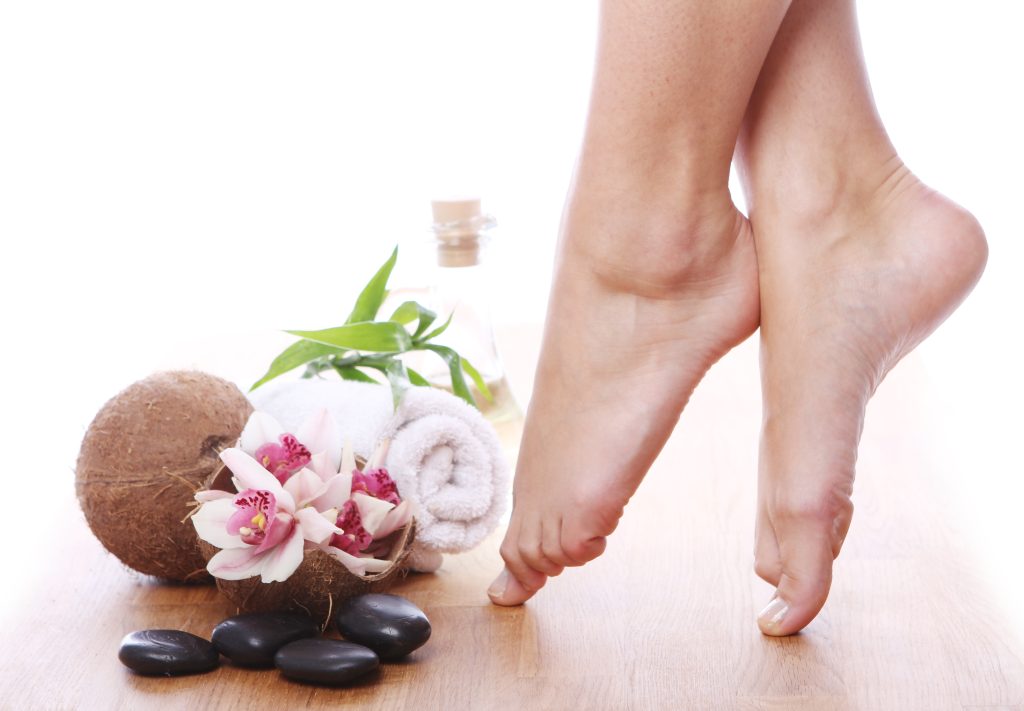
If you’re looking for simple yet effective ways to heal cracked heels at home, natural ingredients can work wonders. Coconut oil and shea butter are excellent for deep hydration, as they penetrate the skin and lock in moisture overnight. Similarly, honey acts as a natural humectant, drawing moisture into the skin while also providing antibacterial benefits to prevent infections.
For gentle exfoliation, a sugar and olive oil scrub helps remove dead skin, making your heels feel smoother and softer. If your heels need extra nourishment, a banana and avocado foot mask is a great option, as both ingredients are rich in vitamins and natural oils that promote healing. To maximize results, start by soaking your feet in warm water to soften the skin, then apply your chosen remedy. For deeper absorption, wear cotton socks overnight, allowing the ingredients to work while you sleep.
Daily Tips to Prevent Cracked Heels
Keeping your heels soft and crack-free requires consistent care. Follow these simple daily habits to maintain smooth, healthy feet:
- Moisturize Daily – Apply a rich foot cream or butter, especially before bed, to keep your heels hydrated.
- Exfoliate Regularly – Use a foot scrub or pumice stone 2–3 times a week to remove dead skin and prevent buildup.
- Wear Supportive Footwear – Avoid open-back shoes and opt for cushioned, well-fitted footwear to reduce pressure on your heels.
- Stay Hydrated – Drinking enough water keeps your skin from becoming dry and cracked.
- Use Socks Overnight – Wearing cotton socks after applying moisturizer helps lock in hydration and repair dry skin.
- Soak Your Feet Weekly – A warm foot soak softens rough skin, making exfoliation more effective.
- Protect Your Feet – Avoid walking barefoot on hard surfaces to prevent excessive dryness and pressure.
- Maintain a Healthy Diet – Eating foods rich in vitamins A, C, and E promotes skin health and hydration.


When Cracked Heels Need Medical Attention
Most cases of cracked heels can be treated with proper care, but sometimes, professional help is necessary. If your heels are deeply cracked, bleeding, or extremely painful, it may be a sign that home remedies aren’t enough. Likewise, redness, swelling, or signs of infection—such as warmth or pus—shouldn’t be ignored. For those with diabetes or circulation issues, even small cracks can lead to serious complications, making it crucial to seek medical advice early. A podiatrist can offer advanced treatments, including prescription-strength creams or professional exfoliation, to speed up healing and prevent further damage. If your heels aren’t improving despite regular care, don’t wait—getting the right treatment can help restore comfort and keep your feet healthy.
FAQ
How can I heal cracked heels fast?
For quick relief, soak your feet, exfoliate with a foot scrub or pumice stone and apply a thick moisturizer or heel balm. Wearing socks overnight after moisturizing helps lock in hydration for faster healing.
What’s the best cream for cracked heels?
Look for foot creams with urea, shea butter, coconut oil or salicylic acid, as they deeply hydrate and repair the skin. Brands like Footlogix, Gehwol and BCL Spa Organics offer great options for heel care.
Why do my heels crack even when I moisturize?
If your heels continue to crack despite moisturizing, you may need better exfoliation, a stronger foot cream, or protective footwear. Underlying health conditions, like thyroid problems or diabetes, could also be a factor.
Can wearing flip-flops cause cracked heels?
Yes! Flip-flops and open-back shoes fail to support the heels and expose them to friction, dirt and dryness, making them more prone to cracking. Wearing well-cushioned, closed-back shoes can help prevent this.
How often should I exfoliate my heels?
It depends on your skin type, but generally, exfoliating two to three times a week with a pumice stone or foot scrub can help remove dead skin and prevent cracks. Over-exfoliating, however, can make heels more sensitive.
Are cracked heels more common in men or women?
Both men and women can develop cracked heels but women may experience it more often due to frequent sandal use, high heels, and hormonal changes that affect skin hydration.