

Common skincare mistakes can quietly sabotage your routine, even when you think you’re doing everything right.
You might be using the latest products or following popular trends, yet simple missteps can still lead to breakouts, dryness, or premature aging. From skipping sunscreen to over-exfoliating, these small but significant errors can prevent your skin from looking its best. The good news? With a few adjustments, you can correct these habits and achieve healthier, more radiant skin. Let’s dive into five common skincare mistakes you might be making—and how to fix them.
The 5 Skincare Mistakes That Could Be Damaging Your Skin
Even the best intentions can go astray without the right knowledge, but identifying these pitfalls is the first step toward transforming your routine for the better.
Skipping Sunscreen Daily
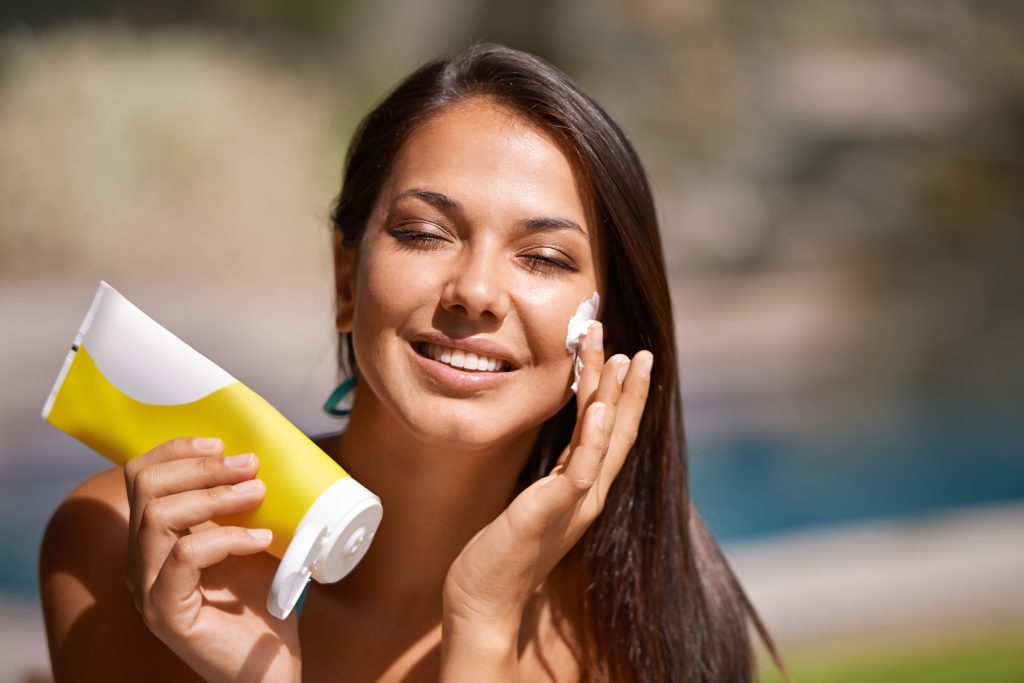
Sunscreen is one of the most important steps in any skincare routine, yet many people overlook it. A common misconception is that SPF is only necessary on sunny days, but harmful UV rays can penetrate clouds and even windows, causing long-term skin damage. Without daily protection, sun exposure accelerates aging, leading to fine lines, wrinkles, and hyperpigmentation. More importantly, it increases the risk of skin cancer. To avoid this mistake, opt for a broad-spectrum sunscreen with at least SPF 30 and apply it as the last step in your morning routine. Additionally, lightweight, non-greasy formulas make daily wear comfortable, ensuring you stay protected without feeling heavy or sticky.
Over-Exfoliating or Under-Exfoliating
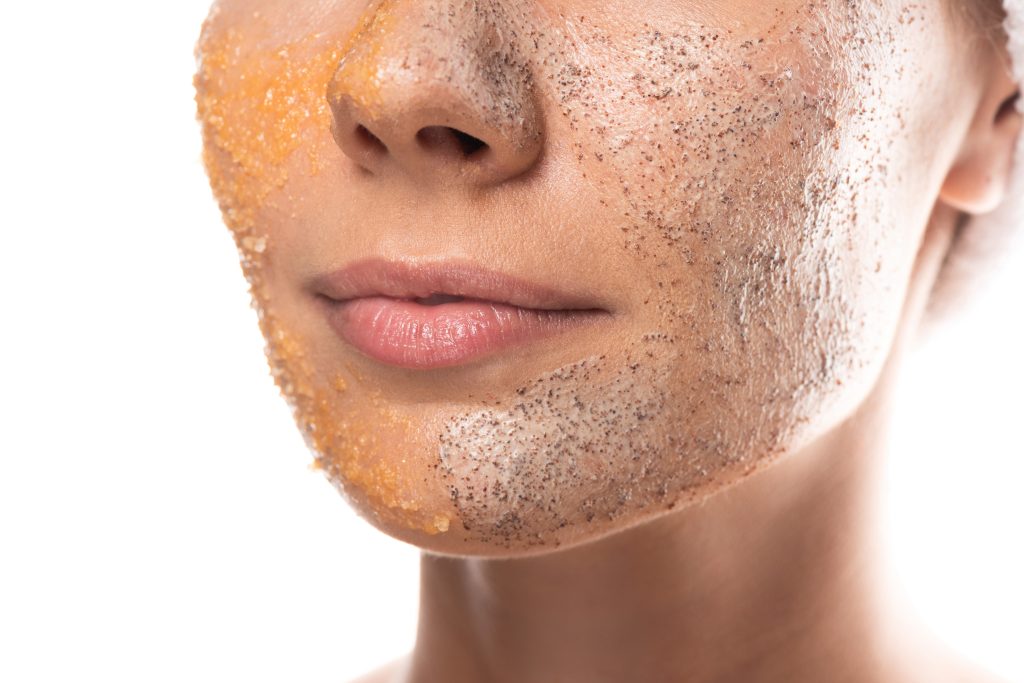
Exfoliation is essential for removing dead skin cells and promoting a smooth, radiant complexion, but both over-exfoliating and under-exfoliating can cause problems. Over-exfoliation, which often results from using harsh scrubs or frequent exfoliating treatments, can weaken the skin barrier, causing redness, irritation, and breakouts. On the other hand, not exfoliating enough can lead to clogged pores, dullness, and rough texture. The key is to find the right balance—those with sensitive or dry skin should exfoliate 1-2 times a week, while oily or acne-prone skin may benefit from exfoliation up to 3 times a week.
Additionally, choosing between physical exfoliants (scrubs) and chemical exfoliants (AHAs and BHAs) based on your skin’s needs can help maintain a healthy glow without causing damage.
Not Removing Makeup Properly
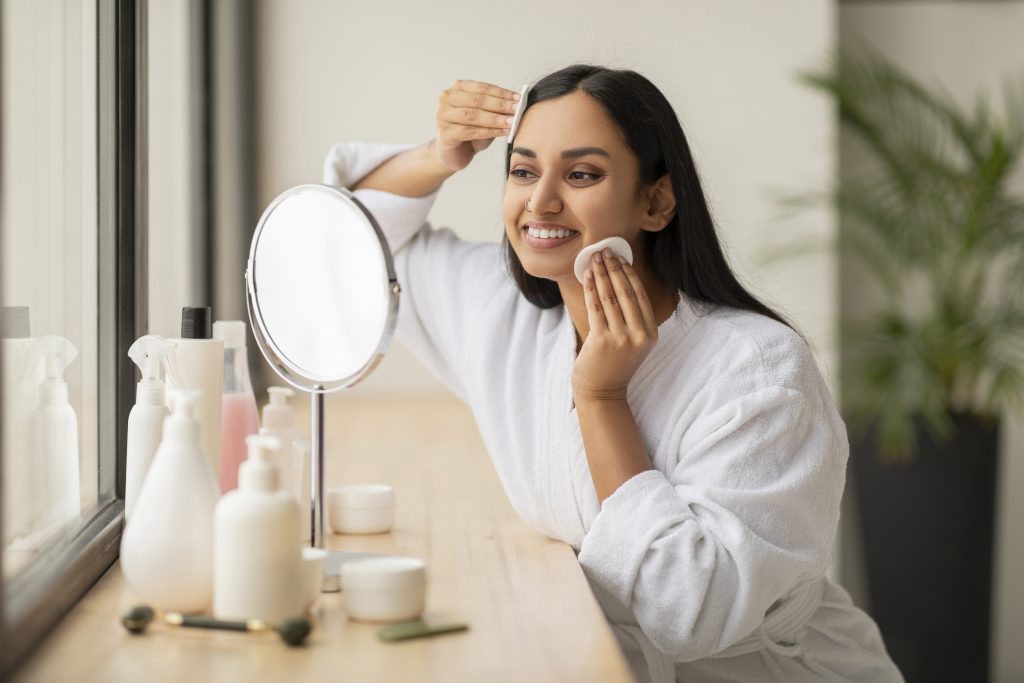
Failing to remove makeup thoroughly at the end of the day can clog pores, cause breakouts, and lead to premature aging. While micellar water or makeup wipes may seem convenient, they often leave behind residue and don’t cleanse the skin deeply enough. Instead, the double cleansing method—starting with an oil-based cleanser to break down makeup and following up with a water-based cleanser to remove impurities—ensures a thorough cleanse. This method not only prevents buildup but also helps skincare products absorb better. Moreover, choosing a gentle, hydrating cleanser suited to your skin type can help maintain a balanced, fresh complexion without stripping away essential moisture.

Using the Wrong Products for Your Skin Type
Using skincare products that don’t match your skin type can do more harm than good. For instance, heavy creams may clog pores on oily skin, while strong active ingredients can irritate sensitive skin. To build an effective routine, it’s important to first identify your skin type—oily skin tends to produce excess sebum, dry skin feels tight and flaky, combination skin has both oily and dry areas, and sensitive skin reacts easily to new products.
Once you determine your skin type, look for ingredients that support its needs, such as hyaluronic acid for hydration, niacinamide for oil control, and ceramides for strengthening the skin barrier. By choosing the right formulations, you can prevent unnecessary irritation and ensure your skincare routine delivers the best results.
Neglecting Hydration and Moisturization
Many people assume that hydration and moisturization are the same, but they serve different purposes. Hydration refers to the skin’s water content, while moisturization helps lock in that hydration to prevent dryness. Even oily skin needs proper hydration—when it lacks moisture, it may produce excess oil to compensate, leading to breakouts. Common signs of dehydrated skin include tightness, fine lines, and a dull complexion.
To maintain balance, using a hydrating serum with ingredients like hyaluronic acid can replenish water levels, while following up with a moisturizer helps seal in that hydration. Choosing the right moisturizer—lightweight gels for oily skin and richer creams for dry skin—ensures your skin stays nourished without feeling greasy.
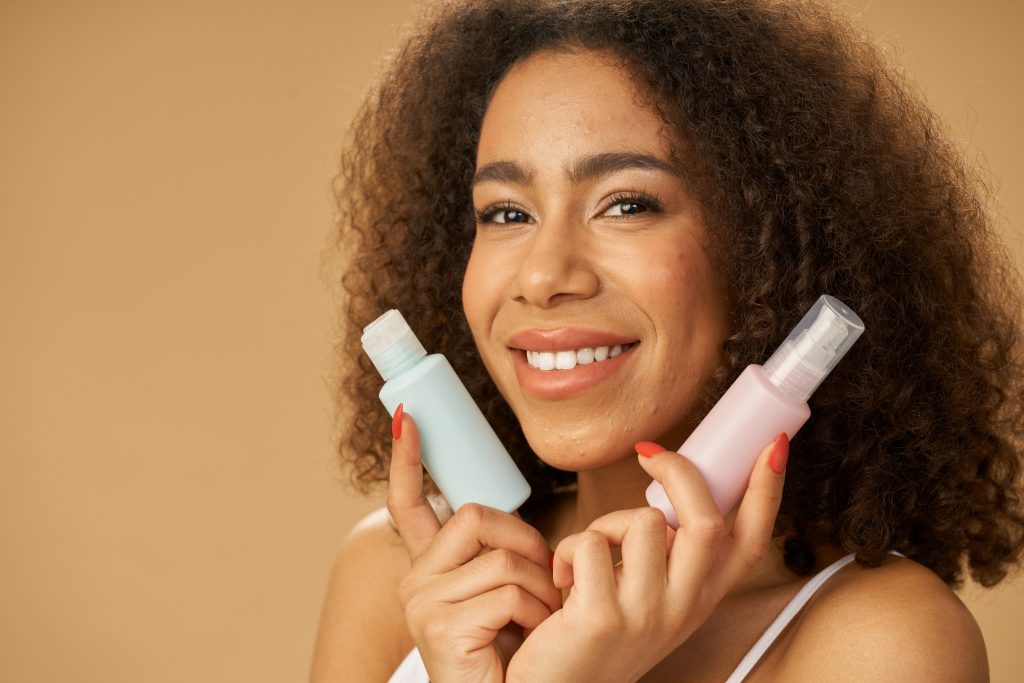
Building a Skincare Routine That Works
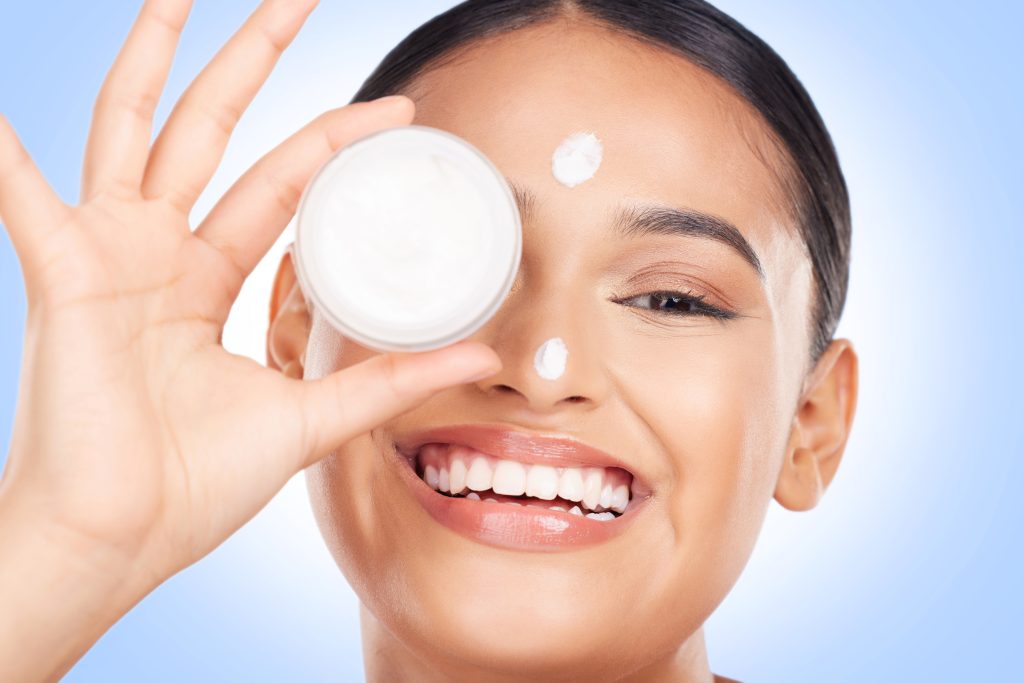
Creating an effective skincare routine starts with understanding your skin’s needs and choosing products that support its health. A well-balanced regimen typically includes cleansing to remove impurities, moisturizing to maintain hydration, and applying sunscreen to protect against UV damage. However, it’s important to recognize that skincare isn’t one-size-fits-all—your morning routine should focus on protection, while your nighttime routine should prioritize repair and recovery.
In the morning, cleansing removes any overnight buildup, followed by a hydrating serum and a lightweight moisturizer to prep the skin. The most crucial step is sunscreen, which acts as a barrier against harmful UV rays and environmental pollutants. At night, skincare shifts to renewal. A thorough cleanse—especially if wearing makeup—sets the foundation, followed by targeted treatments like retinol, exfoliants, or hydrating serums to support skin repair. A nourishing moisturizer seals in hydration, ensuring your skin stays soft and replenished while you sleep.
Expert Tips for a Better Skincare Routine
- Know Your Skin Type – Understanding whether your skin is oily, dry, combination, or sensitive helps you choose the right products.
- Use Gentle Cleansers – Harsh cleansers can strip the skin of natural oils, leading to irritation and dryness. Opt for a mild formula suited to your skin type.
- Layer Products Correctly – Apply skincare in the right order: cleanser, toner (if used), serum, moisturizer, and sunscreen in the morning.
- Don’t Skip Sunscreen – Daily SPF application protects against premature aging and skin damage, even on cloudy days.
- Introduce New Products Gradually – Avoid overwhelming your skin by incorporating one new product at a time to see how it reacts.
- Stay Hydrated Inside and Out – Drinking enough water and using hydrating products help maintain a healthy, glowing complexion.
- Listen to Your Skin – If a product causes irritation, redness, or breakouts, it may not be suitable for you—adjust accordingly.

Consistency is key—sticking to a routine tailored to your skin type will yield better results over time. Avoid the temptation to constantly switch products, as this can disrupt your skin’s balance and lead to irritation. Instead, focus on maintaining a simple yet effective approach that keeps your skin nourished and protected from morning to night.
FAQ
What are some common skincare mistakes people make?
Some common skincare mistakes include skipping sunscreen, over-exfoliating, using the wrong products for your skin type, not removing makeup properly, and neglecting hydration. These mistakes can lead to irritation, breakouts, premature aging, and other skin concerns.
How often should I exfoliate my skin?
Exfoliation depends on your skin type. Oily and acne-prone skin may benefit from exfoliating 2–3 times a week, while dry or sensitive skin should exfoliate less frequently, about once a week. Over-exfoliating is a common skincare mistake that can lead to irritation and damage the skin barrier.
What’s the difference between hydration and moisturization?
Hydration refers to increasing the skin’s water content, while moisturization helps lock in that hydration. A common skincare mistake is assuming that oily skin doesn’t need hydration—when in reality, dehydrated skin can still produce excess oil. Hydrating serums (like those with hyaluronic acid) and moisturizers (to seal in moisture) work together for healthy skin.
Is it bad to pop pimples?
Yes! Popping pimples is a common skincare mistake that can lead to scarring, inflammation, and even more breakouts by spreading bacteria. Instead, use spot treatments with ingredients like salicylic acid or benzoyl peroxide to help clear blemishes safely.
Why does my skin feel tight after cleansing?
If your skin feels tight and dry after cleansing, you may be using a harsh or stripping cleanser. A common skincare mistake is choosing a cleanser that removes too much natural moisture. Opt for gentle, sulfate-free cleansers that clean without disrupting the skin barrier.