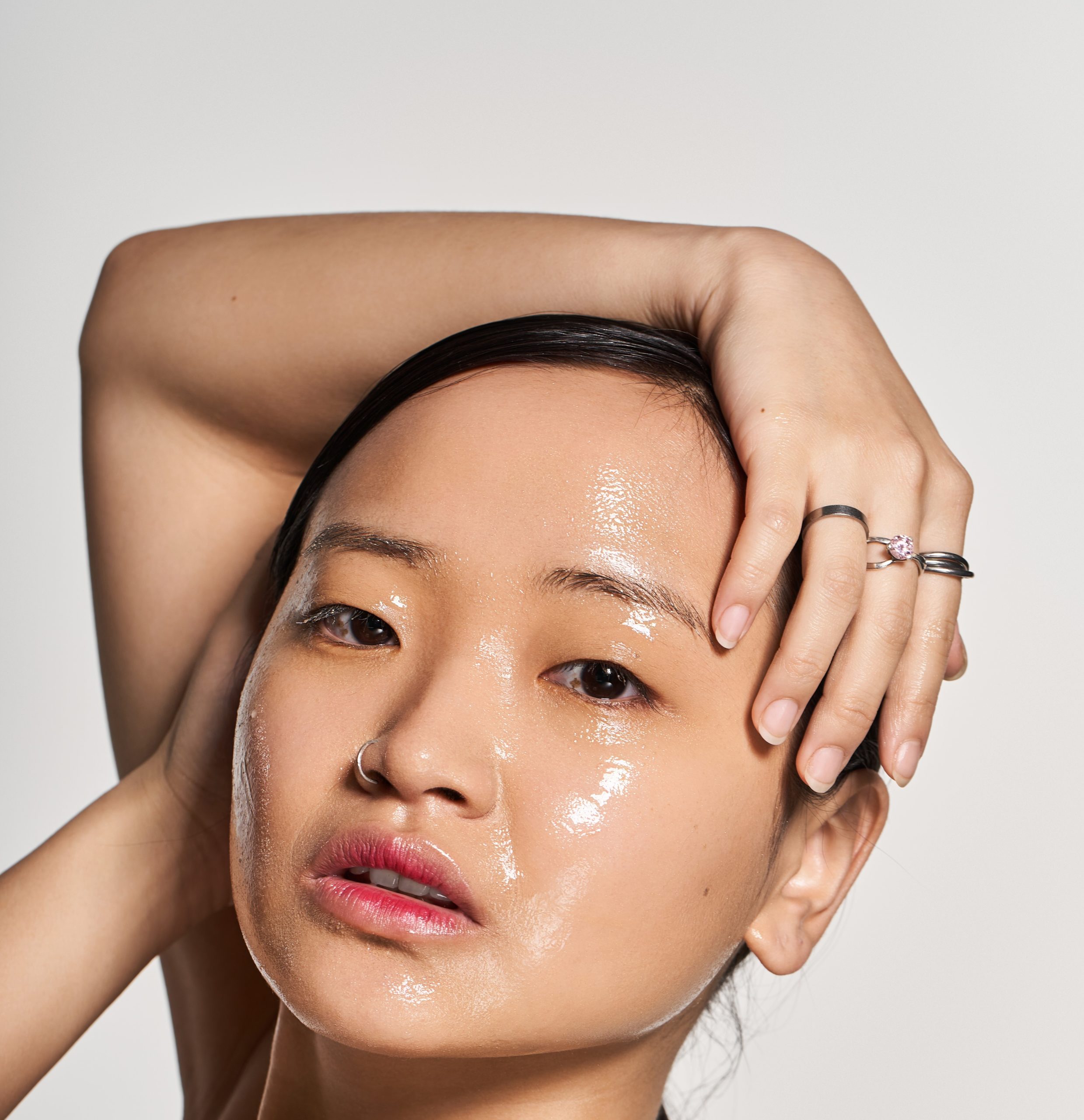

If you’ve been searching for oily skin solutions, you’re not alone — this is one of the most common skin concerns worldwide.
While a little shine is normal (and even healthy), excess oil can feel frustrating, especially when it leads to clogged pores, breakouts, or makeup that disappears by midday. The good news? With the right approach, you can control oil without stripping your skin’s natural barrier.
Understanding Oily Skin
Before jumping into fixes, it’s important to understand the “why.”
- Overactive sebaceous glands: Your skin’s oil (sebum) is produced to protect and moisturize. In oily skin, the glands are in overdrive.
- Genetics: If your parents had oily skin, chances are you do too.
- Hormonal shifts: Puberty, menstrual cycles, pregnancy, or stress can all trigger increased oil production.
- Climate: Hot and humid environments tend to make oily skin more noticeable.
- Product misuse: Using harsh cleansers or skipping moisturizer can actually make skin produce more oil to compensate.

Daily Routine for Oily Skin
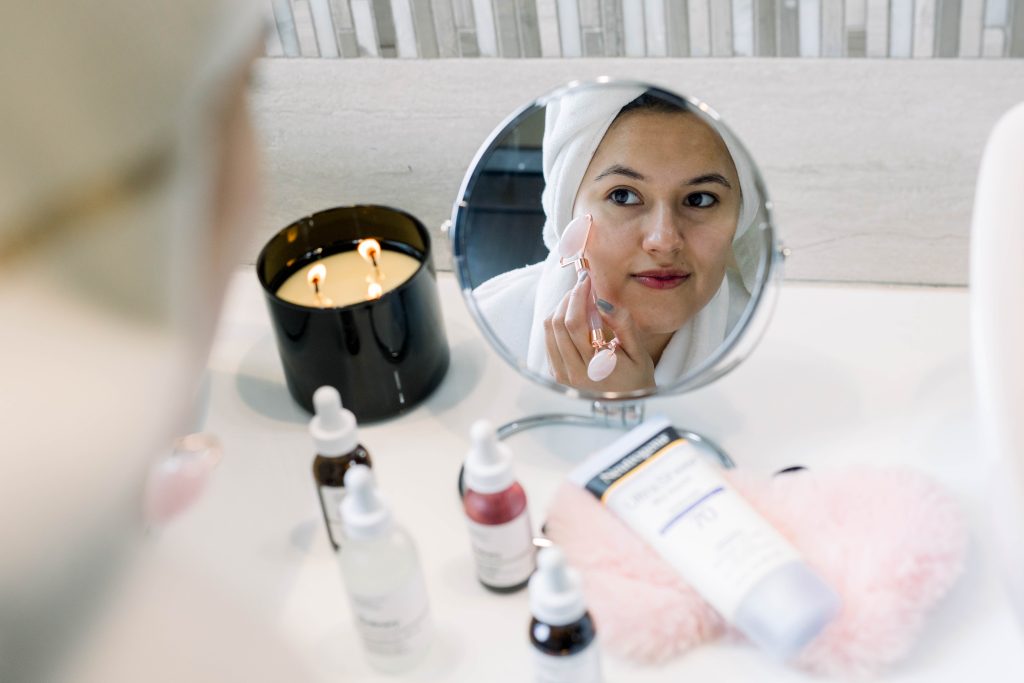
Having a clear, consistent routine is one of the most effective oily skin solutions. Here’s how to build yours:

Morning Routine
- Cleanse: Use a gentle, foaming cleanser with salicylic acid or tea tree oil.
- Tone: Choose alcohol-free toners with niacinamide or witch hazel to balance pH and reduce shine.
- Treat: Apply a lightweight serum with ingredients like niacinamide (controls oil) or hyaluronic acid (hydrates without heaviness).
- Moisturize: Opt for oil-free, non-comedogenic gels or lotions.
- Protect: Always finish with a broad-spectrum SPF 30+ — preferably a matte or gel formula.
Evening Routine
- Double cleanse: Start with a micellar water or oil cleanser (yes, oil—when used properly, it can dissolve excess sebum), followed by a gentle gel cleanser.
- Exfoliate (2–3 times a week): Use chemical exfoliants like BHA (salicylic acid) to keep pores clear.
- Treat: Apply a targeted serum for blemishes or enlarged pores.
- Moisturize: Even at night, avoid skipping moisturizer — dehydration can trigger more oil.
Ingredients to Look For in Oily Skin Products
Knowing which ingredients work for oily skin will help you shop smarter:
| Ingredient | Why It Helps |
|---|---|
| Niacinamide | Regulates sebum, strengthens barrier |
| Salicylic Acid | Penetrates pores to clear excess oil and debris |
| Clay (Kaolin, Bentonite) | Absorbs oil and detoxifies skin |
| Tea Tree Oil | Natural antibacterial and anti-inflammatory |
| Hyaluronic Acid | Hydrates without heaviness |
| Zinc | Soothes irritation and controls oil |

Lifestyle Tips for Controlling Oil
Oily skin solutions go beyond skincare products — your lifestyle matters too.
- Stay hydrated: Drinking enough water keeps skin balanced.
- Eat mindfully: Diets high in sugar and dairy may worsen oiliness for some people.
- Manage stress: Stress can spike hormones that stimulate oil production.
- Change pillowcases often: Oils transfer to fabric and back to your skin.
- Use blotting papers: They quickly absorb excess shine without disturbing makeup.
Makeup Tips for Oily Skin
Makeup can be tricky with oily skin, but these tips can help your look last all day:
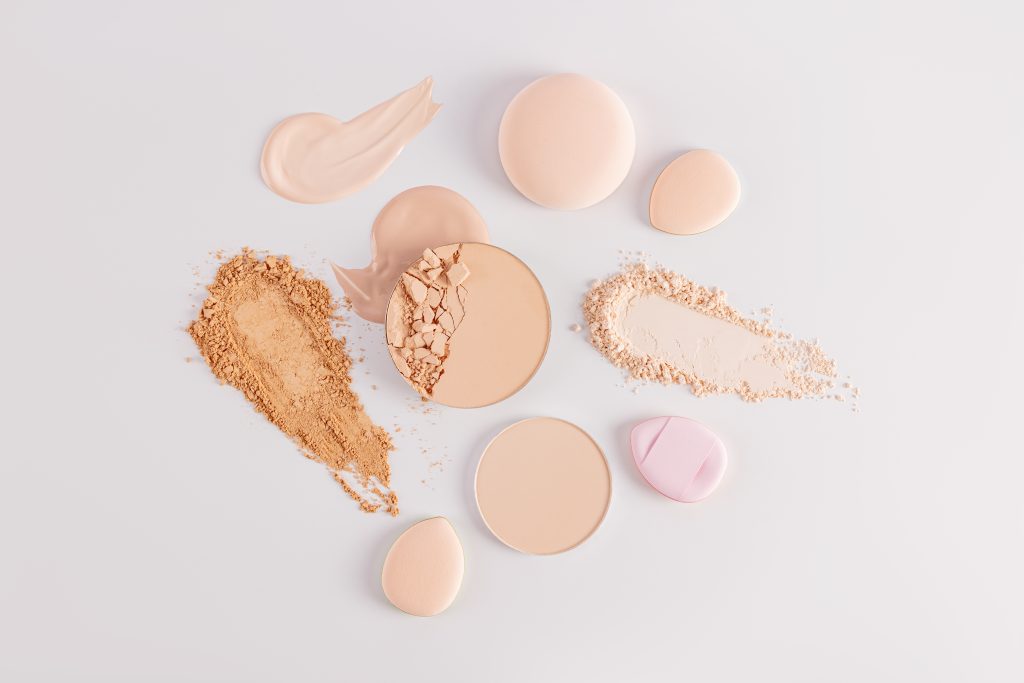
- Primer is key: Use a mattifying primer to grip makeup and reduce shine.
- Choose the right foundation: Oil-free, matte or powder foundations are best.
- Set strategically: Lightly dust translucent powder on oily zones only.
- Setting spray: A mattifying spray can lock in your look for hours.
Common Mistakes to Avoid
Even with the best intentions, some habits can backfire:
- Over-cleansing: This can strip skin and cause rebound oil production.
- Skipping moisturizer: Leads to dehydration and increased oiliness.
- Using harsh scrubs daily: Can damage skin barrier and worsen breakouts.
- Relying on alcohol-heavy products: Short-term matte effect, long-term irritation.
Expert Insight
Dr. Sam Bunting, London-based dermatologist, notes:
“Oily skin isn’t about removing all oil — it’s about finding balance. Overly aggressive routines will only make things worse. Think of your skin as a delicate ecosystem.”
For more science-backed information, check out the American Academy of Dermatology’s oily skin care tips.
FAQs
Can oily skin be dehydrated?
Yes — dehydration is about lack of water, not oil. That’s why lightweight hydration is essential.
How often should I wash my face?
Twice a day, plus after sweating.
Will oily skin age slower?
Oily skin tends to develop wrinkles more slowly, but it can still experience sagging and uneven tone.
Are home remedies safe?
Some, like honey masks, can help — but always patch test and don’t rely on them alone.