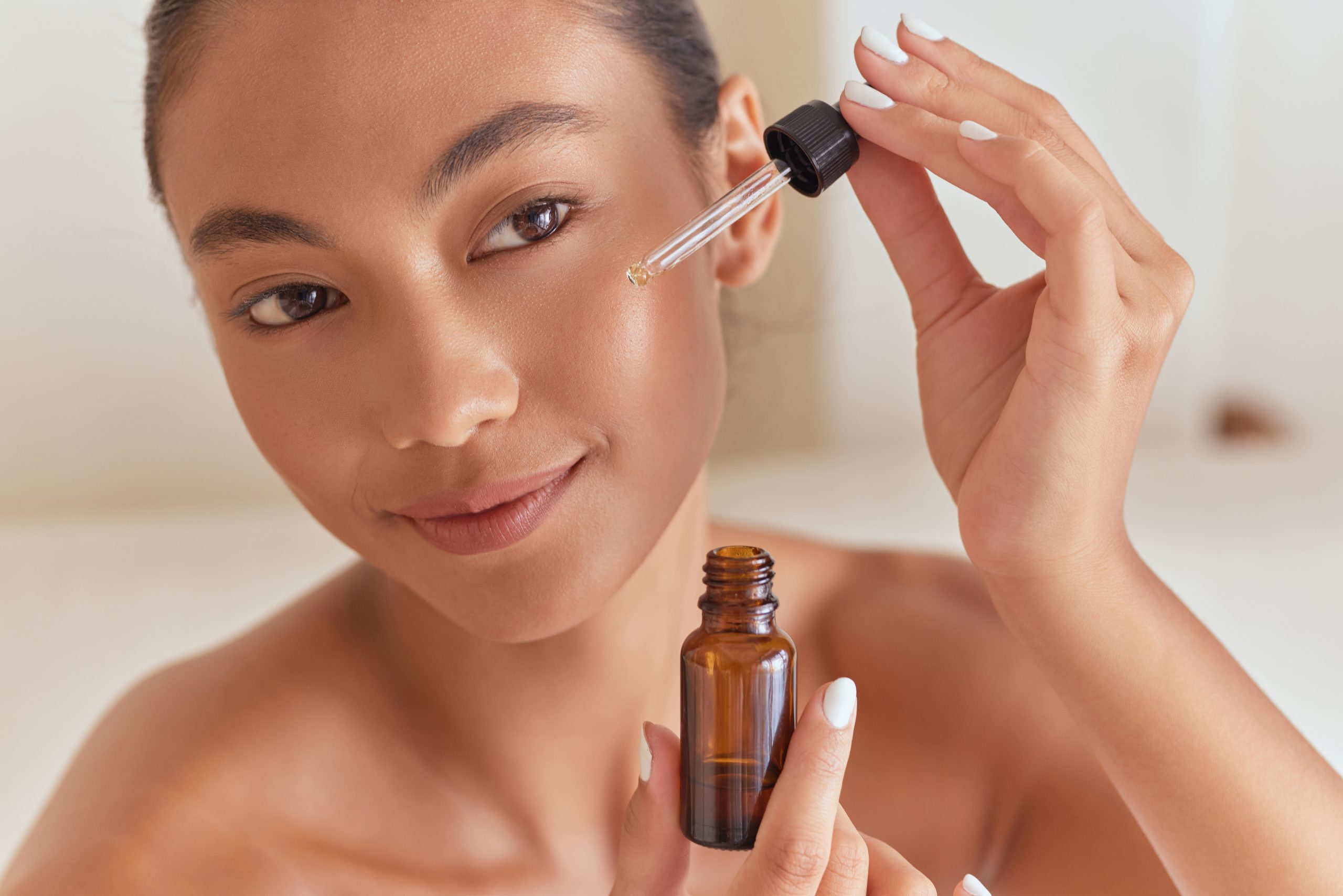

Niacinamide for skin is more than just a trending ingredient—it’s a powerhouse that’s revolutionizing modern skincare routines.
As a form of vitamin B3, niacinamide offers a wide range of benefits that go beyond the surface. From refining skin texture and minimizing pores to calming inflammation and strengthening the skin’s barrier, it delivers visible improvements that appeal to all skin types, including oily, dry, sensitive, and acne-prone. In today’s skincare world, where users are more ingredient-savvy than ever, niacinamide stands out for its effectiveness and compatibility with other actives like hyaluronic acid, retinol, and peptides.
What Is Niacinamide?
To begin with, niacinamide—also called nicotinamide—is a water-soluble form of vitamin B3. It’s essential for maintaining a healthy skin barrier, improving elasticity, and calming inflammation. Unlike some harsher ingredients that can cause irritation or dryness, niacinamide is known for its gentleness. As a result, it’s well tolerated by most skin types, even those with sensitivity or conditions like rosacea. Importantly, niacinamide also supports the skin’s natural repair processes and strengthens its ability to retain moisture.
Moreover, this multitasking ingredient works at a cellular level to improve overall skin health. Whether you’re dealing with acne, dullness, fine lines, or enlarged pores, niacinamide offers a well-rounded solution. Because of its versatility, it can be used both morning and night, and it pairs beautifully with other active ingredients—making it an excellent addition to your daily regimen.
Top Benefits of Niacinamide for Skin
There are many reasons why beauty professionals and skincare brands alike are embracing niacinamide for skin. Let’s explore the key benefits:
- Reduces acne and breakouts: Thanks to its anti-inflammatory and antibacterial properties, niacinamide can help calm active acne and prevent new pimples from forming.
- Minimizes large pores: Over time, consistent use helps reduce the appearance of pores, making the skin look smoother and more refined.
- Evens out skin tone: If you struggle with dark spots or post-acne marks, niacinamide is known to fade hyperpigmentation and brighten the complexion.
- Improves skin texture: With regular use, rough patches and uneven skin surfaces can become noticeably smoother.
- Strengthens the skin barrier: By increasing ceramide production, niacinamide enhances your skin’s ability to retain moisture and stay hydrated.
- Regulates oil production: Especially beneficial for oily or combination skin types, it helps reduce excess sebum without over-drying.
- Supports anti-aging: It softens the appearance of fine lines and improves elasticity over time.
As you can see, niacinamide is a true multitasker—one that supports the skin both on the surface and at a deeper level.
How to Use Niacinamide for Best Results
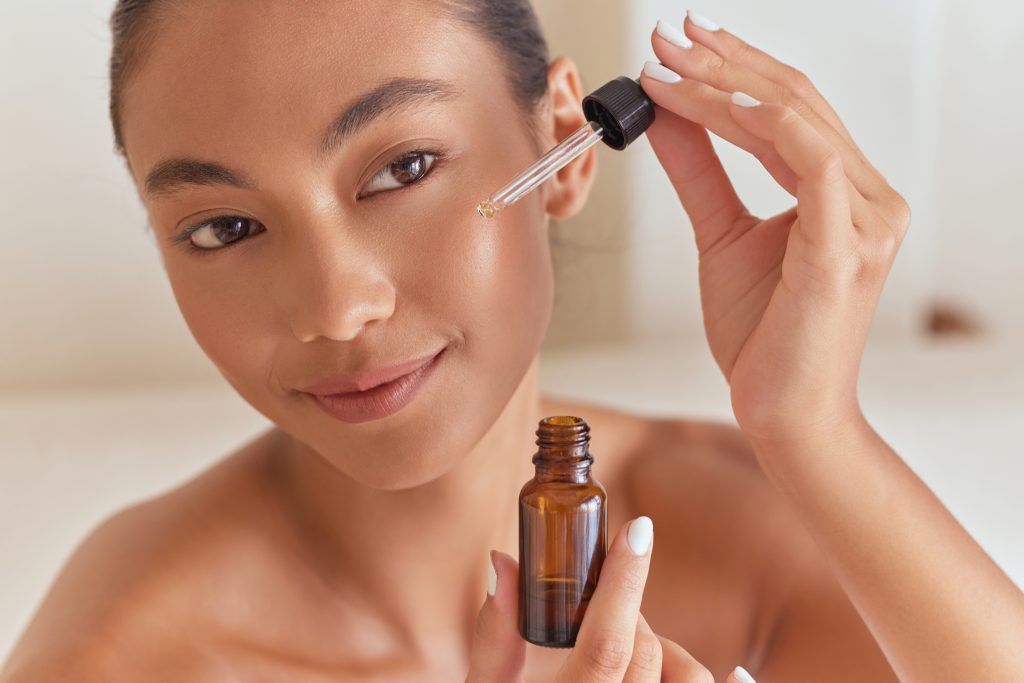
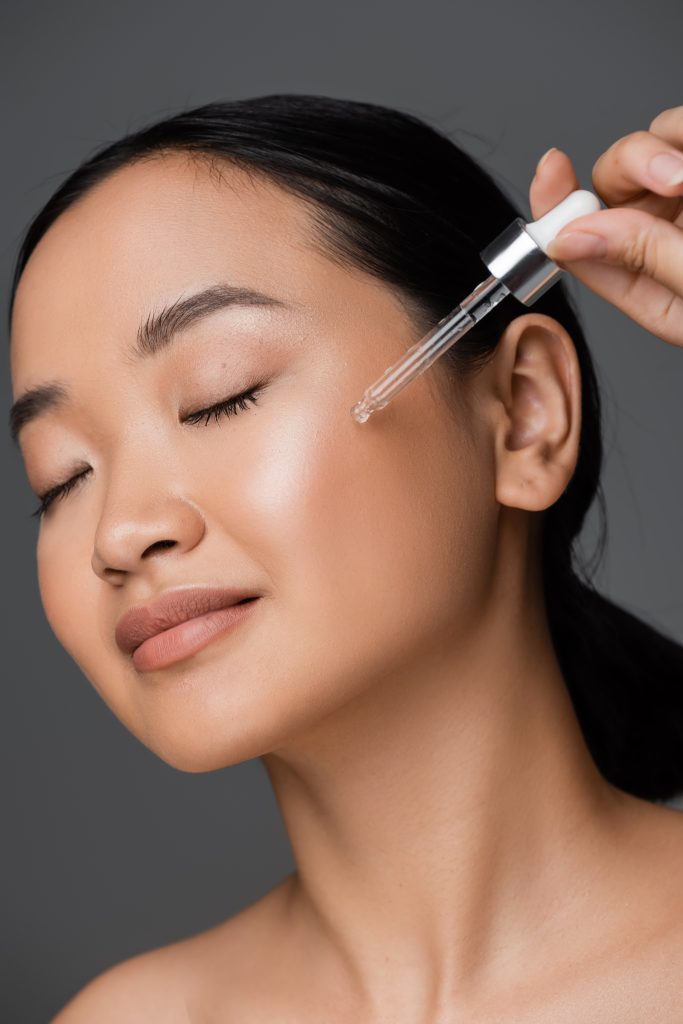
Incorporating niacinamide for skin into your daily routine is relatively simple, yet it’s important to follow a consistent application method to maximize its effects. Typically, niacinamide is found in serums or moisturizers. If you’re just starting out, look for a product with a concentration between 2% and 5%—enough to be effective, yet still gentle for beginners. For those who already use actives like retinol or exfoliating acids, a 10% niacinamide serum might be appropriate, but it’s always best to start slow.
To apply, cleanse your face thoroughly and follow with a gentle toner if you use one. Next, apply your niacinamide serum before moving on to thicker moisturizers or face oils. Notably, niacinamide pairs well with ingredients such as hyaluronic acid, peptides, squalane, and even retinol—though you should space out actives to avoid irritation. When used in the morning, always follow with SPF to protect your skin.
Furthermore, consistency is key. While you may notice subtle changes within a few days, significant improvements often take between 2 to 4 weeks of regular use. That being said, the results are well worth the patience.

Best Skin Types for Niacinamide Use
| Skin Type | Niacinamide Compatibility | Why It Works |
|---|---|---|
| Oily | Highly compatible | Regulates oil and reduces clogged pores |
| Dry | Highly compatible | Reinforces skin barrier and boosts hydration |
| Combination | Ideal | Balances oily zones and soothes dry areas |
| Sensitive | Gentle and soothing | Anti-inflammatory properties reduce redness and irritation |
| Acne-prone | Great choice | Fights inflammation, reduces breakouts and calms active pimples |
| Mature | Recommended | Improves firmness and softens fine lines over time |
Whether your skin is oily, dry, or somewhere in between, niacinamide can be tailored to support your specific needs.
Who Should Be Cautious?
While niacinamide for skin is generally well tolerated, there are a few rare cases where you may need to take precautions:
- Those with niacinamide sensitivity: A small percentage of users may experience mild irritation, redness, or flushing—usually from high concentrations.
- Overuse in layering: Using multiple niacinamide products in one routine can overwhelm the skin, especially if combined with exfoliants.
- Combining with vitamin C (ascorbic acid): Though recent studies show they can coexist, sensitive skin types may experience irritation when both are layered in high strengths.
- Always patch test: Before adding any new product to your routine, test it on a small area first to rule out adverse reactions.
Tips to Maximize Your Niacinamide Results
To get the most out of niacinamide for skin, keep these tips in mind:
- Apply after toner but before moisturizer to ensure deeper absorption.
- Use once or twice daily, depending on your skin’s needs and product strength.
- Look for complementary ingredients, like hyaluronic acid or zinc, to enhance benefits.
- Avoid product overload—you don’t need multiple niacinamide layers in one routine.
- Pair with SPF in the morning to prevent further pigmentation and maintain skin clarity.
FAQ
Can niacinamide be used with other active ingredients?
Yes. Niacinamide pairs well with hyaluronic acid, salicylic acid, peptides, and even retinol when layered properly. Just avoid combining multiple high-potency actives if your skin is sensitive.
Is niacinamide suitable for teenagers?
Absolutely. Teenagers dealing with oiliness, breakouts, or uneven skin tone can safely use niacinamide-based products.
How long does niacinamide take to work?
Visible improvements such as smoother texture and reduced redness often appear within 2 to 4 weeks. Hyperpigmentation may take longer to fade.
Should I use niacinamide in the morning or at night?
You can use it during either time—or both. However, when used in the morning, always follow with sunscreen.
Can I use niacinamide while pregnant or breastfeeding?
Yes, niacinamide is considered safe for use during pregnancy and nursing, but it’s always wise to consult a dermatologist before starting any new skincare during this time.