

Face serum is one of the most powerful products you can add to your skincare routine.
Lightweight yet concentrated, serums are designed to deliver active ingredients deep into your skin, targeting concerns like dehydration, dullness, wrinkles, acne, and hyperpigmentation with greater precision than moisturizers alone. Whether you’re a skincare beginner or an enthusiast looking to level up your regimen, understanding how to choose and use a serum properly can transform your results.
What Is a Face Serum and How Does It Work?
To begin with, a face serum is a skincare product with a high concentration of active ingredients, typically water- or oil-based, designed to penetrate deeper into the skin than creams. Serums are formulated with smaller molecules, allowing them to target specific issues more effectively—whether it’s dryness, aging, dark spots, or acne. Unlike heavier moisturizers that seal in hydration, serums are meant to treat and correct.
Because of their lightweight texture and high potency, serums are usually applied after cleansing and before moisturizing, allowing the active ingredients to reach the skin directly.
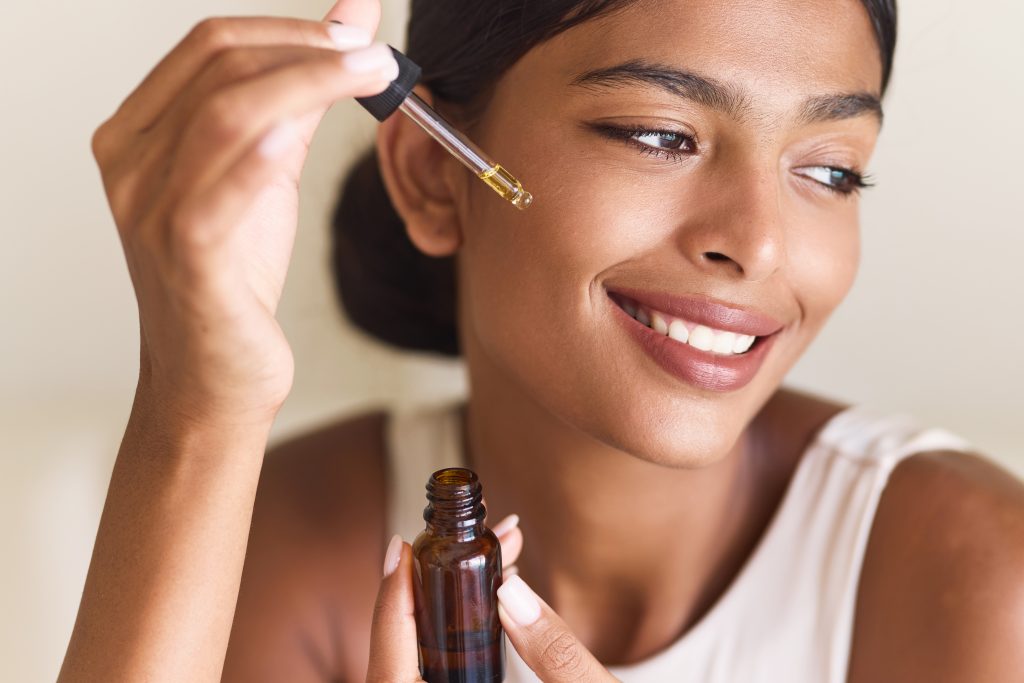
Benefits of Using a Face Serum
Adding a face serum to your daily skincare routine can offer several benefits, including:
- Targeted treatment: Ideal for specific concerns like wrinkles, pigmentation, or breakouts
- Fast absorption: Lightweight and quick to penetrate skin without clogging pores
- Visible results: Many users notice improvements in skin tone and texture within weeks
- Layering flexibility: Easily pairs with other products like toners and moisturizers
- Boosts overall skincare: Enhances the performance of your entire routine
Types of Face Serums by Skin Concern
| Skin Concern | Serum Type | Key Ingredients |
|---|---|---|
| Dryness & Dehydration | Hydrating Serum | Hyaluronic Acid, Glycerin, Panthenol |
| Aging & Fine Lines | Anti-Aging Serum | Retinol, Peptides, Vitamin C, Resveratrol |
| Dark Spots & Dullness | Brightening Serum | Vitamin C, Niacinamide, Licorice Extract |
| Acne & Blemishes | Clarifying Serum | Salicylic Acid, Tea Tree Oil, Zinc |
| Redness & Sensitivity | Calming Serum | Centella Asiatica, Aloe Vera, Green Tea |
| Uneven Texture | Exfoliating Serum | Lactic Acid, Glycolic Acid, Mandelic Acid |
How to Apply Face Serum Correctly
- Cleanse your face thoroughly to remove dirt and oil.
- Apply toner if you use one—it preps the skin for absorption.
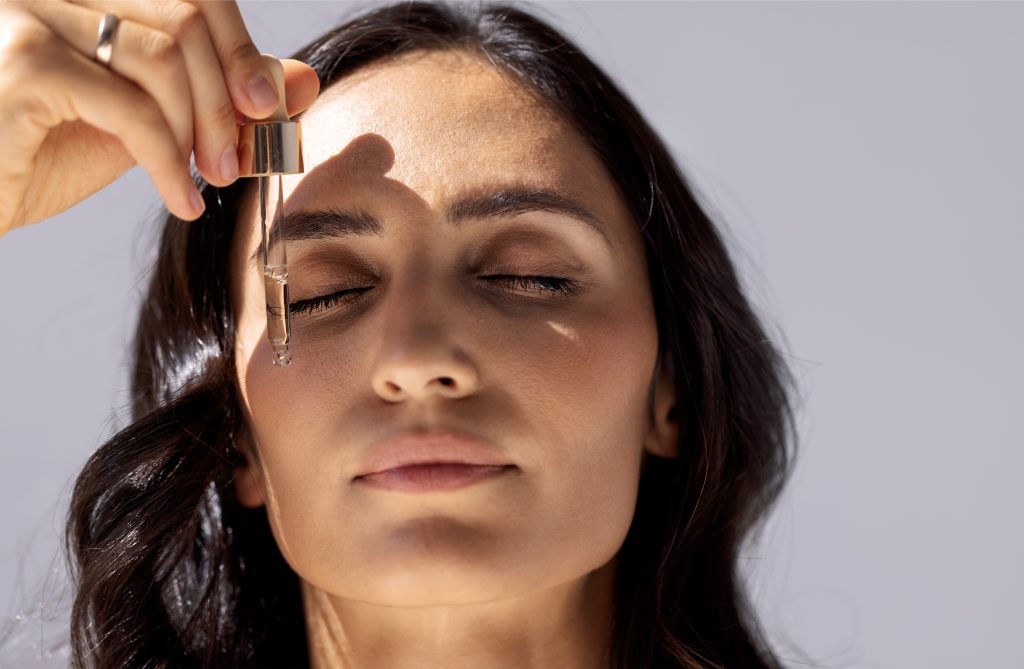
- Dispense 2–3 drops of serum into your palm (or directly onto the face).
- Gently press or pat the serum into your skin—avoid rubbing harshly.
- Let it absorb for about 30–60 seconds.
- Follow with moisturizer to lock in the serum’s active ingredients.
- Use morning or night depending on the serum type and instructions.
When to Use Face Serum in Your Routine
- Morning: Use antioxidant serums (like vitamin C) to protect from environmental stress.
- Night: Apply retinol, peptides, or exfoliating serums for regeneration.
- Twice daily: Hydrating serums with hyaluronic acid can be used both AM and PM.
| Step | Product |
|---|---|
| 1. Cleanser | Gel, cream, or foam |
| 2. Toner (optional) | Hydrating or balancing |
| 3. Serum | Targeted treatment |
| 4. Moisturizer | Hydrating or occlusive |
| 5. SPF (AM only) | Broad spectrum SPF 30+ |
Tips for Choosing the Right Face Serum
Choosing the best face serum depends on your skin type, goals and sensitivity level. If you’re new to active ingredients, start with gentle formulations and patch test before full application. For oily or acne-prone skin, go for oil-free, non-comedogenic serums with niacinamide or salicylic acid. If you have dry or mature skin, look for serums rich in hyaluronic acid, peptides, or antioxidants.
Also, avoid layering too many active ingredients—some combinations (like retinol and AHAs) may irritate the skin. Instead, alternate them or seek combo formulations developed for safe daily use.
FAQ
Can I use more than one serum in my routine?
Yes, you can layer serums, but apply water-based ones first, followed by thicker or oil-based formulas. Avoid combining conflicting actives unless advised.
How long does it take to see results from a serum?
Generally, you’ll begin seeing improvements in 2–4 weeks, but long-term benefits may take 2–3 months of consistent use.
Should I apply serum every day?
Most serums are designed for daily use. Some stronger formulas (like retinol or exfoliants) should be used only 2–3 times per week.
Can serums replace moisturizers?
No. Serums deliver actives but lack the emollients or occlusives to seal in hydration. Always follow with a moisturizer.
Is it safe to use face serum under makeup?
Absolutely. Lightweight serums with fast absorption work well under makeup and can even improve how foundation wears on the skin.