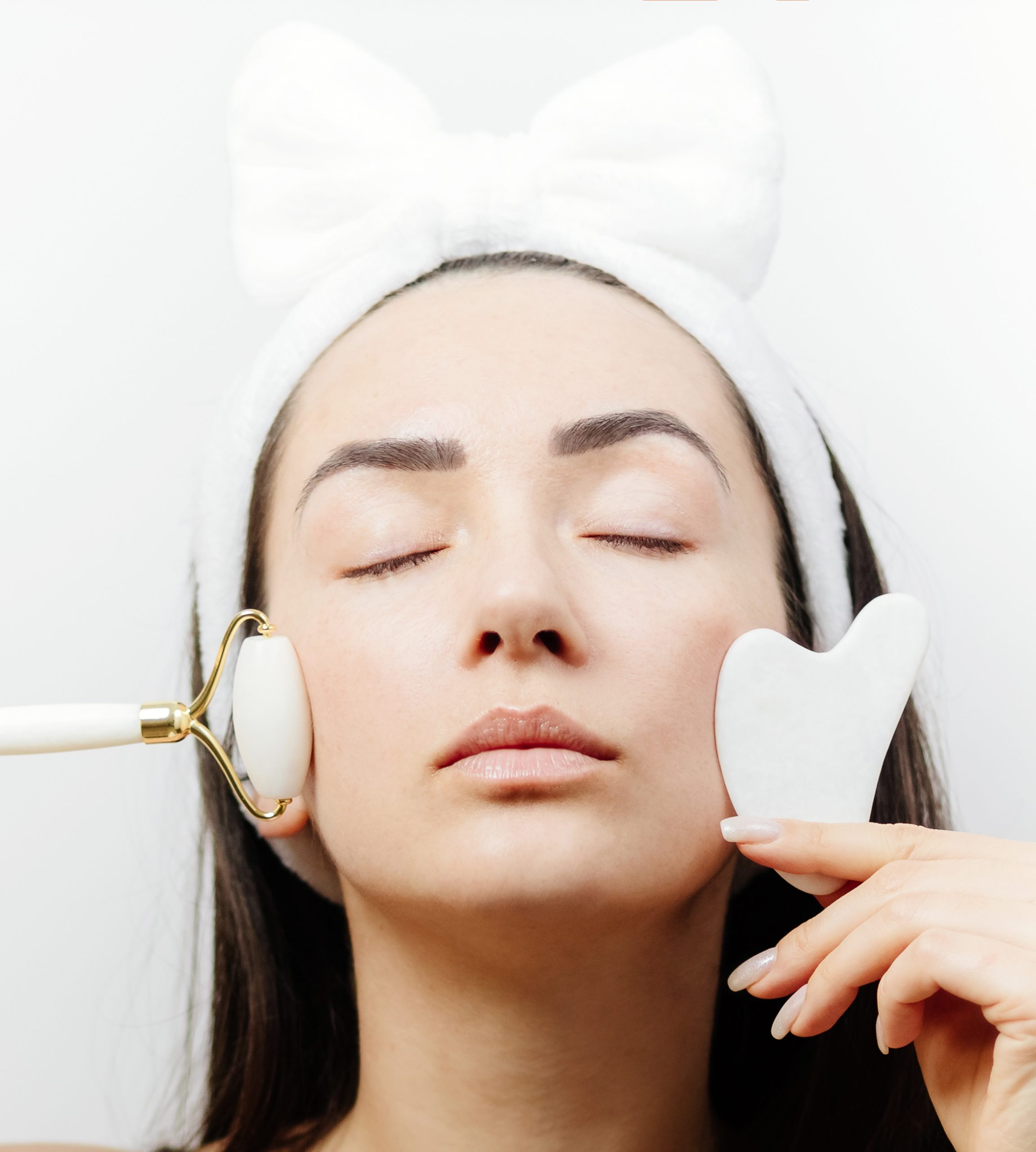
Skin barrier repair routine is more than just a skincare trend—it’s a crucial approach to healing compromised skin.
Whether caused by over-exfoliation, retinol sensitivity, harsh weather, or stress, a damaged skin barrier can lead to redness, irritation, dryness, and increased breakouts. Fortunately, with the right products and a consistent approach, it’s possible to restore your skin’s natural defenses and achieve a healthier, more resilient complexion.
What Is the Skin Barrier and Why Does It Matter?
To begin with, your skin barrier — also known as the stratum corneum — is the outermost layer of your skin. It acts like a protective wall, keeping moisture in while blocking irritants and pathogens out.
However, factors such as overuse of exfoliating acids, harsh cleansers, environmental stressors, and even seasonal changes can compromise this barrier. When this happens, symptoms like tightness, flaking, redness, stinging, or breakouts may occur.


Signs Your Skin Barrier Is Damaged
Before diving into the solution, it’s important to recognize when your skin barrier needs attention. You may notice:
- Increased sensitivity or burning sensations
- Persistent redness or inflammation
- Excess dryness or dehydration
- Flaky or rough texture
- Acne flare-ups that feel raw or irritated
If any of these sound familiar, it’s time to simplify and rebuild.
Step-by-Step Skin Barrier Repair Routine
1. Use a Gentle, Sulfate-Free Cleanser
Start by switching to a fragrance-free, non-foaming cleanser. Avoid anything with alcohol or strong surfactants that can strip the skin.
2. Apply a Hydrating Toner or Essence
After cleansing, opt for a toner or essence rich in humectants like glycerin or hyaluronic acid. This helps pull moisture into the skin without irritating it.
3. Incorporate Barrier-Building Serums
Look for serums that contain ceramides, peptides, niacinamide and panthenol. These ingredients help rebuild the skin’s protective layer and calm inflammation.
4. Use a Rich, Nourishing Moisturizer
A good moisturizer will seal in hydration and reinforce the lipid layer of your skin barrier. Choose formulas with squalane, shea butter, fatty acids, or cholesterol.
5. Protect with Broad-Spectrum SPF (Daily!)
Even during repair mode, don’t skip your SPF. Sun damage is a major skin barrier disruptor. Use a mineral sunscreen with zinc oxide or titanium dioxide for the most gentle protection.
6. Optional: Overnight Repair Mask
If your skin is severely compromised, using an occlusive sleeping mask 2–3 times per week can create a healing environment overnight.
Tips to Prevent Further Damage
- Avoid over-exfoliating: Limit acids to once a week or skip them until your barrier is healed.
- Cut back on actives: Pause retinoids or Vitamin C until irritation subsides.
- Stick to minimal routines: Focus on calming ingredients and barrier strengtheners only.
- Don’t use hot water: Lukewarm is gentler and more hydrating.
FAQ
What is the skin barrier and why is it important?
The skin barrier is the outermost layer of your skin, also known as the stratum corneum. It protects against environmental aggressors like bacteria, pollutants, and moisture loss. When the barrier is damaged, skin becomes dry, sensitive, and prone to irritation and breakouts.
How do I know if my skin barrier is damaged?
Signs of a damaged skin barrier include redness, tightness, flakiness, sensitivity to skincare products, stinging or burning sensations, and increased acne or dryness.
Can over-exfoliating cause skin barrier damage?
Yes, excessive use of chemical exfoliants (like AHAs or BHAs) or physical scrubs can strip away the protective lipids in your skin, leading to barrier disruption.
How long does it take to repair a damaged skin barrier?
With a consistent, gentle routine, most people begin to see improvements within 1 to 3 weeks. However, complete repair can take up to 4 weeks or longer depending on the severity.
Can I use retinol while repairing my skin barrier?
It’s best to pause retinol and other strong active ingredients until your skin barrier is restored. Once healed, you can reintroduce retinol gradually, starting with low concentrations and buffering with moisturizers.
What ingredients should I look for in products to repair my skin barrier?
Focus on products containing ceramides, niacinamide, peptides, hyaluronic acid, panthenol, and natural oils. These ingredients support moisture retention, reduce inflammation, and rebuild lipids in the skin.