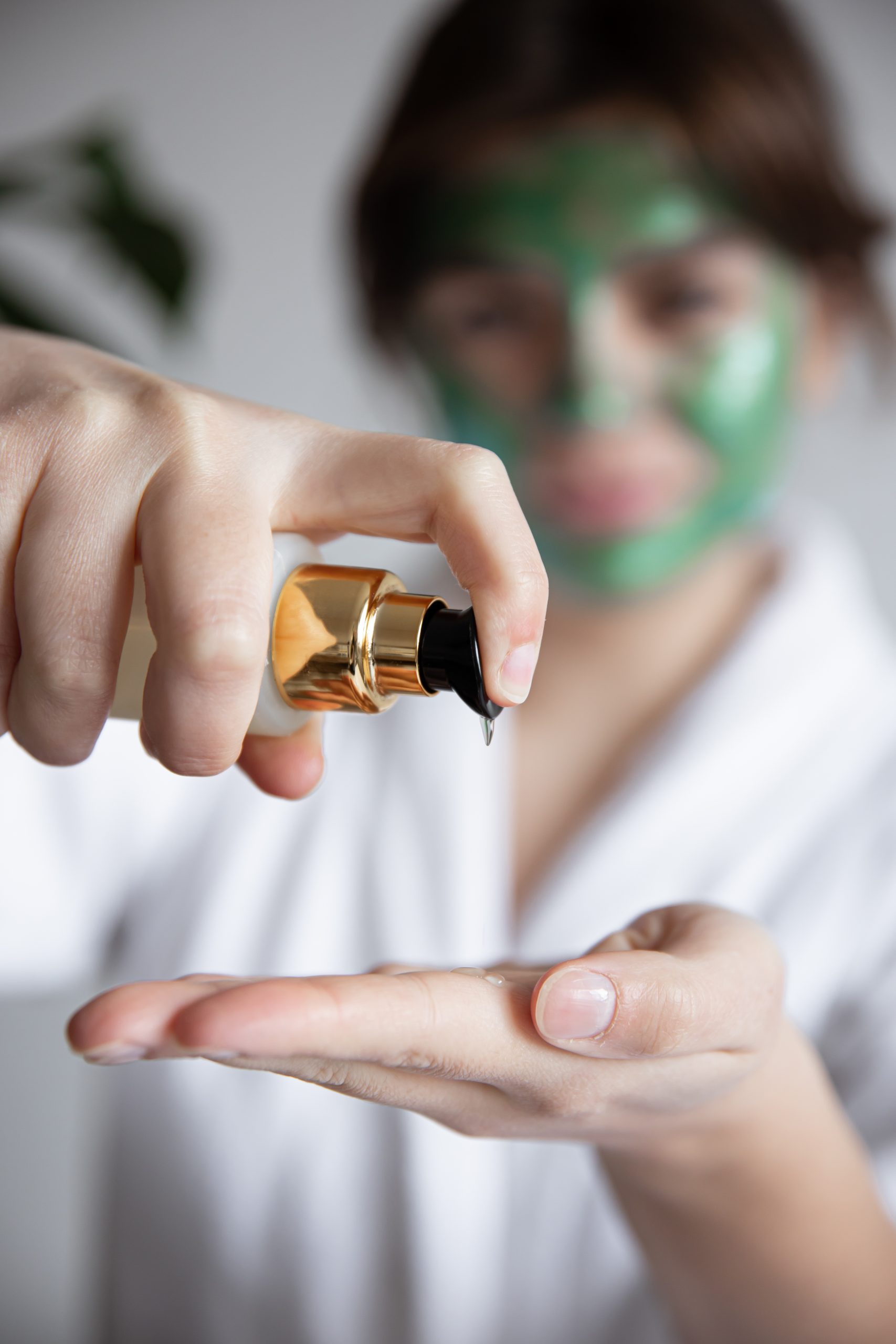
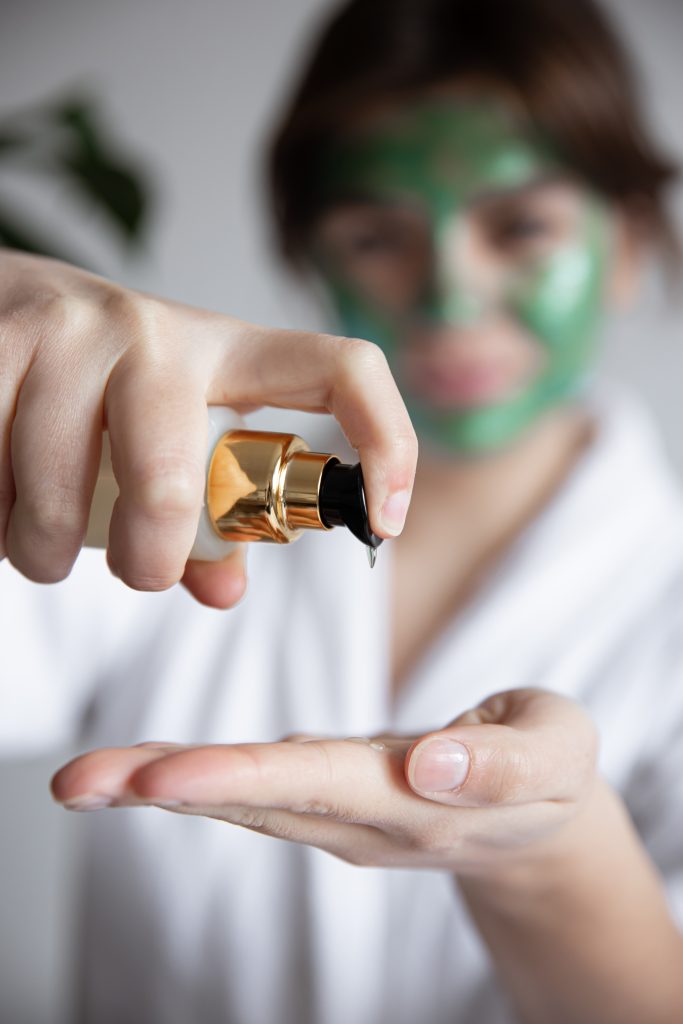
Slugging skincare has taken over TikTok, Reddit threads, and skincare blogs, and it’s not just hype.
What started as a viral beauty trend has quickly become a go-to ritual for skincare lovers looking to revive dry, tired, or irritated skin. This simple yet powerful overnight technique involves sealing your face with a layer of an occlusive—typically petroleum jelly—on top of your regular nighttime routine. The goal? To lock in moisture, prevent water loss, and wake up to skin that looks visibly softer, smoother and deeply hydrated.
While it might sound strange, the idea behind slugging skincare is actually grounded in dermatological science and has been practiced for decades, especially in K-beauty routines. It’s a simple, low-cost method to support your skin’s moisture barrier and combat dryness, flakiness, and dullness.
What Is Slugging Skincare?
Slugging skincare gets its name from the glossy, “slimy” appearance that results when you apply a thick occlusive layer to your face—making your skin look like it’s been slimed by a slug (yes, really).
The core of the method is moisture retention. Occlusives—such as petroleum jelly, mineral oil and ceramide-rich balms—create a protective seal over your skin to prevent transepidermal water loss (TEWL). This allows your skin to retain moisture overnight and supports healing from within.
In slugging skincare, this step is done after applying your usual hydrating serums and moisturizers, making it the final stage of your nighttime routine.
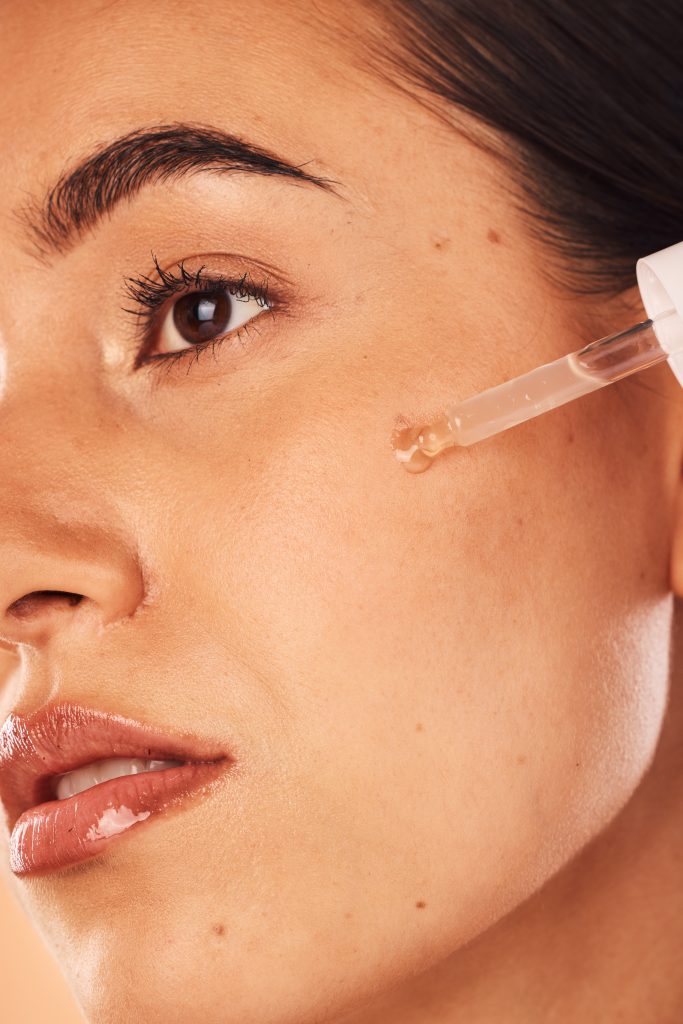
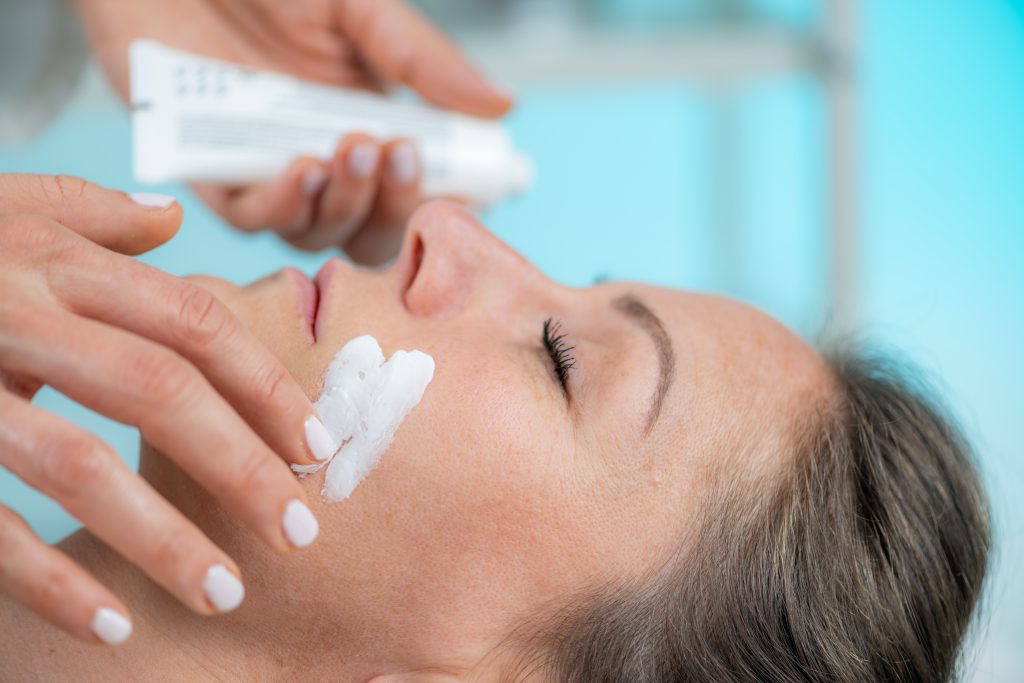
Benefits of Slugging Skincare
The growing popularity of slugging skincare is thanks to the real, visible results it offers for certain skin types. Here’s what makes it so effective:
- Boosts hydration: Locks in existing moisture and helps your skin absorb hydrating products better.
- Restores the skin barrier: Supports recovery for damaged or irritated skin.
- Minimizes dry patches and flaking: Especially useful during winter or when using actives like retinol.
- Promotes a glowing, dewy look: Skin appears plumper, smoother, and more refreshed by morning.
According to dermatologists like Dr. Shereene Idriss and Dr. Whitney Bowe, slugging skincare can be highly beneficial when used correctly and in moderation, particularly for dry, mature, or sensitive skin types.
Who Should Try Slugging Skincare, And Who Shouldn’t?
Slugging skincare works wonders for some, but isn’t the best choice for everyone.
Ideal for:
- Dry or dehydrated skin
- Compromised skin barriers
- Mature or aging skin
- Retinol or exfoliation users
Not ideal for:
- Oily or acne-prone skin (may trap sebum and bacteria)
- People with fungal acne or rosacea
- Hot, humid climates where sweat and occlusion can cause breakouts
If you’re unsure, patch test first and start with once-a-week slugging sessions to see how your skin responds.
How to Do Slugging Skincare
Ready to try slugging skincare? Here’s how to do it the right way:
- Cleanse: Start with a gentle cleanser to remove dirt, oil, and makeup.
- Hydrate: Apply a water-based serum, like hyaluronic acid, for an extra moisture boost.
- Moisturize: Use your favorite nourishing night cream.
- Seal: Gently apply a thin layer of an occlusive product—such as petroleum jelly or a balm, to lock everything in.
- Sleep tight: Let your skin repair overnight under the occlusive shield.
- Rinse in the morning: Cleanse to remove any residue and follow your usual routine.
Avoid using potent actives like retinol, glycolic acid or vitamin C before slugging. Occlusion increases their penetration and can irritate the skin.
Common Slugging Myths and Real User Tips
Myth: Slugging skincare clogs pores.
Truth: Petroleum jelly is non-comedogenic—but if your skin is not properly cleansed beforehand or if you’re acne-prone, issues may occur.
Myth: You need a thick layer for it to work.
Truth: A thin, even layer is usually enough. Too much can feel greasy and cause pillowcase messes.
Tips from users:
- Try “micro-slugging”—applying occlusives only to dry patches or specific areas like under the eyes or around the nose.
- Use a silk pillowcase or cover your pillow with a clean towel.
- Skip it on nights when you’re using strong exfoliants or acne treatments.
FAQs
What is slugging skincare, and how does it work?
Slugging skincare is a technique where you apply an occlusive product—usually petroleum jelly—over your nighttime skincare routine. This forms a barrier that locks in moisture, prevents water loss, and helps the skin repair itself overnight.
Is slugging safe for all skin types?
Slugging skincare is generally safe for dry, sensitive, or mature skin types. However, it may not be suitable for oily or acne-prone skin, as it can trap oil and bacteria, potentially leading to breakouts.
Can slugging cause acne?
While petroleum jelly itself is non-comedogenic, slugging skincare can cause breakouts if applied over active acne, dirty skin, or comedogenic ingredients. Make sure to cleanse your face properly before slugging, and avoid the technique if you’re prone to breakouts.
How often should I do slugging skincare?
Start with 1–2 times per week to see how your skin reacts. If your skin loves it, you can increase frequency—but daily slugging isn’t necessary for most people. Overdoing it can lead to clogged pores or product buildup.
Can I use slugging skincare on areas other than my face?
Absolutely! Slugging skincare works well on dry patches, elbows, knees, hands, and even lips. Some people also use it on feet overnight with socks to heal cracked heels.
Is slugging skincare a Korean beauty technique?
Yes, the concept of slugging has roots in K-beauty (Korean skincare), where multi-step routines and moisture layering are common. Slugging is now widely adopted worldwide due to its simplicity and visible results.
When will I see results from slugging skincare?
Many people notice softer, more hydrated skin after just one night, but long-term benefits—like a stronger skin barrier and fewer dry patches—become more noticeable after a few weeks of consistent use.