Nail recovery after gel is not just a fancy buzzword, it’s a crucial process for anyone whose nails feel dehydrated, fragile or damaged following gel polish removal.
Because gel manicures often require strong solvents and physical filing, your nails can end up thin, peeling, and in need of serious TLC. Fortunately, with the right care steps—along with gentle hydration and strength-building products—you can support healthy, resilient nails once again.
The Foundation of Nail Recovery
Cleaning & Prep
When starting nail recovery after gel, the first step is gentle cleansing and preparation. After removing gel polish, particularly if acetone was used, your nails may feel dry and brittle. To begin, wash your hands with a mild, fragrance-free cleanser and lukewarm water. Avoid scrubbing; instead, use a soft brush or cloth to remove remaining residue.
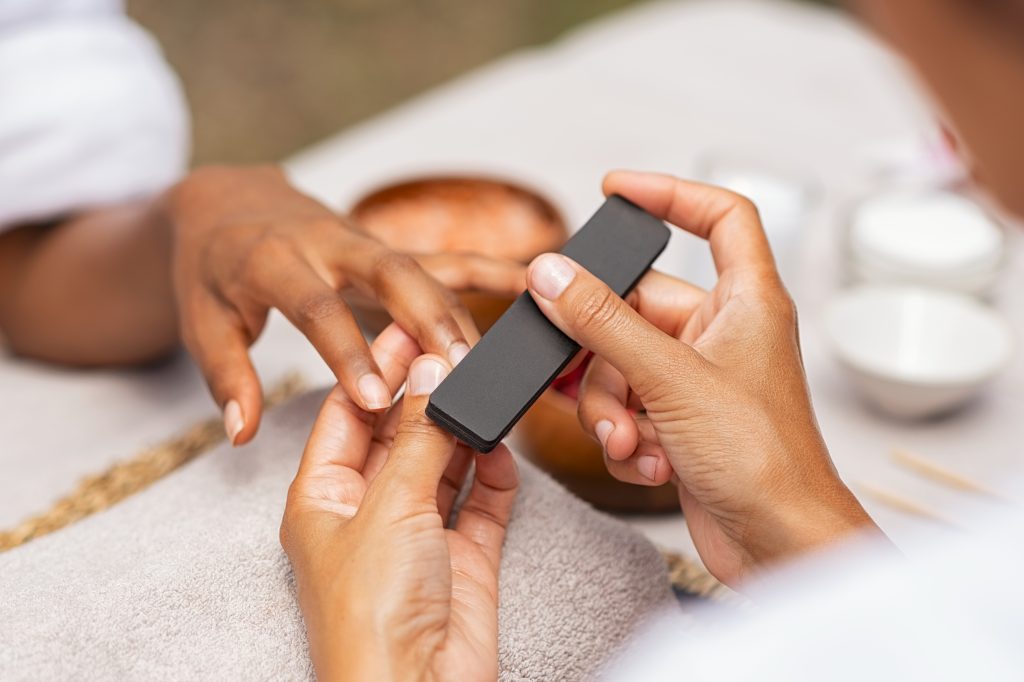
Next, lightly file your nails using a fine-grit glass file, shaping edges in one direction to prevent micro-tears. This prep stage is essential. Without it, subsequent treatments may not absorb properly, and weak edges can split or peel, delaying recovery.
Boost Circulation & Nail Growth
Cuticle Care
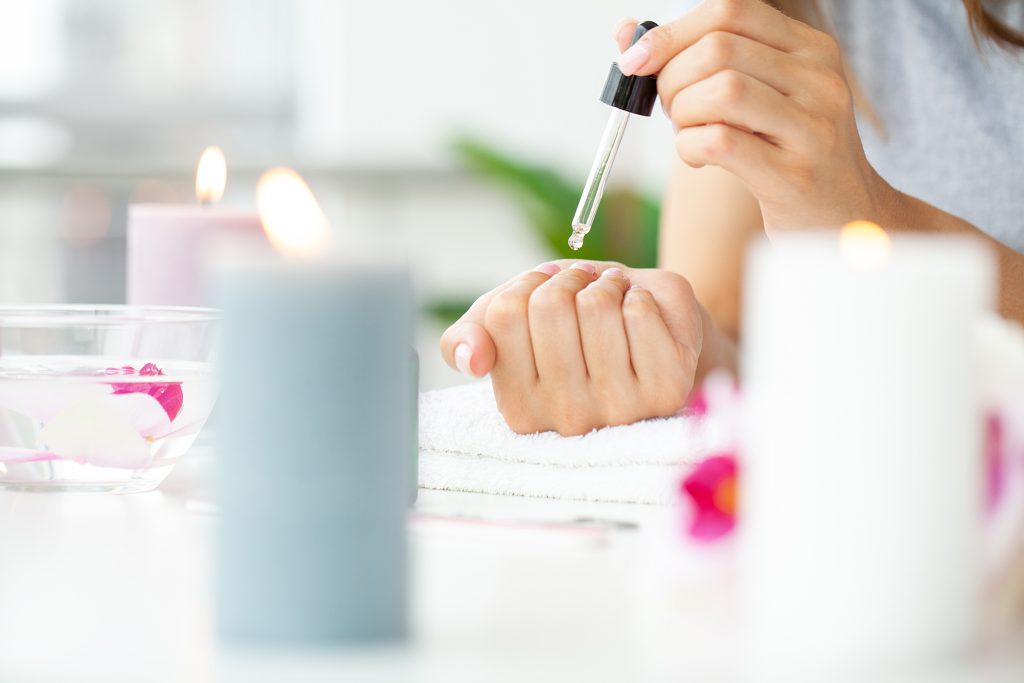
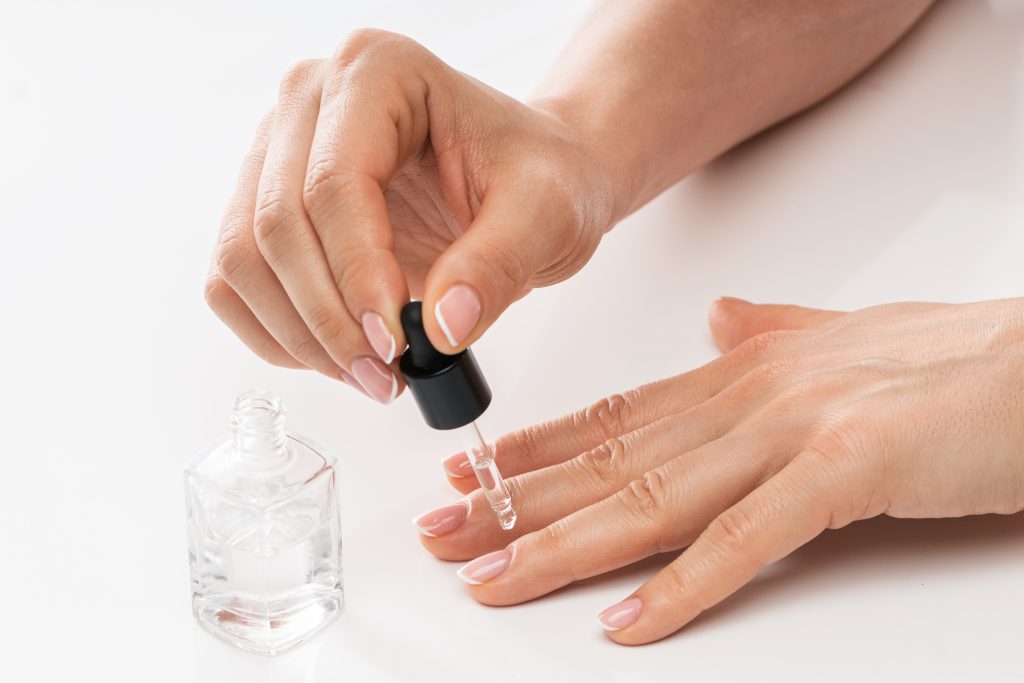
Proper nail recovery after gel also depends on healthy cuticles. Your cuticle area nurtures nail growth, so hydrating it daily helps support overall improvement. Choose a quality oil, such as jojoba or vitamin E-based—that penetrates the nail bed. Apply a drop to each cuticle and gently massage it in, increasing circulation and encouraging healthy growth.
Consistency is key: aim for at least twice daily, especially after any hand washing or exfoliation. Over time, this practice strengthens the nail matrix and dramatically reduces dryness or peeling.
Rebuild from Within
Strengthening Treatments
To advance nail recovery after gel, you’ll need a targeted strengthening solution. Look for nail treatments that feature keratin, calcium or hydrolyzed proteins. These ingredients penetrate the nail plate, reinforcing structure and helping prevent bending or breakage.
Recommended application: apply a thin coat twice weekly for the first two weeks, then reduce to once weekly as nails regain strength. Allow each layer to dry completely before exposure to water or polish. With regular use, many users report harder, more resilient nails in under a month.
Prevent Brittleness and Peeling
Hydration Strategies
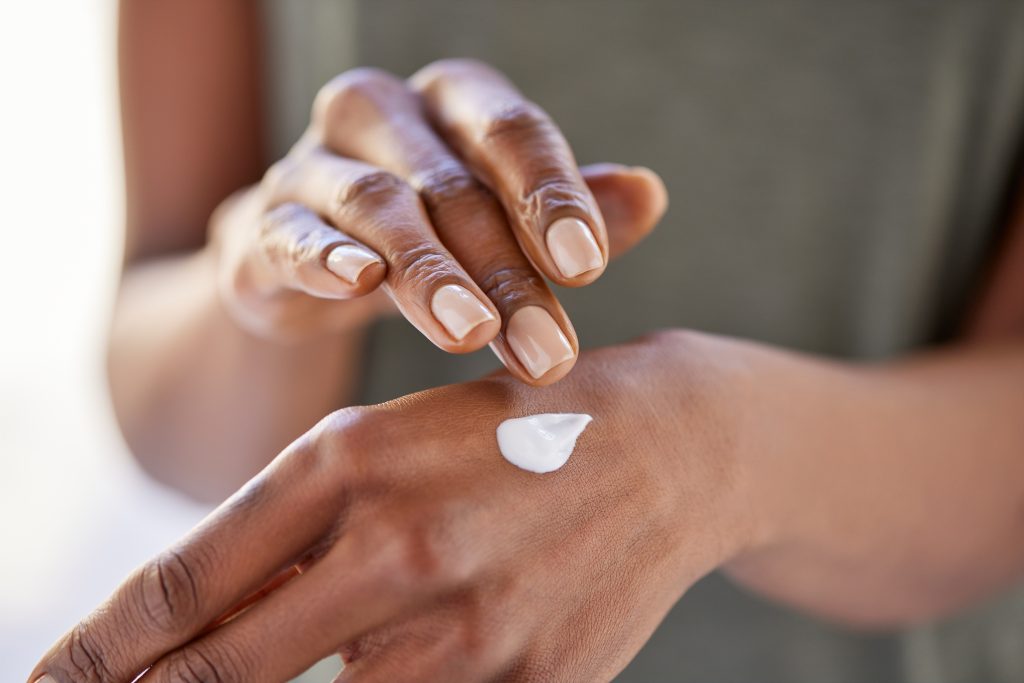
A key pillar of nail recovery after gel is maintaining moisture. Hydration restores flexibility, especially in nails that have lost natural oils. Daily application of a rich hand cream on skin and nails—after cleansing or strength treatment—locks in hydration.
As an intensive booster, wear moisture-sealed cotton gloves overnight, after applying a thick cream, to supercharge the hydration process. This method allows moisture to deeply penetrate and rebalance the nail and surrounding skin.
Preventing Setbacks
Protection & Maintenance
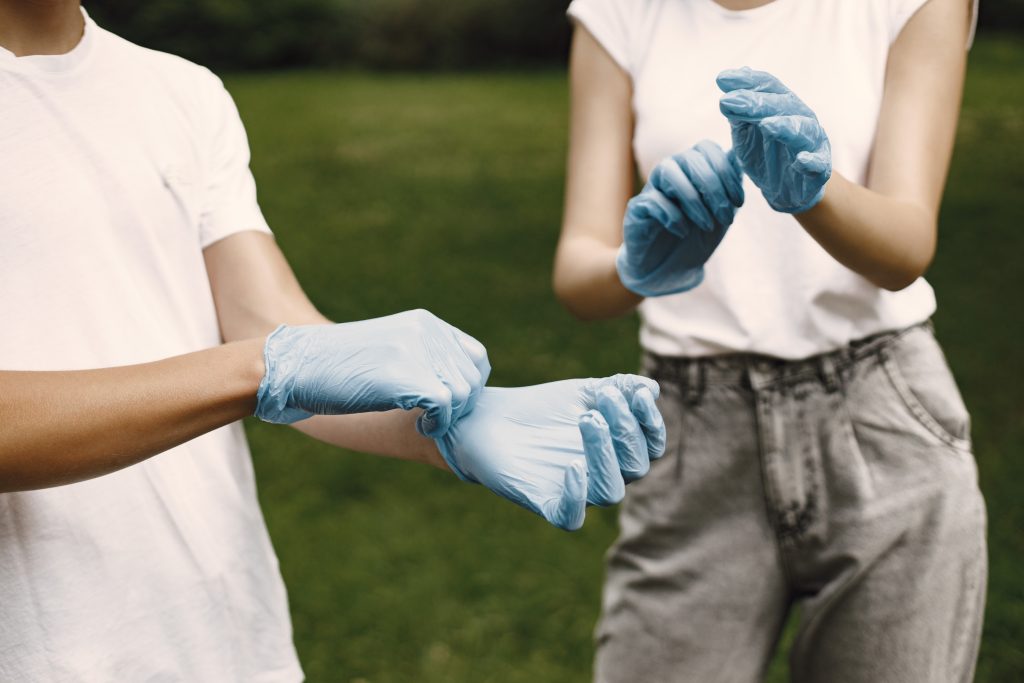
Throughout nail recovery after gel, protecting your nails from damage is essential. Avoid using your nails as tools, minimize exposure to harsh chemicals and always wear gloves during household tasks. If you’re applying polish, opt for breathable formulas or strengtheners that support healing.
For maintenance, file and trim your nails weekly. This prevents snags and reduces the likelihood of splits or breaks. Daily hydration and bi-weekly strength treatment help maintain the gains you’ve built in the early stages of recovery.
Real Results from Real Users
Community Feedback
Experienced nail enthusiasts consistently emphasize hydration and consistency:
“It took a few weeks of daily cuticle oil and earmarked weekly strength treatments before I noticed improved flexibility. Now I can skip salon visits longer without breakage.” — Reddit nail care community member
“Using gloves during chores and applying rich hand lotion before bed made a big difference—no more peeling or brittle edges.” — DIY nail-care advocate
These firsthand accounts highlight how intentional care over time transforms weak nails into strong, more resilient ones.
FAQs
What is the best nail care routine for beginners?
A great nail care routine for beginners includes basic steps like cleaning, trimming, hydrating with hand cream or nail oil, gently pushing back cuticles, and applying a strengthening base coat. Start with once-a-week maintenance and adjust as needed.
How often should I moisturize my hands and nails?
Ideally, you should moisturize your hands and nails at least twice a day—once in the morning and once before bed. If you frequently wash your hands or use sanitizers, apply hand cream more often to prevent dryness.
Why are my nails always breaking or peeling?
Brittle or peeling nails can be due to dehydration, overuse of polish remover, lack of essential nutrients, or environmental factors like cold weather. Adding a strengthening treatment and moisturizing regularly can help improve nail health.
Do I really need cuticle oil in my nail care routine?
Yes. Cuticle oil plays a vital role in a nail care routine by keeping the skin around the nails soft and promoting healthy growth. It also protects against hangnails and cracked skin.
How can I protect my nails when using household cleaners?
Always wear gloves when cleaning or washing dishes. Chemicals in cleaners and prolonged exposure to water can weaken nails and dry out your hands.
What products are best for daily nail care maintenance?
Some essentials include a gentle hand soap, nourishing hand cream, cuticle oil, a strengthening base coat and a glass file. Look for products with hydrating ingredients like shea butter, glycerin, or vitamin E.
How long does it take to see results from a nail care routine?
You may start noticing softer cuticles and smoother nails within a few days, but stronger and longer nails typically take 3–4 weeks of consistent care to show visible results