
Toner is one of those skincare products that people either swear by or completely skip—and the confusion is real.
Is it a refreshing mist, a deep-cleaning step, or just an old-school leftover from the ’90s? With so many formulas promising everything from glowing skin to tighter pores, it’s easy to wonder: is toner truly a skincare essential or just another overhyped trend? In this blog, we’ll uncover what toner really does, who needs it, and why it might just be the missing piece in your routine.
What Exactly Is Toner?
At its core, a toner is a water-based liquid used after cleansing and before moisturizing to prep the skin for better absorption of skincare products. Historically, toners were primarily designed to remove leftover cleanser, dirt, or oil—especially when bar soaps and harsh astringents were commonly used. These older formulations often included alcohol and could leave the skin feeling tight or stripped.
However, modern toners have evolved significantly. Today, they are formulated with beneficial ingredients like antioxidants, humectants (which draw moisture into the skin), acids for gentle exfoliation, and botanical extracts for calming irritation. The new generation of toners caters to every skin type—dry, oily, sensitive, acne-prone—and can address multiple concerns, from dullness and dehydration to enlarged pores and uneven texture.
Some toners come in liquid form to be applied with a cotton pad, while others are sprays or mists designed for a quick refresh throughout the day. Unlike the alcohol-heavy formulas of the past, contemporary toners often feature skin-loving ingredients like rose water, hyaluronic acid, niacinamide, and AHAs/BHAs.
Is Toner Really Necessary?
The short answer: not always, but for many, it can be incredibly beneficial. Whether or not you need toner depends on your skin type, the condition of your skin barrier, and the other products in your routine.
Toner isn’t considered a foundational skincare product like cleanser, sunscreen, or moisturizer, but it acts as a valuable “bridge” between cleansing and treatment steps. If you’re using a gentle cleanser and already applying effective serums or moisturizers, you may not notice a huge difference without toner. But if your skin feels dry, tight, or flaky after cleansing—or if you want to target specific issues like clogged pores or redness—a well-formulated toner can improve your skin’s resilience, hydration, and texture.
For example:
- Oily or acne-prone skin may benefit from exfoliating toners with salicylic acid or witch hazel to reduce breakouts and congestion.
- Dry or sensitive skin can use hydrating toners with glycerin, aloe vera, or hyaluronic acid to relieve tightness and restore moisture.
- Combination skin can benefit from balancing toners that hydrate while gently controlling oil production.
What Does Toner Actually Do?
Let’s clear up the confusion. A well-formulated toner can:
- Remove residual makeup or cleanser
- Rebalance your skin’s pH
- Prep your skin to better absorb serums and moisturizers
- Provide targeted benefits (hydration, soothing, exfoliation, brightening)
- Refresh your skin during the day (especially mists)
So, while it might look and feel like just water, the right toner can make a noticeable difference in your skin’s texture and tone over time.
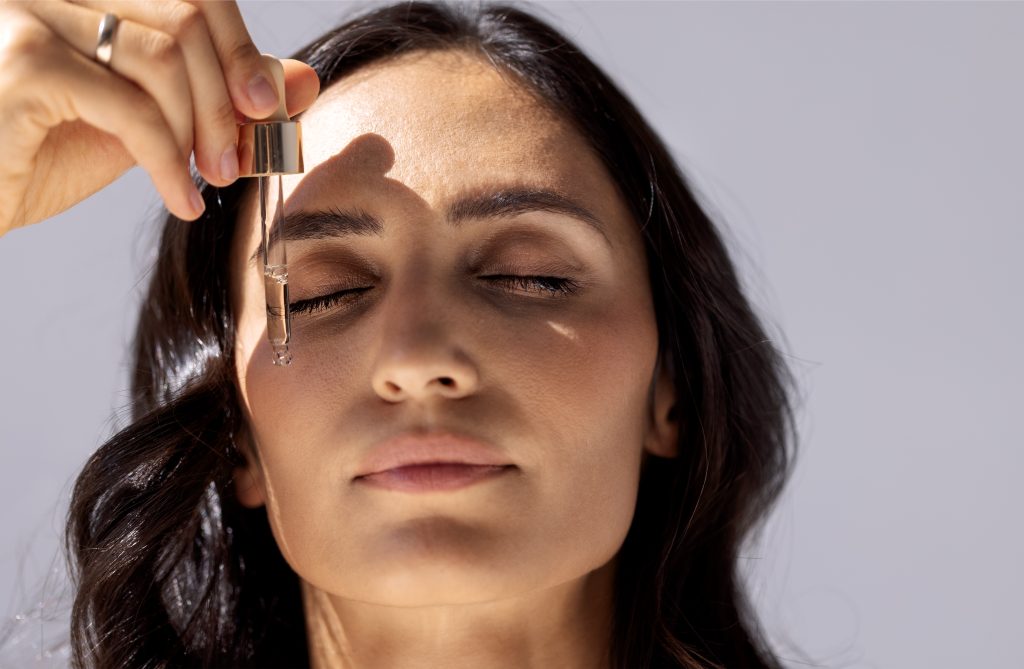
How Do You Use Toner?
Many people wonder when and how to use toner within their routine. Here’s a step-by-step guide:
- Cleanse Your Skin
Begin by washing your face with a gentle cleanser suited to your skin type. - Apply Toner
- With a cotton pad: Soak a cotton round with toner and swipe gently across your face, avoiding the eye area.
- With your hands: Pour a few drops into your palms and pat it into your skin.
- Spray/mist: Close your eyes and spritz evenly over your face.
- Let It Absorb
Allow the toner to dry down slightly—this usually takes less than a minute. - Continue with Serums and Moisturizers
Apply the rest of your products while your skin is still slightly damp for optimal absorption.
When to use: Most toners are suitable for morning and evening use. However, if the formula includes active ingredients like glycolic acid or retinol alternatives, once per day or every other day may be more appropriate.
What Kind of Toner Should You Choose?
Not all toners are created equal. Choose based on your primary skin concern:
- Dry Skin: Look for hydrating and alcohol-free formulas with ingredients like hyaluronic acid, glycerin, aloe vera, rose water, or panthenol.
- Oily and Acne-Prone Skin: Choose exfoliating or clarifying toners with salicylic acid, niacinamide, witch hazel, or tea tree oil.
- Sensitive or Redness-Prone Skin: Seek calming ingredients such as chamomile, calendula, green tea, or centella asiatica (cica).
- Combination Skin: A lightweight toner with balancing properties—such as niacinamide or lactic acid—can help manage oiliness without drying out other areas.
- Dull or Uneven Skin Tone: Brightening toners with vitamin C, licorice root, or mild AHAs like glycolic or lactic acid are great choices.
Avoid toners with high concentrations of alcohol (often listed as SD alcohol or denatured alcohol), as these can strip the skin and damage its protective barrier—especially for dry or sensitive skin types.ip the skin and disrupt its natural barrier—especially for dry or sensitive types.
Common Toner Myths – Debunked
✖ Myth 1: “Toners are only for oily skin.”
Reality: While early toners were often astringent, modern options are available for every skin type—including dry and sensitive skin.
✖ Myth 2: “If it stings, it’s working.”
Reality: Tingling or burning is not a sign of effectiveness. It usually signals irritation, especially if your skin barrier is compromised.
✖ Myth 3: “Toners are just overpriced scented water.”
Reality: High-quality toners contain powerful ingredients like AHAs, antioxidants, or humectants that actively improve skin health. The formula—not the format—is what determines effectiveness.
So, Is Toner a Game-Changer or Just Hype?
Toner isn’t just a leftover step from a 1990s skincare routine—it has redefined its place in modern skincare as a multi-functional, results-driven product. While not strictly essential, the right toner can amplify your skincare regimen by balancing, prepping, and enhancing the performance of other products. For many, it becomes the secret weapon for glowing, balanced skin.
If you’re unsure where to start, choose a toner based on your skin type and concerns, and always patch-test new products to ensure compatibility. Once you find a formula that works for you, you may wonder how you ever lived without it.
FAQ
Is this liquid step essential for every skincare routine?
Not necessarily. While not a mandatory step, it can offer valuable support depending on your skin’s needs. Those with oily, dry, acne-prone, or dull complexions may benefit most when using a product that’s tailored to address specific concerns.
Can I skip this part if I already use a serum and moisturizer?
You can—but including it might improve how well your skin absorbs the rest of your products. It often acts as a prep step, helping to condition your skin and allowing treatments to penetrate more effectively.
Are these solutions only for people with blemishes or excessive oil?
That’s a common misconception. There are formulas designed for nearly every skin type—whether your skin is dry, sensitive, mature, or combination. The key is choosing the right one with supportive ingredients like humectants, antioxidants, or gentle exfoliants.
How do I know if the post-cleanser I’m using is too harsh?
If your skin feels tight, stings, or becomes overly dry afterward, the formula may be too astringent. Look for alcohol-free versions or ones that include hydrating and calming ingredients like aloe vera, glycerin, or chamomile.
Can I make my own version at home?
While DIY options exist, they’re not always stable or safe. Store-bought formulas undergo testing to ensure pH balance, shelf life, and skin compatibility. If you do try a homemade blend, patch test first and avoid harsh ingredients like undiluted vinegar or essential oils.