






Foot Scrubs That Will Change Your Feet Forever
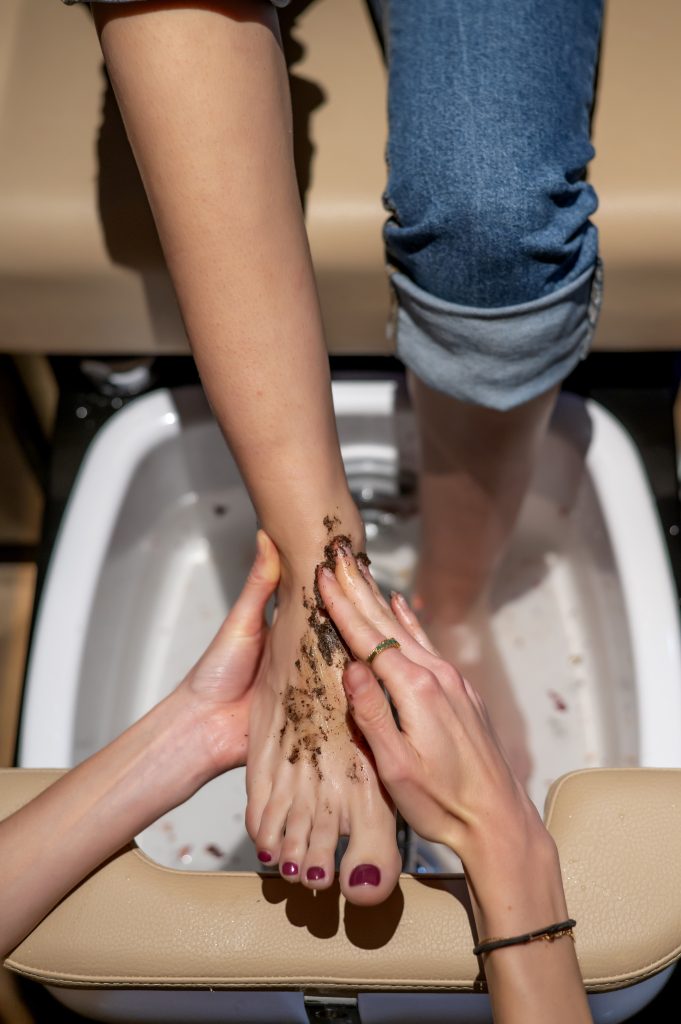
Although they’re often overlooked, foot scrubs are essential for maintaining soft, healthy feet.
Daily wear and tear, combined with pressure and friction, lead to hardened skin, calluses, and dullness. Regular exfoliation with a foot scrub helps shed dead skin cells, stimulate blood circulation, and even enhance the absorption of moisturizers. Whether you’re on your feet all day or simply want a self-care boost, a foot scrub adds noticeable improvement to the way your feet look and feel—smooth, clean, and fresh.
How Foot Scrubs Actually Work
At the heart of every good foot scrub is exfoliation. These products are designed to remove layers of dead skin while nourishing and hydrating the fresh skin beneath. Most scrubs achieve this through physical exfoliants like sugar or salt, combined with emollient-rich oils and soothing botanical extracts.
Key elements include:
- Exfoliants (e.g., sugar, salt, pumice): Remove rough, dead skin
- Carrier Oils (e.g., coconut oil, almond oil): Moisturize and soften
- Essential Oils (e.g., peppermint, tea tree): Offer antifungal or refreshing effects
- Additional ingredients like vitamin E, shea butter, or honey enhance skin repair and hydration
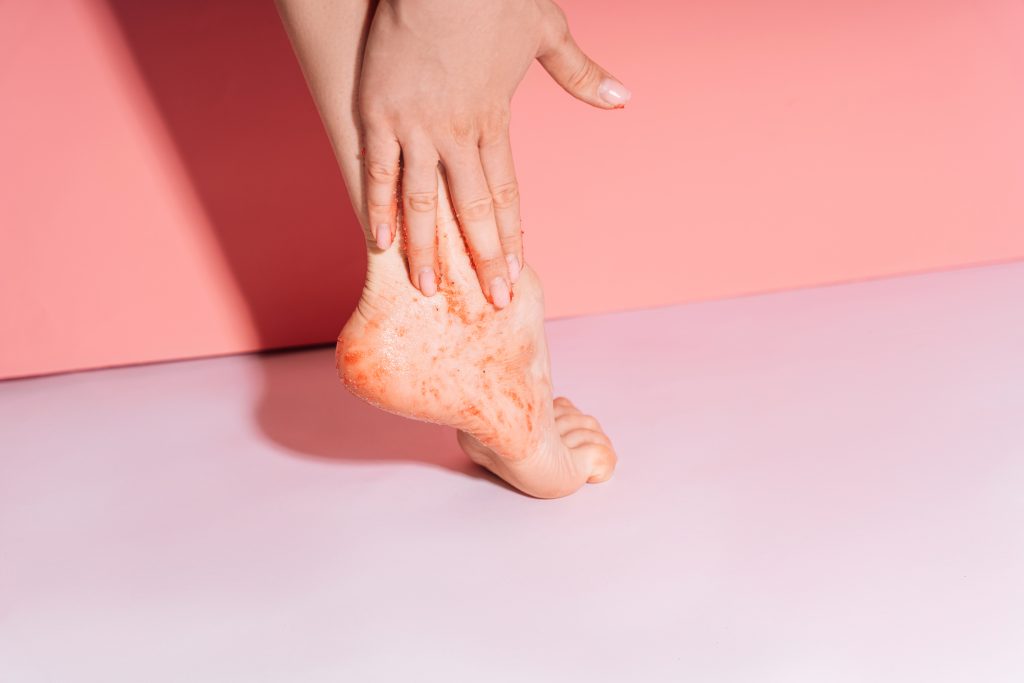
Different Types of Foot Scrubs Explained
| Type of Scrub | Best For | Texture | Main Benefit |
|---|---|---|---|
| Salt Scrub | Heavily callused feet | Coarse | Deep exfoliation |
| Sugar Scrub | Sensitive or dry skin | Fine to medium | Gentle polishing + hydration |
| Pumice Scrub | Thick, rough skin | Gritty | Callus removal |
| Oil-Based Scrub | Dull or dehydrated feet | Soft & creamy | Hydration + glow |
| Clay or Mud Scrub | Detoxifying and deodorizing | Thick & creamy | Pulls out impurities |
Choosing the right scrub can maximize your results—salt scrubs are great for deep exfoliation, but gentler options like sugar or oil-based ones work wonders for sensitive or dry skin.
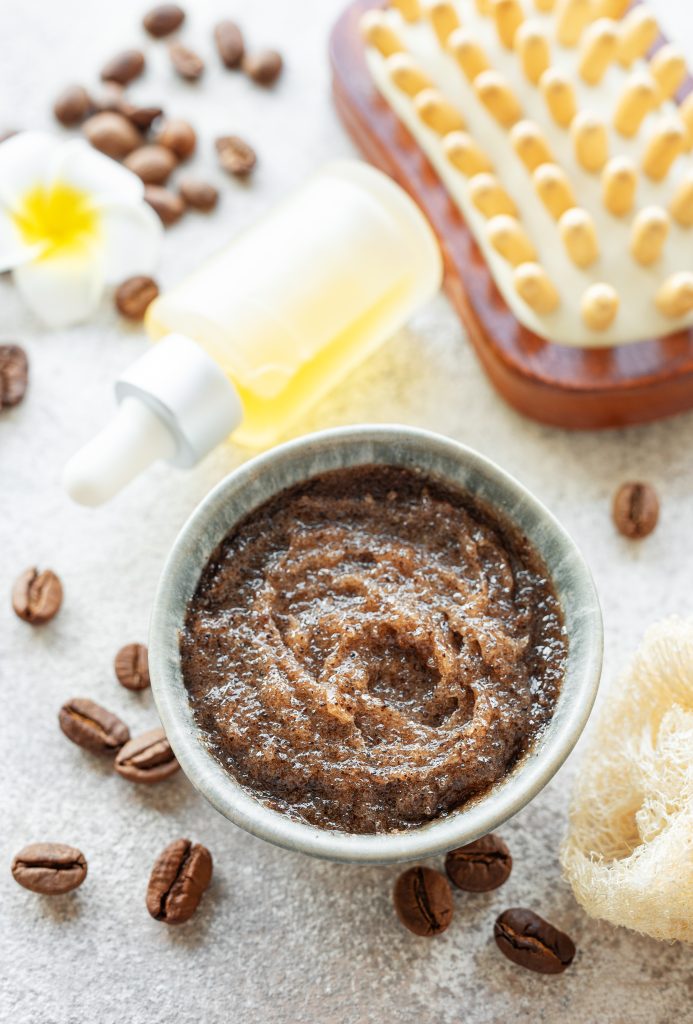
Top Benefits of Regular Use
Using a foot scrub two to three times per week provides several noticeable benefits:
- Softens rough patches: Say goodbye to hardened heels and dry toes.
- Boosts circulation: Massaging the scrub into your feet stimulates blood flow, promoting healthier skin.
- Enhances moisture absorption: Exfoliated skin drinks up moisturizers better.
- Improves overall appearance: Your feet will look cleaner, brighter, and more polished.
- Reduces foot odor: Scrubbing eliminates buildup and bacteria that can cause odor.
Over time, your feet will not only look better—they’ll feel rejuvenated, too.
When and How to Use a Foot Scrub
Follow this easy routine for the best results:
- Soak your feet in warm water for 10–15 minutes to soften the skin.
- Apply the scrub to wet feet, focusing on heels, soles, and around toes.
- Massage in circular motions for 2–3 minutes. Apply a bit more pressure to rough areas.
- Rinse thoroughly with lukewarm water.
- Pat dry and immediately follow with a foot cream or oil.
- Use 2–3 times per week, or as needed depending on skin condition.
Pro Tip: For cracked heels, wear socks after moisturizing to lock in hydration overnight.
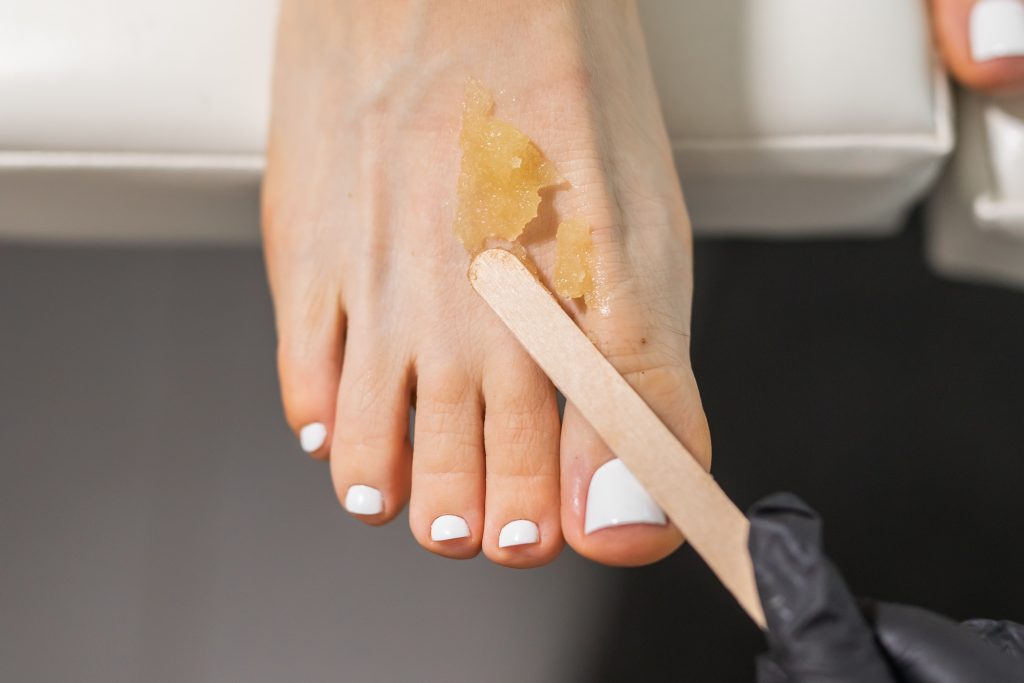
Store-Bought vs. DIY Foot Scrubs
| Factor | Store-Bought Foot Scrubs | DIY Foot Scrubs |
|---|---|---|
| Convenience | Ready to use, consistent results | Requires preparation and ingredients |
| Customization | Limited to brand formula | Highly customizable |
| Shelf Life | Longer with preservatives | Shorter due to natural ingredients |
| Effectiveness | Often includes targeted skincare benefits | Depends on ingredients used |
| Price | Varies from affordable to high-end | Generally inexpensive |
Conclusion: Both are effective—but if you want a quick, reliable option with added skincare benefits, a store-bought scrub is ideal. For budget-friendly or all-natural alternatives, DIY options work well, especially for regular maintenance.
Mistakes to Avoid When Using Foot Scrubs
Even with the best foot scrub, using it incorrectly can hinder your results. Here’s what to avoid:
- Over-scrubbing – Too much exfoliation can cause irritation or even microtears in the skin.
- Using on dry skin – Always moisten feet before applying a scrub to prevent abrasion.
- Skipping moisturizer – Failing to hydrate post-scrub can lead to dry, flaky skin.
- Neglecting toes and edges – Pay attention to often-missed areas.
- Not cleaning tools – If you use a pumice stone or brush, clean it regularly to avoid bacteria buildup.
FAQ
What is the best time to use a foot scrub—before or after showering?
For best results, use a foot scrub after soaking your feet or after a warm shower when the skin is soft and more receptive. This allows the exfoliating particles to work deeper and more gently.
Are foot scrubs safe for diabetics?
Diabetics should be cautious with any exfoliation, as the skin on the feet can be more sensitive or prone to injury. It’s best to consult with a podiatrist before using any scrub, especially those with rough grains or strong active ingredients.
Can a foot scrub help with foot odor?
Yes! Foot scrubs remove dead skin cells and unclog pores, helping reduce bacteria build-up, which is a common cause of odor. Look for scrubs with ingredients like tea tree oil or peppermint for an added antibacterial and refreshing effect.
What’s the difference between a foot scrub and a foot peel?
A foot scrub exfoliates the outer layer of skin using physical abrasives (like salt or sugar), providing immediate smoothness. A foot peel, on the other hand, contains acids like glycolic or lactic acid that cause dead skin to shed over several days, offering deeper exfoliation but delayed results.
Do foot scrubs remove calluses?
Foot scrubs can reduce calluses over time but might not fully eliminate thick or stubborn ones. For intense calluses, combine scrubs with manual exfoliation tools or professional pedicures for best results.
Should I soak my feet before or after using a scrub?
Before. Soaking softens the skin and prepares it for exfoliation. It also helps open up pores, making the scrub more effective. Use warm water and consider adding Epsom salts for extra soothing.
More for your beauty mood

How to Use Therabath Paraffin Warmers at Home
Therabath Paraffin Warmers bring the spa experience right into your home, offering a soothing way to care for your skin and relieve everyday aches. Whether you’re…

Best Hand Creams for Dry Hands and Cuticles
Hand creams are more than just a seasonal luxury—they are essential for maintaining soft, healthy hands and well-conditioned cuticles throughout the year. Whether you're dealing with…

Heel Repair Made Easy with Voesh Solemate Duo
When it comes to achieving smooth, crack-free heels, the Voesh Solemate Duo offers an effortless and effective solution. Designed with both comfort and care in mind,…