
Concealer mistakes can make or break your entire makeup look.
Whether you’re aiming to hide dark circles, blemishes, or redness, using concealer incorrectly can highlight imperfections instead of disguising them. In this guide, we’ll walk you through the most common concealer mistakes people make and show you exactly how to fix them. From selecting the wrong shade to skipping essential prep steps, we’re covering it all to help you achieve a smooth, flawless finish every time.
Using the Wrong Shade of Concealer
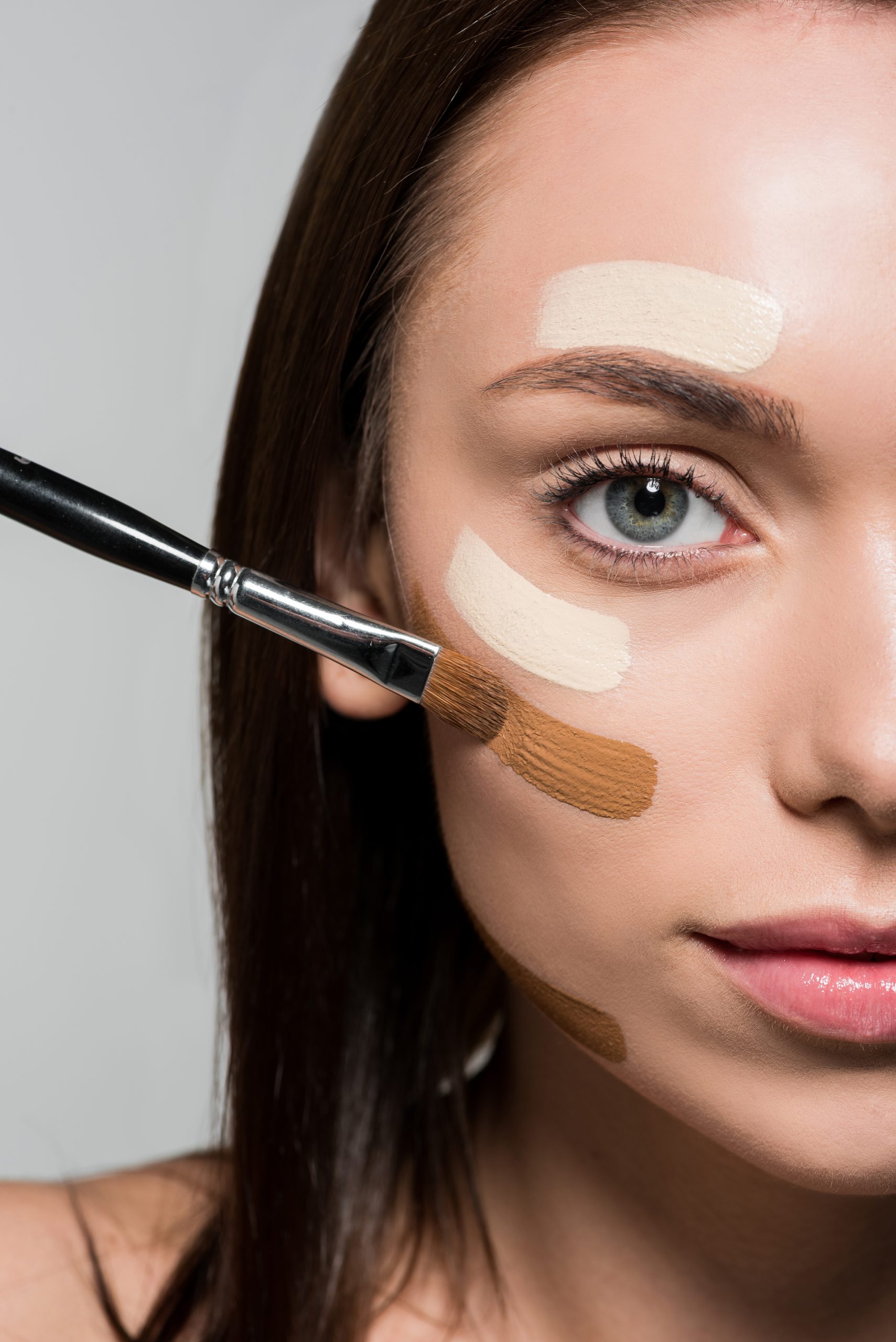
Choosing the wrong shade is one of the most frequent concealer mistakes. A shade that is too light can create a ghostly, ashy effect, while one that is too dark may not provide the coverage you need, especially when trying to mask hyperpigmentation or blemishes.
How to Fix It:
- For under-eye circles, choose a concealer one to two shades lighter than your foundation. This helps brighten the area without exaggerating puffiness.
- For blemishes or redness, select a concealer that matches your skin tone exactly to blend seamlessly.
- Use color-correcting concealers before your regular one. Peach or orange works for blue-toned dark circles, green cancels redness, and yellow tones correct dullness.
Always test concealer shades in natural light, ideally on your jawline or inner arm, to get the most accurate match.


Skipping Skin Prep
Neglecting to prep your skin is a concealer mistake that can lead to patchiness, uneven texture and product settling into fine lines.
How to Fix It: Start with a clean, exfoliated face. Hydration is key—apply a lightweight eye cream to prevent dryness and creasing under the eyes. Follow with a primer suited for your skin type to create a smooth base. This step not only enhances the longevity of your concealer but also makes blending easier and more effective.
Pro tip: Let your skincare absorb for a minute before applying makeup to avoid product pilling.
Applying Too Much Product
More isn’t always better when it comes to concealer. Over-application can cause your makeup to look cakey, settle into fine lines, and draw more attention to problem areas rather than disguising them.
Better Application Tips (Table Format):
| Area | Amount to Use | Application Tool | Additional Tip |
|---|---|---|---|
| Under Eyes | Small dots (1-2) per eye | Damp beauty sponge or brush | Start at the inner corner and blend outward |
| Blemishes | Pinpoint amount | Small concealer brush | Dab, don’t rub, to maintain coverage |
| Redness | Thin layer | Fingers or sponge | Press gently to build coverage without caking |
Use a light tapping motion to blend, as dragging the product can remove coverage and irritate sensitive areas.
Not Letting Your Concealer Set
Another common concealer mistake is skipping the setting step. Unset concealer can shift, crease, or wear off—especially in high-movement areas like around the eyes and mouth.
How to Fix It:
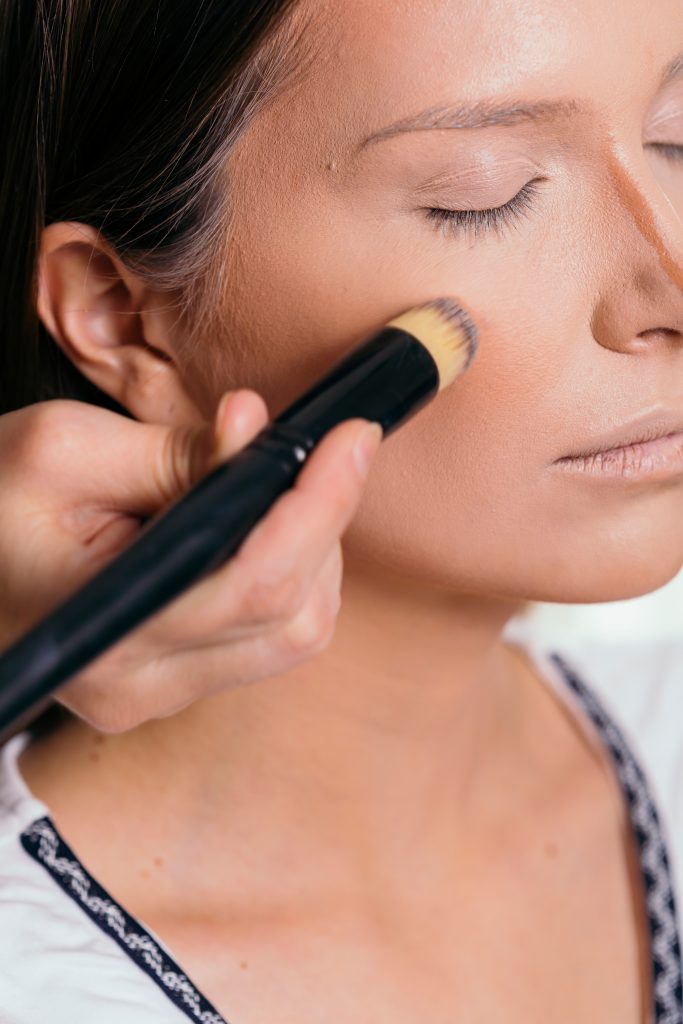
- Use a lightweight, finely-milled translucent powder to lock in the concealer without making it look dry.
- Lightly press the powder onto the concealed areas using a puff or small fluffy brush, rather than sweeping it across.
- For dry or mature skin, a hydrating setting spray may work better to hold the product without emphasizing texture.
Bonus Tip: Bake under the eyes for a few minutes if you need long-lasting wear for special occasions.

Ignoring Your Skin Type
Applying concealer without considering your skin type can sabotage your efforts, leading to separation, flaking, or an oily mess.
How to Fix It (List Format):
- Oily Skin: Use oil-free, long-wearing formulas. Look for words like “matte” or “shine control” on the label. Always set with powder.
- Dry Skin: Hydrating, creamy concealers with ingredients like hyaluronic acid or glycerin are ideal. Avoid powders that may emphasize dryness.
- Combination Skin: Customize your application—use mattifying concealer on your T-zone and a more moisturizing formula under the eyes.
- Mature Skin: Choose lightweight, flexible formulas with a radiant finish. Avoid thick, matte concealers that settle into fine lines.
Understanding your skin’s needs is essential for a natural, seamless look that lasts throughout the day.
Concealing Before Foundation
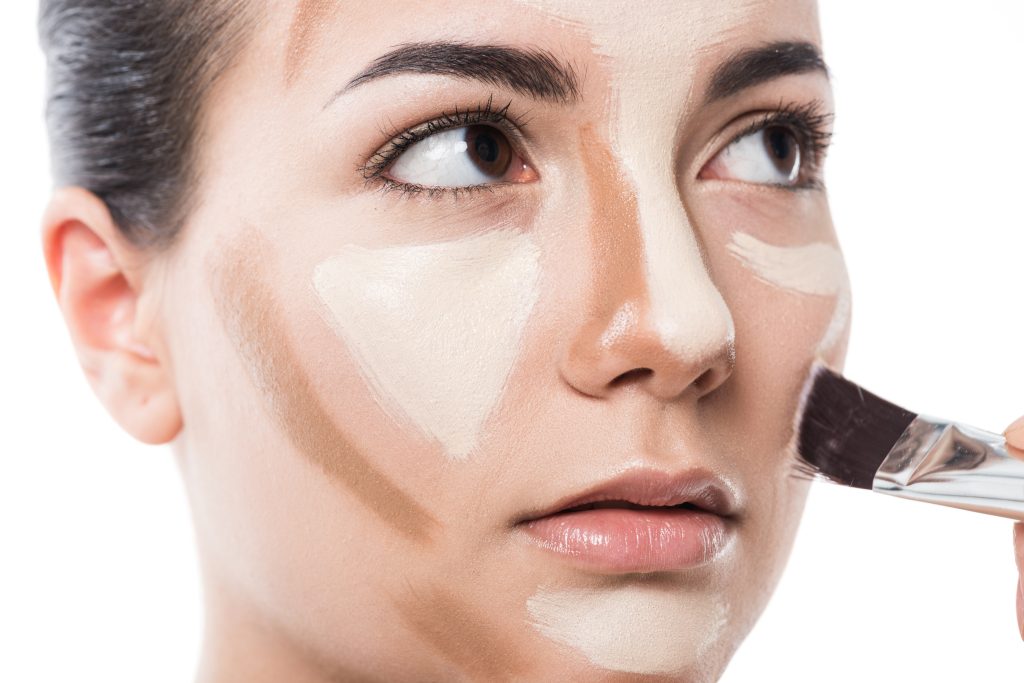
Although it might seem intuitive to conceal imperfections first, applying concealer before your foundation can cause it to shift or become diluted when layering products.
Why Foundation Should Come First: Foundation helps even out your complexion and often provides enough coverage to minimize redness and small blemishes on its own. Applying concealer afterward allows for more precise correction with less product.
When to Conceal First:
- If you’re using a color corrector, apply it under foundation to neutralize tones without showing through.
- For very light coverage foundations or tinted moisturizers, pre-concealing can help boost overall coverage without over-applying base products.
Think of concealer as your final touch, not your starting point—unless color correction is involved.
Using the Wrong Tools
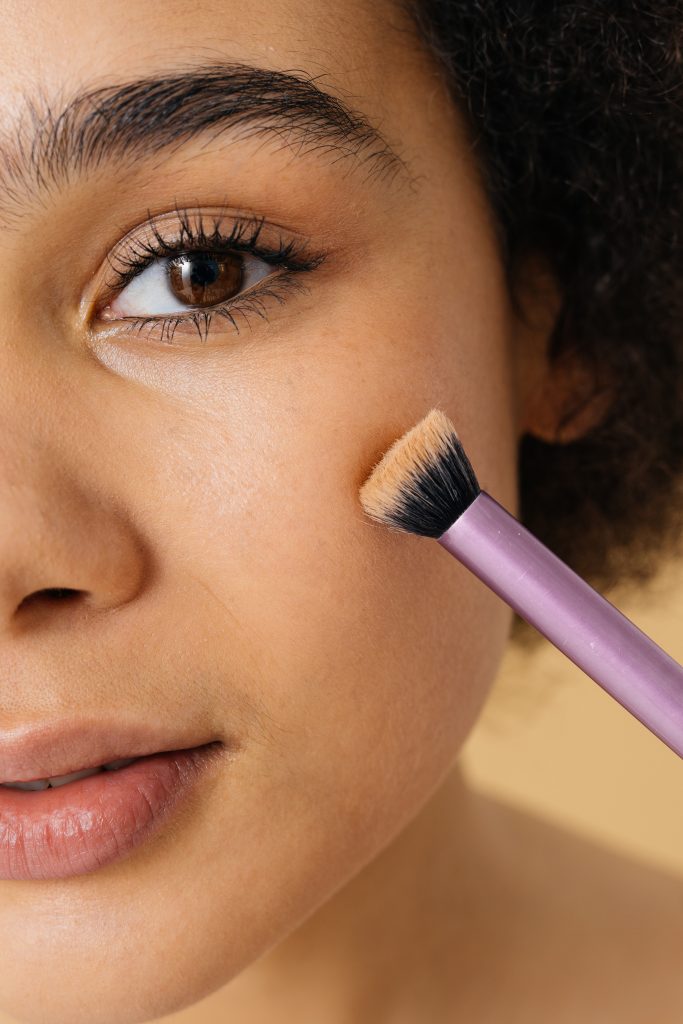
Using your fingers for everything may seem convenient, but it’s often not ideal for achieving a polished result. The wrong tools can cause streaking, poor blending, or unhygienic application.
Best Tools for Different Needs:
- Damp sponge: Provides an airbrushed, natural look and prevents product buildup.
- Flat concealer brush: Perfect for precision, especially when covering spots or shaping brows.
- Fingers: Great for warming up and melting cream formulas into the skin—best for light touch-ups.
Each tool offers a different finish and level of control. Choosing the right one depends on your skin type, the product formula, and the area you’re working on.
FAQ
Why does my concealer crease under my eyes?
Creasing is one of the most common concealer mistakes and usually happens due to over-application, lack of skin prep, or skipping setting powder. To avoid this, hydrate the under-eye area, apply a thin layer of concealer, and set it with a finely-milled translucent powder.
How can I avoid my concealer looking cakey?
A cakey finish typically results from layering too much product or using a formula that doesn’t suit your skin type—both are classic concealer mistakes. Use a minimal amount, blend it properly, and select a texture that works with your skin (e.g., hydrating for dry skin, matte for oily skin).
What’s the right order—concealer or foundation first?
Applying concealer before foundation is one of the most common concealer mistakes unless you use a color corrector. Generally, foundation should come first to create an even base, allowing you to use less concealer afterward for more precise coverage.
How do I pick the correct concealer shade?
Selecting the wrong shade is a frequent concealer mistake. For under eyes, go 1–2 shades lighter than your foundation; for blemishes, match your exact skin tone. Always test shades in natural lighting before committing.
Is it okay to apply concealer with fingers?
It’s not necessarily wrong, but relying solely on your fingers can lead to uneven application—a subtle concealer mistake. For best results, use tools like a damp sponge or brush for specific areas and a more refined finish.