

Greasy hair can show up at the worst possible time—before a meeting, a date or even just when you want to feel your best.
While washing your hair may seem like the obvious solution, it’s not always practical or necessary. Luckily, there are effective ways to fix greasy hair without washing it. In this guide, we’ll explore practical tips, expert-recommended techniques, and clever tricks that help you refresh your roots, boost volume, and restore confidence in minutes—no water required.
Why Does Hair Get Greasy So Quickly?
Before jumping into the solutions, it’s helpful to understand why greasy hair happens. Here’s a quick breakdown:
| Causes | Description |
|---|---|
| Overactive Sebaceous Glands | Produces excess sebum, which gives hair a greasy look and feel. |
| Product Buildup | Styling products can leave residue that attracts dirt and oil. |
| Touching Hair Frequently | Transfers oil from hands to strands, especially at the roots. |
| Skipping Brushes or Combs | Prevents even distribution of oils throughout the hair. |
| Hormonal Changes or Diet | Certain life stages and eating habits can increase oil production. |
Understanding these root causes helps you tailor your approach when trying to manage greasy hair without washing it.
Use Dry Shampoo (Your Best Friend for Greasy Hair)
One of the fastest and most effective ways to tackle greasy hair is with a good dry shampoo. It instantly absorbs oil, adds volume, and leaves your scalp feeling refreshed.
Steps for Best Results:
- Shake the bottle well before use.
- Section your hair, especially around the crown and part line.
- Spray about 6–8 inches away from the roots.
- Wait 2–3 minutes to let it absorb oil.
- Massage or brush through your hair to blend in the powder.
💡 Pro Tip: If you don’t have dry shampoo, baby powder or cornstarch can work in a pinch—just be cautious with darker hair as it can leave a white cast.


Style Strategically to Disguise Greasy Roots
If you’re dealing with greasy hair but don’t have time to fix it fully, the right hairstyle can make a huge difference.
Best Hairstyles for Greasy Hair:
- Sleek ponytail: Grease actually helps tame flyaways.
- Braids: French or Dutch braids hide oily roots well.
- Messy bun: The texture from grease adds grip.
- Headbands or Scarves: Stylish accessories that double as cover-ups.
These styles not only mask greasiness but also turn it into a styling advantage.
Blot Excess Oil with Oil-Absorbing Sheets
Surprisingly, oil-absorbing sheets aren’t just for your face—they work wonders for greasy hair too!
How to Use:
- Grab a blotting paper or even a tissue.
- Gently press it along your scalp, especially near the roots and part line.
- Repeat as needed until the area feels less oily.
This method is excellent on the go and won’t leave any residue behind like dry shampoo might.


Use a Volumizing or Texturizing Spray
Another effective way to revamp greasy hair without washing it is to focus on adding volume. Flat, oily roots are the most obvious sign of grease—so counteract that limpness with a spray that boosts body.
Benefits of Volumizing Sprays:
- Lifts roots and reduces the appearance of oil.
- Gives your hair a freshly styled look.
- Often contains alcohol which helps dry out excess oil.
Apply these sprays to dry roots, then flip your head and massage for a lifted, airy finish.
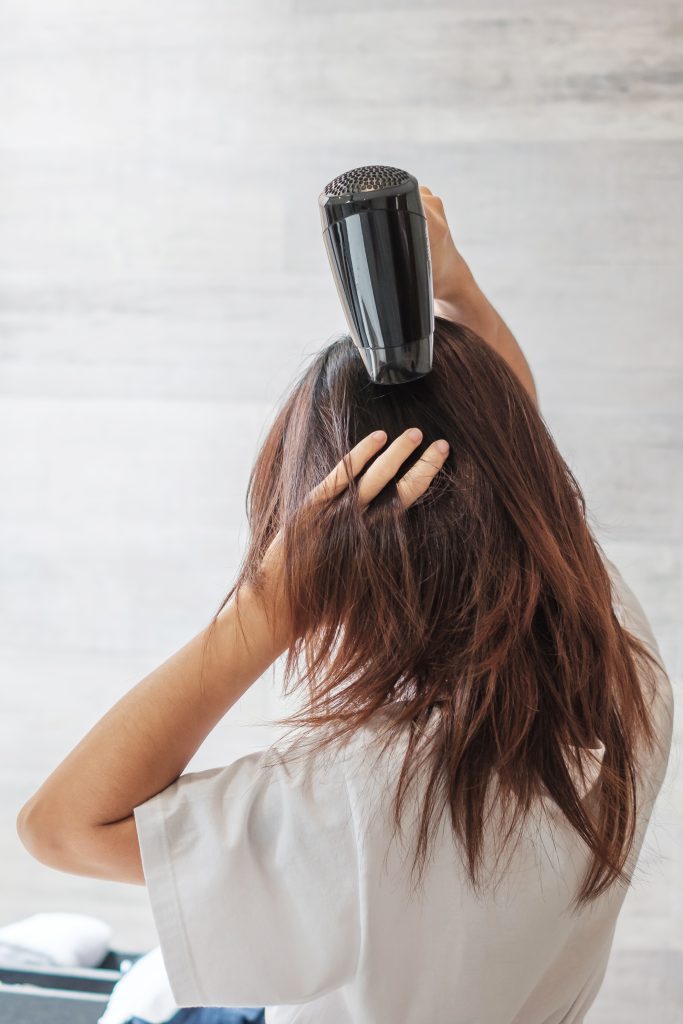
Try a Quick Blow-Dry Refresh
If your hair looks too shiny and your scalp feels heavy, a quick blow-dry can give greasy hair a second wind.
How-To:
- First, apply a light mist of dry shampoo or texturizer.
- Use a round brush while blow-drying your roots.
- Aim the nozzle at the base of your hair for lift and movement.
This method doesn’t just absorb oil—it also creates the illusion of freshly washed hair.
Switch Up Your Part
This may sound too simple to work, but it’s surprisingly effective. A clean part can minimize how greasy hair looks by redistributing oil and adding lift.
Why It Works:
- Hair gets oily at the part line first.
- Switching parts exposes cleaner hair and hides shine.
- It creates visual volume and interest.
Try moving your part from the center to the side, or even try a zigzag for a textured effect.
Keep Your Hands and Tools Clean
To reduce how quickly your hair becomes greasy, you’ll want to be mindful of what you’re touching it with throughout the day.
Tips to Prevent Future Grease Build-Up:
- Avoid over-touching your hair during the day.
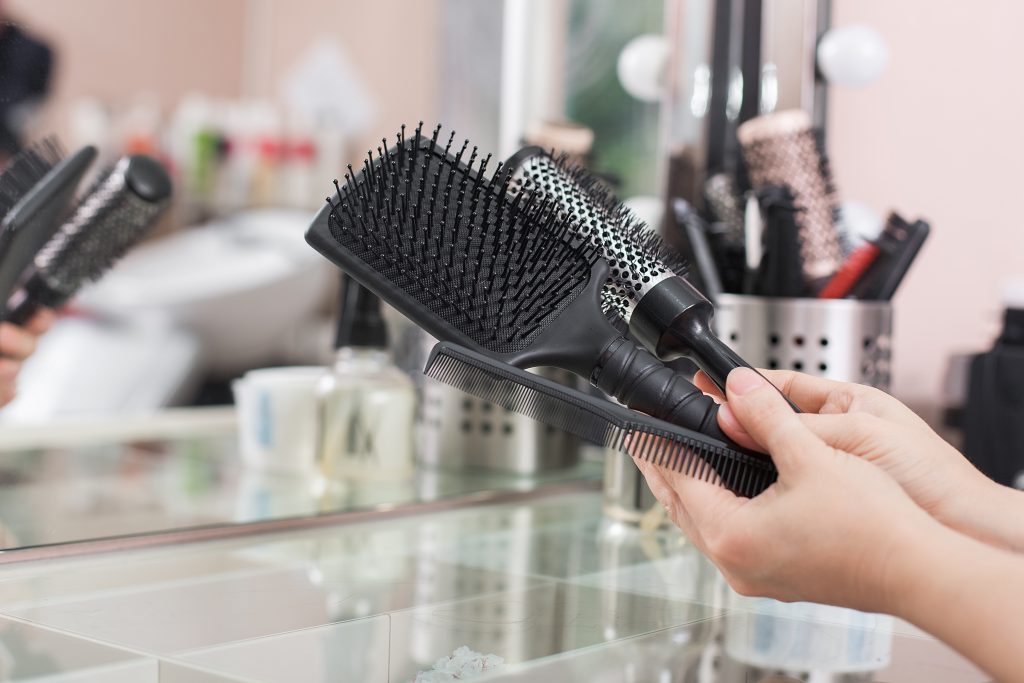
- Clean your brushes weekly to remove oil and product residue.
- Disinfect your phone screen, which often touches your hair during calls.
A bit of prevention goes a long way in keeping your style fresh for longer.
Use a Scalp Refresh Mist or Toner
Special scalp mists or toners can help balance your scalp’s oil production without stripping it completely.
| Product Type | Key Benefits |
|---|---|
| Scalp Mists with Tea Tree | Help to purify and refresh oily scalp conditions. |
| Toners with Witch Hazel | Gently cleanse and rebalance oil production. |
| Cooling Mists | Offer an instant fresh feel and reduce itchiness from excess oil. |
These are perfect for after workouts or hot days when grease builds up faster than usual.
FAQ
Can I use baby powder on greasy hair?
Yes, baby powder can be an effective alternative to dry shampoo for absorbing excess oil. It works by absorbing sebum, similar to cornstarch. However, be cautious when using it on dark hair, as it may leave a white residue. Make sure to blend it well or use a tinted baby powder for darker hair.
How often should I use dry shampoo?
While dry shampoo is a great quick fix for greasy hair, it should not replace regular washing too frequently. It’s best to use it a few times a week at most. Overuse of dry shampoo can lead to product buildup on the scalp, potentially leading to scalp irritation or even more grease production.
Does greasy hair mean my scalp is unhealthy?
Not necessarily. Greasy hair can be caused by several factors, including genetics, hormonal changes, or overactive sebaceous glands. However, if you experience other symptoms like itching, flaking, or redness, it may be a sign of an underlying scalp condition such as dandruff or seborrheic dermatitis. In such cases, it’s a good idea to consult with a dermatologist.
Does greasy hair cause hair loss?
Greasy hair itself doesn’t directly cause hair loss. However, excess oil can clog hair follicles if not properly cleaned, leading to scalp conditions like dandruff or seborrheic dermatitis. In rare cases, this can lead to hair thinning. Regularly cleansing your scalp, even if you’re not washing your hair, can help prevent such issues.
Can greasy hair cause a flaky scalp?
Yes, excess oil can contribute to a flaky scalp, especially if it mixes with dead skin cells. This buildup may lead to dandruff or seborrheic dermatitis. Using an exfoliating scalp treatment can help remove the excess oils and flakes, preventing further irritation.