

Hand soap is your first line of defense against germs, ensuring your hands stay fresh, clean and healthy throughout the day.
Beyond just washing away dirt and bacteria, the right hand soap also nourishes your skin, preventing dryness while leaving behind a soothing and refreshing scent. Whether you’re tackling everyday messes, preparing meals, or simply freshening up, using a quality hand soap makes all the difference in keeping your hands both protected and pampered.
Types of Hand Soaps
- Liquid Hand Soap – Easy to use and hygienic, liquid hand soap comes in various formulas, from moisturizing to antibacterial, making it a popular choice for everyday use.
- Foaming Hand Soap – Dispensing as a light, airy foam, this soap spreads easily and rinses off quickly, making it a favorite for families and kids.
- Bar Soap – A traditional and eco-friendly option, bar soap lasts longer and often contains natural ingredients, perfect for those who prefer a more sustainable choice.
- Antibacterial Hand Soap – Formulated to kill germs and bacteria more effectively, this type is ideal for households looking for extra protection, especially during cold and flu season.
- Moisturizing Hand Soap – Enriched with hydrating ingredients like aloe vera, shea butter, or glycerin, this soap helps keep hands soft and nourished, preventing dryness.
- Fragrance-Free Hand Soap – Designed for sensitive skin, this option avoids artificial fragrances and harsh ingredients, making it a gentle choice for those prone to irritation.
- Natural & Organic Hand Soap – Made with plant-based ingredients and free from harsh chemicals, this eco-conscious choice is great for those who prefer a more natural approach to skincare.
- Exfoliating Hand Soap – Infused with small scrubbing particles like oatmeal or sugar, this soap helps remove dead skin cells while keeping hands smooth and refreshed.

Best Ingredients for Soft and Clean Hands
- Aloe Vera – Known for its soothing and hydrating properties, aloe vera helps prevent dryness and keeps hands feeling soft after every wash.
- Shea Butter – A deeply moisturizing ingredient that nourishes the skin, making it perfect for those with dry or sensitive hands.
- Glycerin – A powerful humectant that attracts moisture, helping to keep hands hydrated and preventing them from feeling tight or rough.
- Coconut Oil – Provides deep hydration while also having natural antibacterial properties, making it a great addition to hand soaps.
- Olive Oil – Rich in antioxidants and vitamins, olive oil helps protect and soften the skin, leaving hands smooth and replenished.
- Honey – A natural humectant with antibacterial benefits, honey locks in moisture while promoting softer and healthier-looking hands.
- Essential Oils (Lavender, Tea Tree, Lemon, etc.) – Not only do they add a pleasant scent, but they also offer antibacterial and soothing properties for a refreshing handwashing experience.
- Oat Extract – Known for its calming and anti-inflammatory benefits, oat extract helps soothe irritated or sensitive skin while keeping hands clean.
- Vitamin E – A powerful antioxidant that helps repair and protect the skin from damage, ensuring hands stay soft and nourished.
- Chamomile Extract – A gentle ingredient that helps calm and soothe the skin, making it ideal for those prone to irritation or sensitivity.
How to Choose the Right Hand Soap
- Consider Your Skin Type
- Dry Skin: Opt for a moisturizing hand soap with ingredients like shea butter, aloe vera, and glycerin to prevent dryness.
- Sensitive Skin: Choose a fragrance-free, hypoallergenic formula with soothing ingredients like oat extract and chamomile.
- Normal Skin: A balanced formula with gentle cleansing properties will work well for daily use.
- Decide Between Liquid, Foaming, or Bar Soap
- Liquid Soap: Offers deep cleansing and often includes moisturizing ingredients.
- Foaming Soap: Lathers quickly and is great for frequent handwashing, especially for kids.
- Bar Soap: A sustainable option that lasts longer and often contains fewer synthetic ingredients.
- Look for Hydrating Ingredients
- To avoid dryness, select soaps enriched with coconut oil, olive oil, honey, or aloe vera for extra nourishment.

- Check for Antibacterial Properties (If Needed)
- While regular soap effectively removes dirt and germs, antibacterial hand soaps with tea tree oil or naturally derived antibacterial agents can provide extra protection.
- Consider Fragrance Preferences
- Scented Soaps: Ideal for those who enjoy refreshing, floral, citrus, or herbal scents.
- Fragrance-Free Soaps: Best for sensitive skin or those who prefer a neutral handwashing experience.
- Choose an Eco-Friendly Option
- Look for biodegradable, sulfate-free, and paraben-free formulas to reduce environmental impact. Refillable bottles or bar soaps with minimal packaging are also great choices.
- Check the Brand’s Reputation
- Opt for well-reviewed brands known for their quality and skin-friendly ingredients to ensure a gentle yet effective cleanse.
Top Hand Soap Brands for Home Use
When it comes to top hand soap brands for home use, several trusted names stand out for their quality and skin-friendly formulas. Dawn Mist offers gentle yet effective cleansing, making it a great everyday choice for the whole family. For those looking for extra care, PODO Expert provides dermatologist-approved formulas that help maintain soft and healthy hands. Meanwhile, Body Drench is well-known for its nourishing ingredients, ensuring hydration while cleansing. Lastly, La Palm combines luxurious scents with deep moisturizing benefits, making handwashing a refreshing experience. With these trusted brands, you can find the perfect hand soap that cleanses while keeping your skin soft and protected.

Additional Hand Care Tips
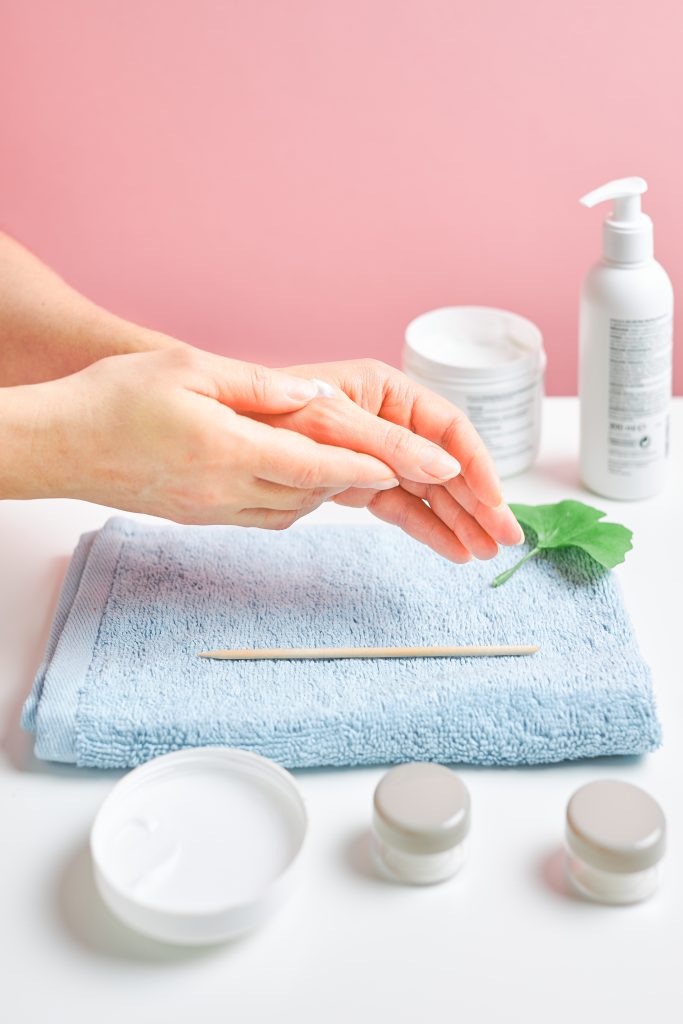
- Moisturize Regularly – Keep hands soft by applying a nourishing hand cream after washing.
- Use Gentle Hand Soap – Opt for moisturizing or sulfate-free formulas to prevent dryness.
- Avoid Hot Water – Lukewarm water cleans effectively without stripping natural oils.
- Exfoliate Weekly – Remove dead skin cells with a gentle hand scrub for smoother skin.
- Protect with Gloves – Wear gloves when cleaning, washing dishes, or in cold weather.
- Hydrate from Within – Drink plenty of water to maintain skin hydration.
- Apply Sunscreen – Protect hands from sun damage by using SPF-infused hand cream.
- Massage Cuticles – Use cuticle oil to keep nails and surrounding skin healthy.
- Limit Harsh Chemicals – Avoid alcohol-based sanitizers and strong detergents when possible.
- Overnight Treatment – Apply a thick moisturizer before bed and wear cotton gloves for deep hydration.
FAQ
Can hand soap expire?
Yes, hand soap does expire. Most liquid and bar soaps have a shelf life of about 2-3 years. Over time, the effectiveness of cleansing agents and added ingredients like moisturizers may diminish.
What’s the difference between hand soap and body wash?
Hand soap is formulated to remove bacteria and dirt from hands, often containing antibacterial agents or stronger cleansers. Body wash, on the other hand, is designed to be more moisturizing and gentle on the skin.
Is bar soap more hygienic than liquid soap?
Both are effective at cleaning hands, but liquid soap is often considered more hygienic for shared spaces since bar soap can accumulate bacteria on its surface.
Why does some hand soap leave a sticky residue?
Some soaps contain thick moisturizers, synthetic additives, or antibacterial agents that may leave a sticky feeling if not rinsed thoroughly. Switching to a lighter formula or rinsing with warmer water can help.
Why does my hand soap sometimes change color or texture?
Exposure to light, air, or temperature changes can cause liquid soap to darken or separate. Natural soaps without preservatives are more prone to these changes, but they are usually still safe to use unless they develop a foul odor or mold.
What’s the difference between sulfate-free and regular hand soap?
Sulfate-free soaps do not contain harsh detergents like SLS (Sodium Lauryl Sulfate), which can strip moisture from the skin. These are gentler options for those with sensitive or dry skin.
Can I make my own hand soap at home?
Yes, you can make DIY hand soap using natural ingredients like castile soap, coconut oil, and essential oils. However, homemade soaps may lack the preservatives needed to maintain long-term effectiveness.