
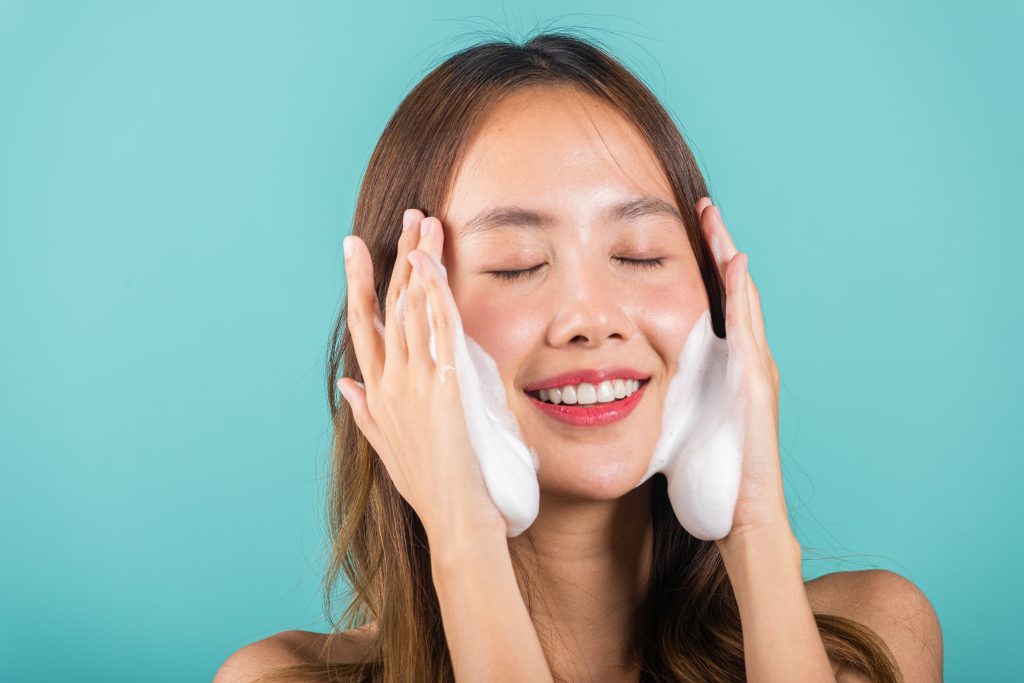
Double cleansing is more than just a skincare trend—it’s a transformative method that can deeply refresh your skin and elevate your cleansing routine.
Rooted in Korean beauty practices, double cleansing involves using two different cleansers, one after the other, to thoroughly remove dirt, oil, sunscreen, and makeup. This method ensures your skin is not only clean but also prepped to absorb skincare products more effectively. At first glance, washing your face twice might seem excessive. However, as more dermatologists and skincare experts recommend the technique, it’s gaining popularity across all skin types. Whether you wear heavy makeup, use SPF daily, or live in a polluted environment, double cleansing could be the skincare upgrade you didn’t know you needed.
How Does Double Cleansing Work?
Double cleansing involves two simple steps:
- Step One – Oil-Based Cleanser:
This first step breaks down oil-based impurities such as makeup, sunscreen, excess sebum, and pollution particles. Oil attracts oil, so this cleanser binds to these impurities and lifts them from the skin without stripping moisture. - Step Two – Water-Based Cleanser:
The second step removes any remaining residue, including sweat, dirt, and any leftover oil cleanser. It ensures the skin is completely clean and fresh.
💡 Important Note: Always follow this order—oil cleanser first, then water-based. Reversing them won’t provide the same results.

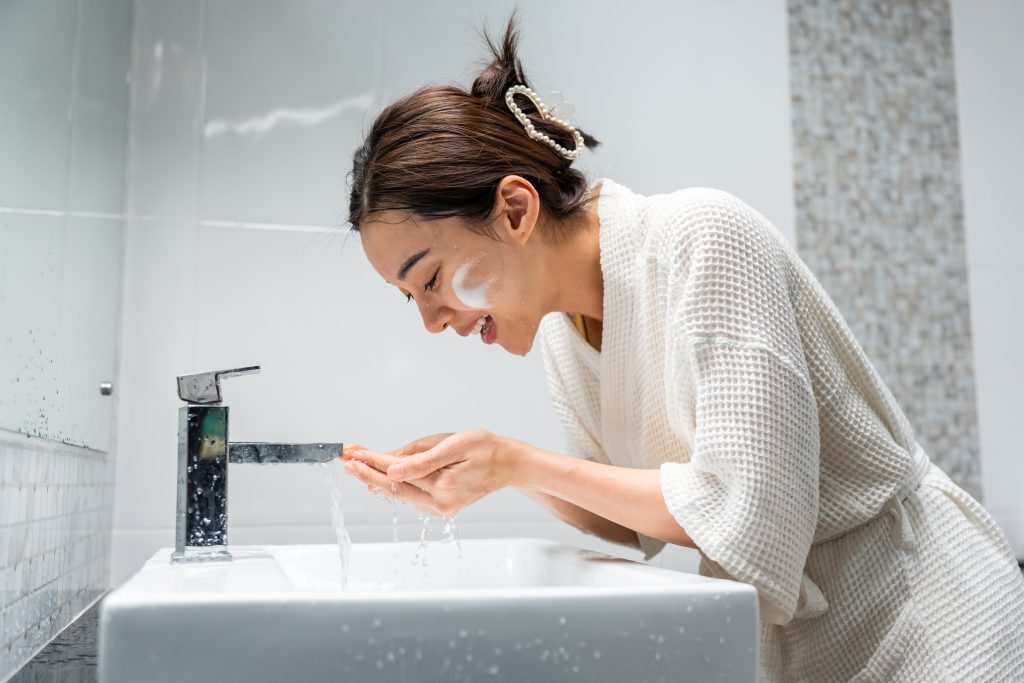
Why Should You Try Double Cleansing?
Still wondering if it’s worth the effort? Let’s break down the top benefits of double cleansing:
Key Benefits:
- Deeply Cleanses the Skin
Removes both oil- and water-based impurities, giving you a true clean feeling without tightness or irritation. - Improves Skin Texture
Regular double cleansing can help unclog pores and reduce blackheads and breakouts, especially for oily or acne-prone skin. - Enhances Skincare Absorption
A clean canvas allows serums, moisturizers, and treatments to penetrate deeper and work more effectively. - Prepares Skin for Night Repair
At night, your skin enters a repair phase. Double cleansing ensures that nothing hinders this natural process. - Balances Sebum Production
Contrary to stripping the skin, using the right cleansers can balance oil production, keeping your complexion more even and less shiny.
Who Should Use Double Cleansing?
Although double cleansing is generally beneficial, it’s especially recommended for:
| Skin Type/Condition | Is Double Cleansing Recommended? | Why It Helps |
|---|---|---|
| Oily and Acne-Prone Skin | Yes | Removes excess oil and bacteria buildup |
| Dry and Sensitive Skin | With gentle formulas | Avoid harsh cleansers, focus on hydrating ones |
| Combination Skin | Yes | Balances T-zone and dry areas effectively |
| Makeup or Sunscreen Wearers | Absolutely | Essential for breaking down heavy products |
| Minimal Skincare Routine Users | Not necessary | Once-daily mild cleanser might suffice |
Tip: If your skin feels tight or irritated after cleansing, reassess the products rather than the method itself.
When Should You Double Cleanse?
Double cleansing is usually best done at night to remove the day’s buildup. However, some may benefit from doing it twice a day depending on skin type and exposure.
Recommended Schedule:
- Night: Always double cleanse—especially if wearing makeup, SPF, or exposed to pollution.
- Morning: Optional—if skin feels oily upon waking or if your nighttime routine was rich in skincare products.
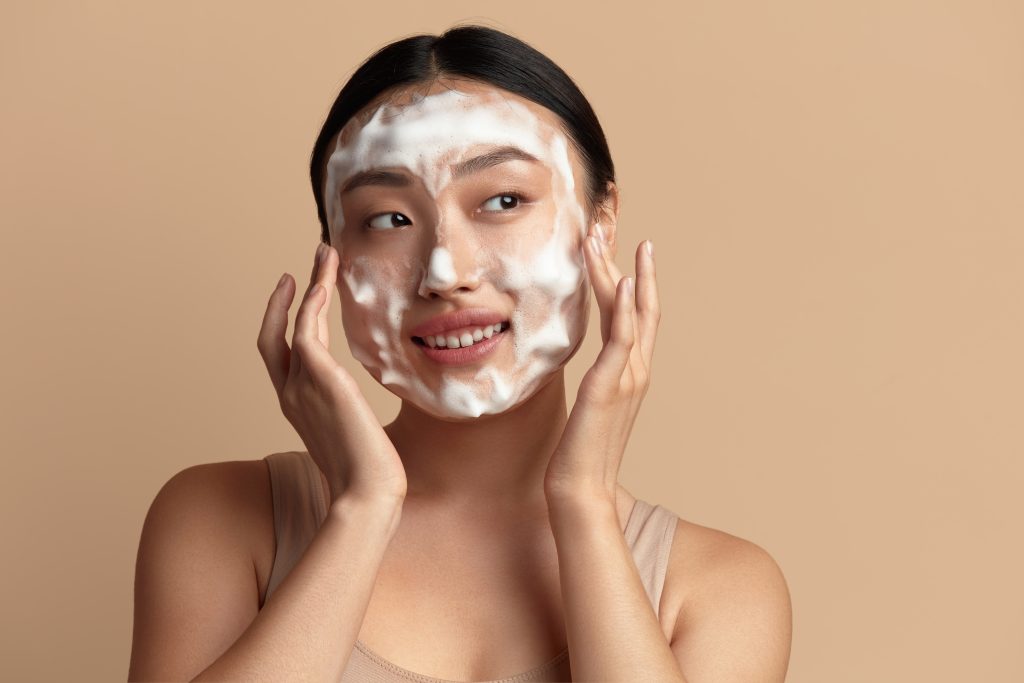
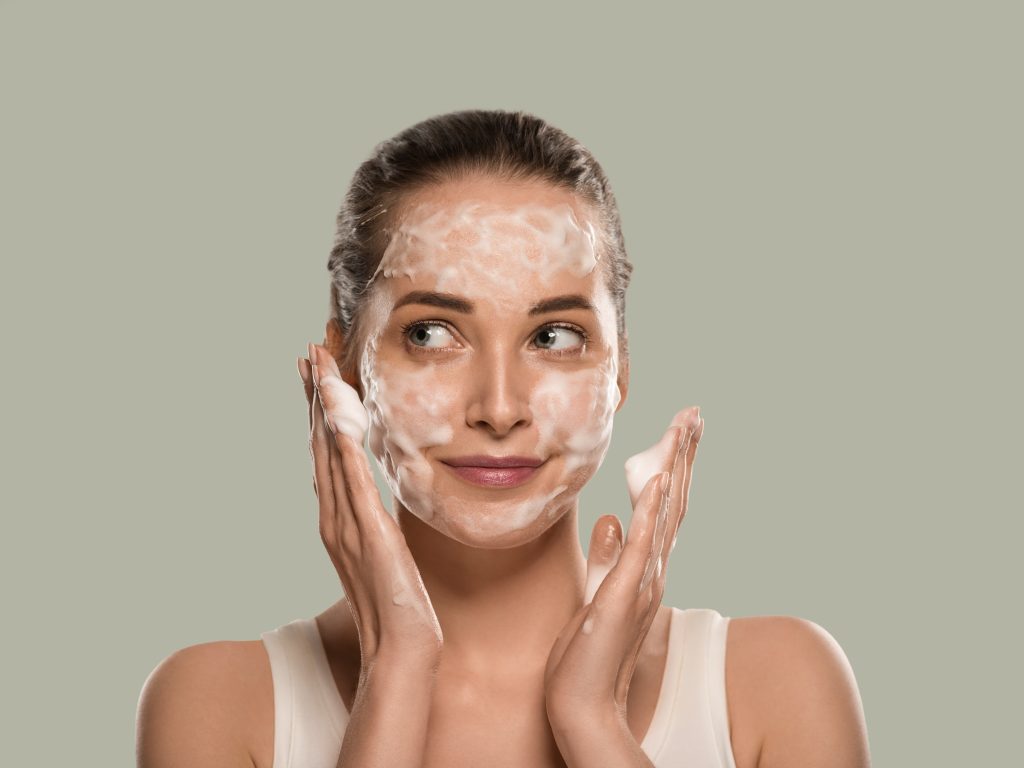
How to Choose the Right Double Cleansing Products
Your skin type plays a major role in determining the best products for your double cleansing routine. Here’s a quick guide:
For Oil-Based Cleansers:
- Dry/Sensitive Skin:
Look for soothing oils like camellia, jojoba, or squalane. - Oily/Acne-Prone Skin:
Choose non-comedogenic oils like grapeseed oil or cleansing balms with tea tree.
For Water-Based Cleansers:
- Dry Skin:
Go for creamy cleansers with hydrating ingredients like hyaluronic acid. - Oily Skin:
Use gel or foaming cleansers with salicylic acid or niacinamide.
Always patch-test new products and introduce one product at a time.
Common Myths About Double Cleansing
Despite its growing popularity, double cleansing is often misunderstood. Let’s set the record straight by debunking some of the most common myths:
- “It’s only for people who wear makeup.”
Even without makeup, your skin collects sunscreen, sebum, and pollutants throughout the day. According to Harvard Health, these must be removed thoroughly to maintain healthy skin. - “Double cleansing dries out the skin.”
When done with the right products, double cleansing actually supports skin hydration. It gently removes debris without stripping the skin’s natural oils. - “My one cleanser is enough.”
Most single cleansers aren’t formulated to break down both oil- and water-based impurities. Double cleansing ensures both are properly addressed in two tailored steps. - “It’s too harsh for sensitive skin.”
If you choose fragrance-free, non-foaming, and hydrating cleansers, double cleansing can be very gentle—even for reactive or sensitive skin types. - “Double cleansing causes breakouts.”
The opposite is true. This method helps prevent clogged pores and breakouts by thoroughly clearing away makeup, oil, and bacteria. - “Only oily skin needs this routine.”
Every skin type can benefit from double cleansing. Dry, sensitive, and mature skin types just need to choose nourishing and gentle formulas.
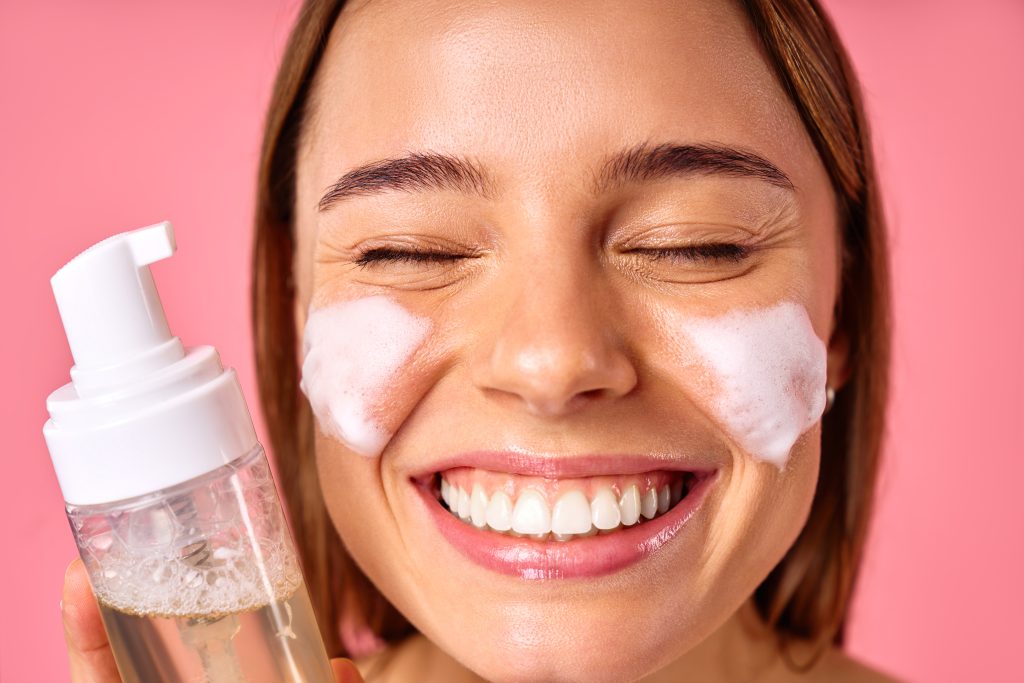
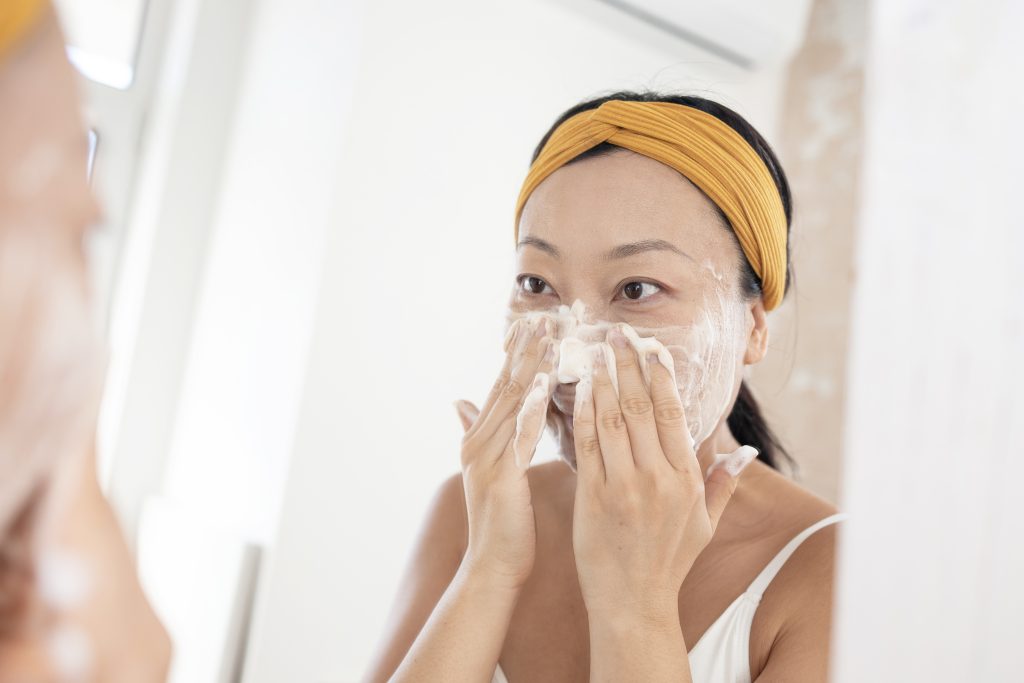
Quick Step-by-Step Guide to Double Cleansing
Here’s a concise routine you can follow:
- Dispense oil-based cleanser into dry hands.
- Massage onto dry face for 30–60 seconds.
- Rinse with lukewarm water.
- Apply water-based cleanser to wet skin.
- Massage and rinse thoroughly.
- Pat skin dry with a clean towel.
Finish with toner, serum, moisturizer, or any treatments you usually apply.
FAQ
Can I use the same cleanser twice instead of two different types?
Using the same cleanser twice won’t give you the full benefits. The first step should be an oil-based cleanser to remove oil-based impurities, and the second should be a water-based cleanser to wash away residue and sweat.
Is double cleansing suitable for acne-prone skin?
Yes, and in fact, it may help prevent acne by deeply cleansing clogged pores. Choose non-comedogenic and gentle formulas that won’t irritate the skin or trigger breakouts.
What ingredients should I avoid in double cleansing products?
Avoid alcohol-heavy formulas, synthetic fragrances, and sulfates, especially if you have sensitive or dry skin. These can disrupt your skin barrier.
Can double cleansing help with blackheads and enlarged pores?
Absolutely. By thoroughly removing oil, dirt, and debris, double cleansing can minimize clogged pores and reduce the appearance of blackheads over time.
Is it okay to double cleanse in the morning?
For most people, double cleansing in the morning is unnecessary. However, if you have oily skin or use thick night creams or balms, it can be helpful to repeat the process in the morning.
How long should I massage the cleansers into my skin?
Aim for 30–60 seconds for each step. Gentle massaging helps break down impurities and stimulates circulation without over-exfoliating.