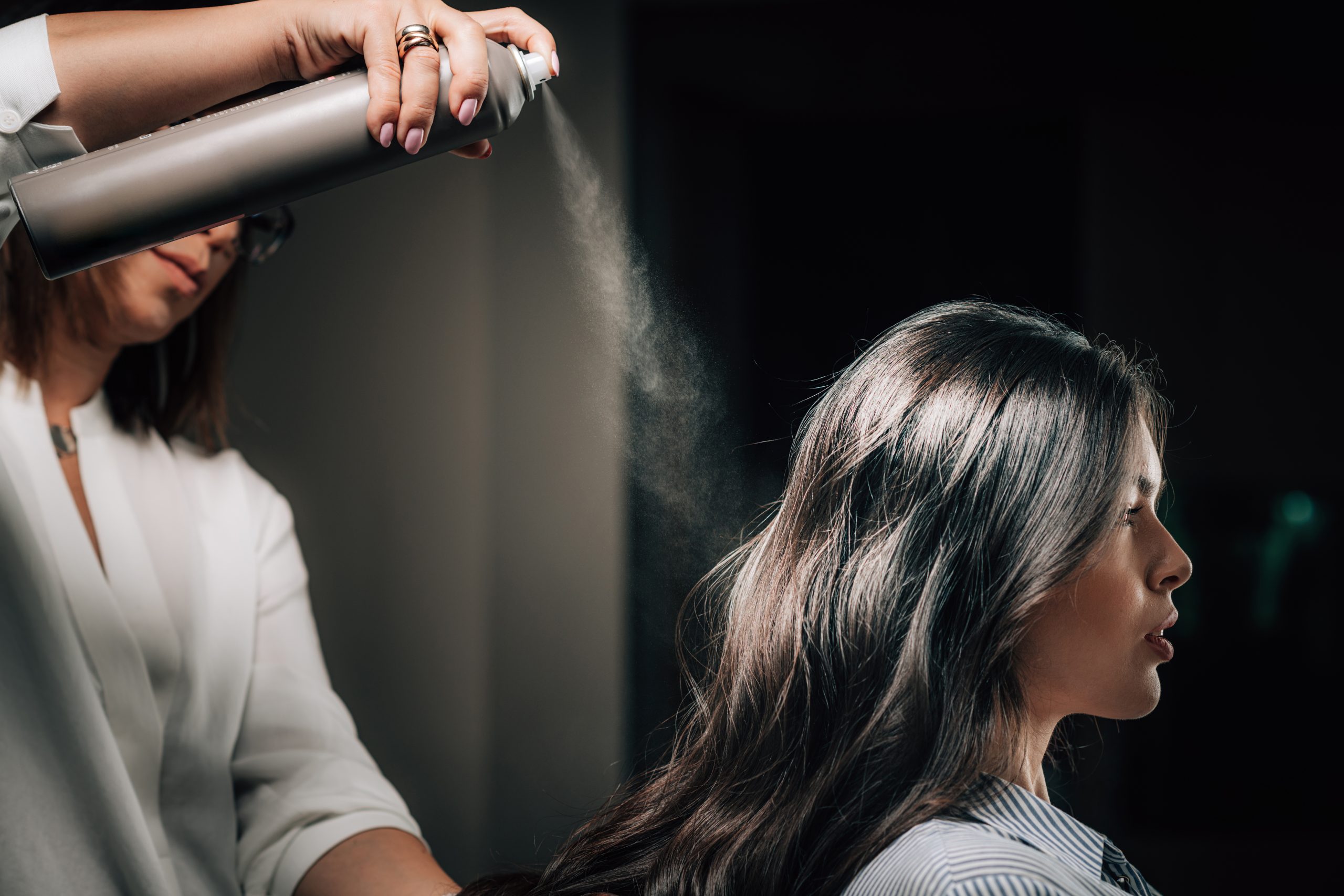

Hair heat protectants are an essential part of any hair care routine, especially if you use styling tools like flat irons, curling wands, or blow dryers.
These products serve as a protective barrier between your strands and high temperatures, reducing damage, breakage, and dryness. Whether you’re straightening your curls or blow-drying after a shower, applying a heat protectant can be the difference between healthy shine and brittle ends. In this blog, we’ll explore the science behind hair heat protectants, when and how to use them, and which ones truly deliver salon-worthy results at home.
Why Using Hair Heat Protectants Is Non-Negotiable
When it comes to styling, skipping a heat protectant is one of the fastest ways to damage your hair — even if you use low to medium heat. The high temperatures from styling tools can break down the keratin in your hair, leading to weakened strands, frizz, and dullness. Fortunately, hair heat protectants act as a thermal shield.
Here’s what they do:
- Distribute heat evenly, reducing hot spots that can burn hair.
- Seal in moisture so strands stay hydrated even under intense styling conditions.
- Protect hair cuticles from lifting, which helps maintain smoothness and shine.
- Reduce breakage and split ends by reinforcing hair structure.
Bottom line? If you heat style even once a week, a protectant should be a non-negotiable step in your routine.
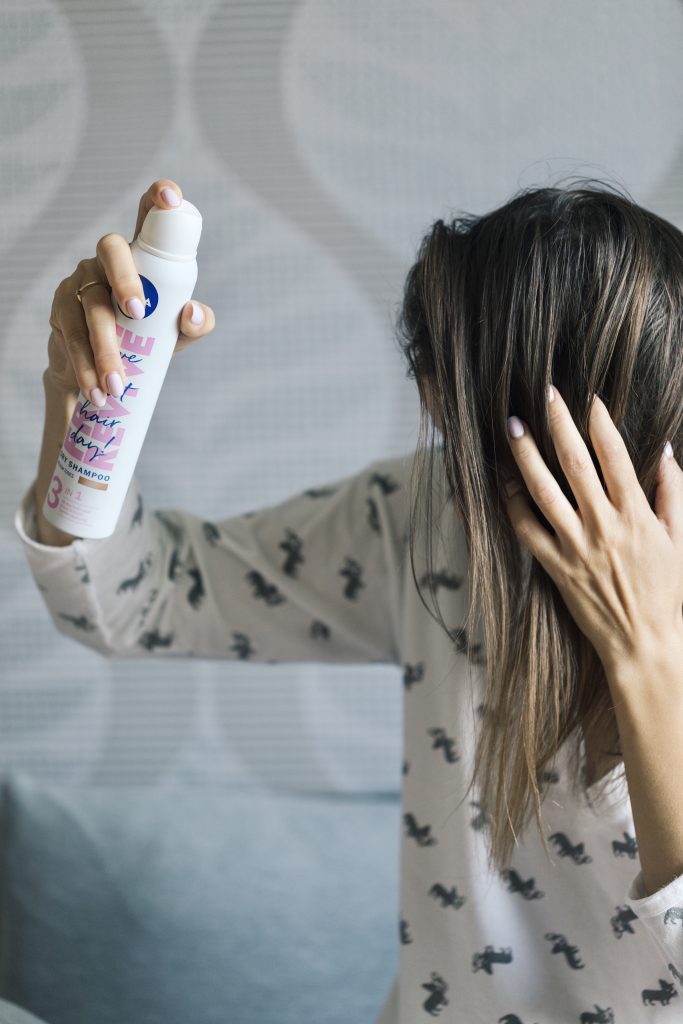
What to Look for in a Hair Heat Protectant
Not all products are created equal. To get maximum benefits, look for key ingredients that protect and nourish. The following table breaks down what to look for and why it matters:
| Ingredient | Purpose |
|---|---|
| Silicones (e.g., Dimethicone) | Forms a heat-resistant barrier to reduce moisture loss |
| Proteins (e.g., Keratin, Silk Protein) | Strengthens strands and repairs minor damage |
| Glycerin | Draws in moisture to prevent dehydration |
| Natural oils (e.g., Argan, Coconut, Grapeseed) | Nourish and smooth the hair surface |
| Vitamin E or B5 | Adds softness and protects against oxidative stress |
Pro tip: Avoid formulas with drying alcohols if you have fine or color-treated hair.
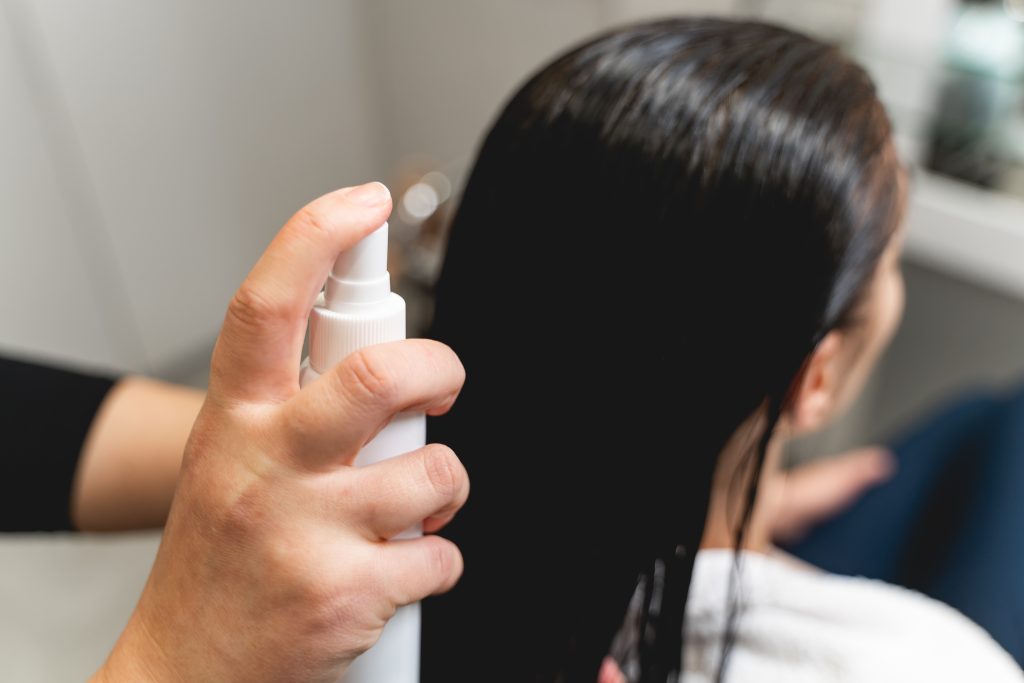
How and When to Use Protectants for Best Results
Applying hair heat protectants the right way is just as important as choosing a good product. Here’s a step-by-step guide to help you get the most out of it:
- Wash your hair – Start with clean hair for better product absorption.
- Towel dry until damp – Most protectants work best on damp, not soaking wet hair.
- Apply the protectant – Spray or distribute evenly from mid-length to ends. Use a lightweight mist for fine hair and a cream or serum for thicker hair.
- Comb through – This ensures the product coats every strand.
- Allow it to dry – Give it a minute or two before using heat.
- Style as usual – Now your hair is protected and ready to be styled.
Bonus Tip: Reapply a small amount on dry hair before using a curling iron or straightener for touch-ups.
Spray vs. Cream vs. Serum: Which One Is Right for You?
Choosing the right format can help you get better results, depending on your hair type and styling habits. Here’s a simple breakdown:
| Format | Best for | Why Choose It |
|---|---|---|
| Spray | Fine or oily hair | Lightweight and easy to apply without buildup |
| Cream | Thick, dry, or curly hair | Offers richer hydration and longer-lasting hold |
| Serum/Oil | Damaged or color-treated hair | Smooths frizz and adds a glossy finish |
Pro Tip: If you blow-dry frequently, opt for a spray. For flat ironing, a serum or cream provides longer-lasting results.
FAQ
Do I really need a heat protectant if I use low heat?
Yes. Even low heat can dehydrate hair or damage cuticles over time. Always apply a protectant — even for touch-ups.
Can I use a leave-in conditioner instead?
Some leave-ins offer light protection, but they aren’t formulated to withstand high heat. Use a dedicated heat protectant for full protection.
How often should I use it?
Use it every time you apply heat — whether it’s blow-drying, straightening, or curling.
Can I apply it on dry hair?
Yes, but use a product specifically labeled for dry use. Some sprays or serums are formulated for pre-flat iron application.