

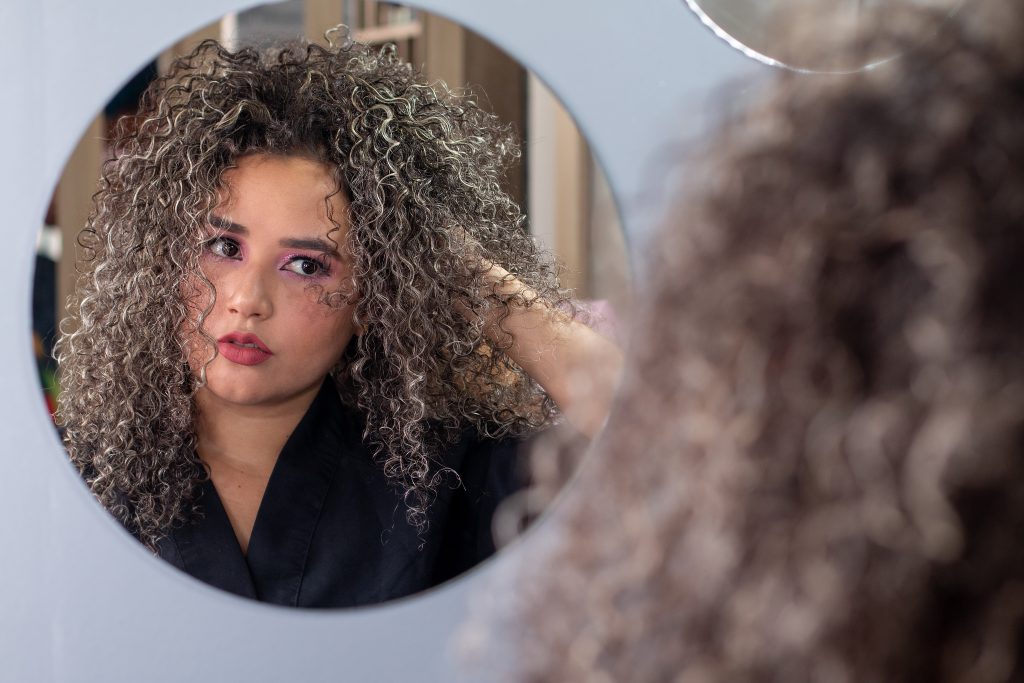
Frizzy hair, it’s something we’ve all faced.
One moment your hair looks perfect and the next, it’s rebelling against your brush, your products, and even the weather. Whether it’s humid, dry, rainy, or windy, frizz can turn any good hair day into a challenge. But don’t worry—taming it doesn’t require expensive products or endless salon visits.
The key? Simple, effective changes to your routine that you can easily do at home. From battling summer humidity to winter dryness, this guide will help you keep your hair smooth, shiny, and frizz-free all year round. Ready to take control? Let’s dive in!
The Secret Behind Frizz and What’s Really Happening
Frizz occurs when your hair craves moisture or encounters damage, making it vulnerable to environmental factors. At its core, frizz happens when the hair’s outer layer, known as the cuticle, opens up and allows moisture from the air to seep in, causing strands to swell and misbehave. Hair that’s dry, porous, or lacking natural oils is more likely to respond this way, making hydration a key factor in preventing frizz. Moreover, weather plays a huge role in fueling frizz. In humid climates, excess moisture in the air saturates your hair, leaving it puffy and unruly.
On the other hand, cold and dry weather depletes your hair of its natural moisture, making it brittle and prone to static. By understanding how frizz is triggered, you can take proactive steps to protect your hair and keep it smooth, no matter the season.
Mastering the Basics for Frizz-Free Hair
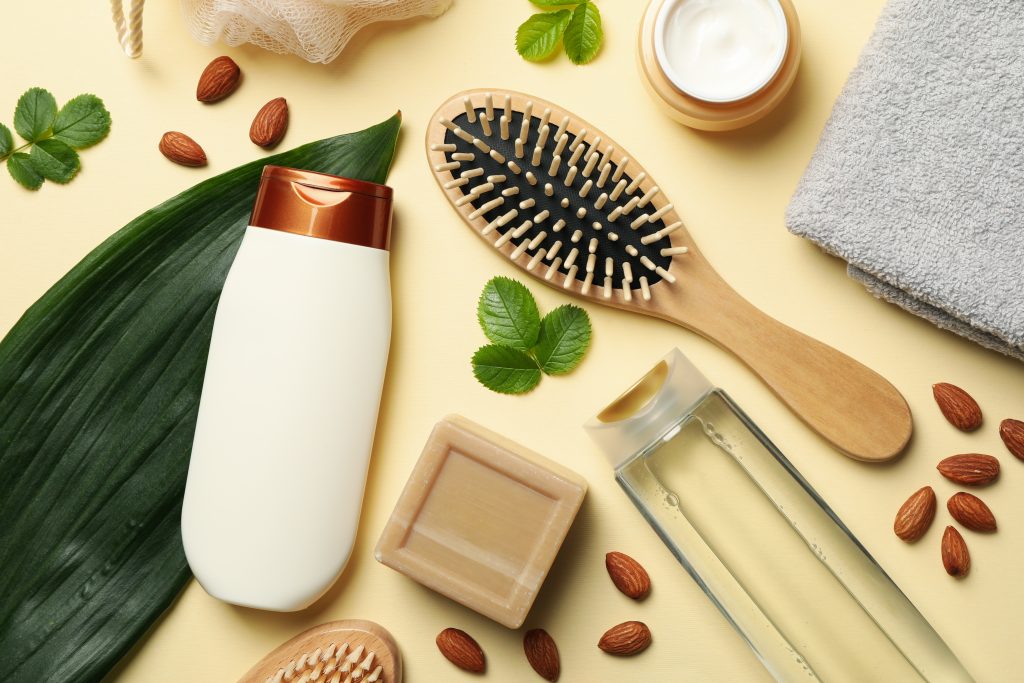
The foundation for keeping frizz at bay is taking proper care of your hair. By focusing on three essential steps—cleansing, conditioning, and leave-in care—you can create a solid routine using simple, home-friendly solutions. Here’s how:
- Cleansing:
- Use a gentle, sulfate-free shampoo to clean your hair without stripping away its natural oils. This helps maintain moisture and keeps your cuticles smooth.
- Try a DIY clarifying rinse made with diluted apple cider vinegar (1 part vinegar to 3 parts water). It removes buildup and balances your scalp’s pH for healthier, frizz-resistant hair.
- Avoid washing your hair too frequently—2-3 times a week is ideal to prevent dryness.
- Conditioning:
- Deep conditioning is crucial for hydration. Create a homemade mask using ingredients like avocado, honey, and olive oil to nourish and lock in moisture.
- After every wash, use a regular conditioner to smooth your hair’s surface and detangle knots easily.
- For extra frizz-fighting power, rinse your hair with cool water after conditioning. This helps seal the cuticles and prevents them from absorbing excess moisture from the air.
- Leave-In Care:
- Use aloe vera gel as a natural, lightweight leave-in conditioner. It hydrates hair while keeping it manageable and frizz-free.
- For added protection, apply a small amount of coconut or argan oil to the ends of your hair to prevent split ends and lock in moisture.
- If your hair feels dry or puffy during the day, mist it with DIY rose water spray to revive and tame flyaways.
Weather-Specific Strategies for Frizz-Free Hair
Different weather conditions can wreak havoc on your hair, each bringing its unique set of challenges. Understanding how to adapt your hair care routine based on the climate is essential to keeping frizz under control. Here’s how you can protect and maintain smooth, healthy hair in any weather:
Humid Weather: Controlling Frizz and Repelling Moisture
Humidity is one of the biggest culprits behind frizz. When the air is filled with moisture, your hair’s cuticle opens up, absorbing excess water and causing your strands to puff up. To tackle this:
- Use Anti-Humidity Products: Apply a lightweight serum or oil to create a barrier that locks in moisture and prevents frizz from forming. Coconut oil or shea butter can be great natural options.
- Smooth with Aloe Vera: Aloe vera gel not only moisturizes but also helps seal the cuticle, keeping your hair sleek even in sticky conditions.
- Protective Styles: Opt for hairstyles like braids or buns to limit exposure to humidity and keep your hair under control throughout the day.

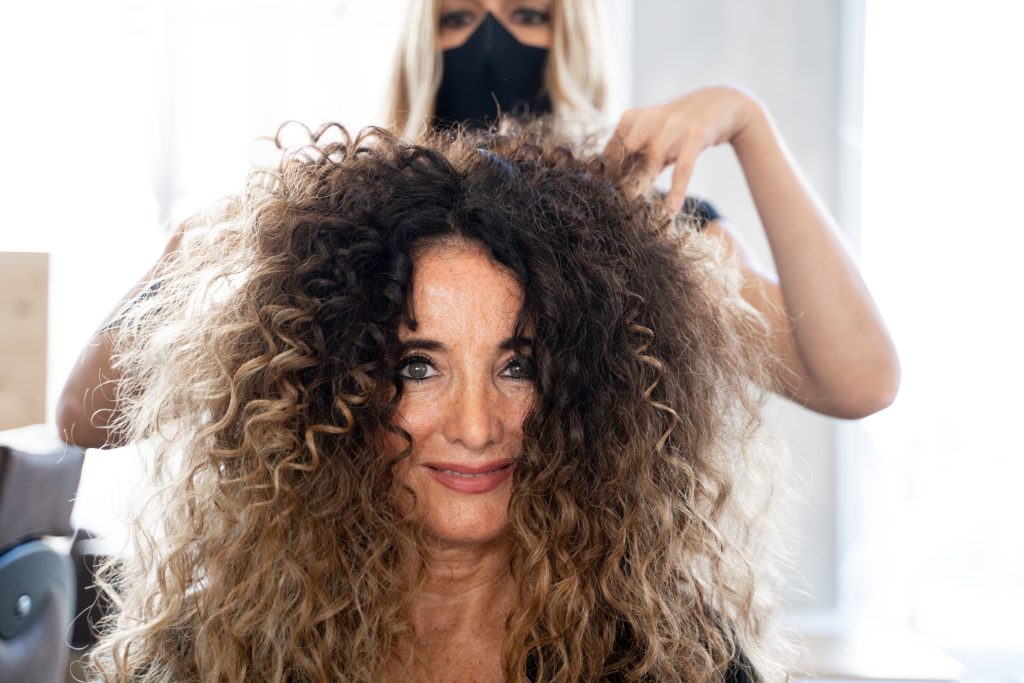
Dry/Cold Weather: Hydrating and Preventing Dryness
Cold, dry air depletes your hair of its natural moisture, leaving it brittle and prone to static and breakage. Hydration is key to preventing frizz during these conditions:
- Warm Oil Treatments: Massage your scalp and hair with warm oils like argan, almond, or olive oil before washing. This locks in hydration and strengthens your hair against dryness.
- Deep Conditioning: Use a rich, hydrating hair mask weekly, such as a DIY mix of banana and yogurt or avocado and honey. These natural ingredients deeply nourish and restore moisture.
- Cover Your Hair: Protect your strands from harsh winds by wearing a scarf, hat, or hood. Line your accessories with silk or satin to minimize friction.
Rainy Days: Quick Fixes and Protective Hairstyles
Rainy weather can be especially tricky as the extra moisture in the air often leads to instant frizz. To stay prepared:
- Pre-Treat Your Hair: Apply a layer of leave-in conditioner or aloe vera gel before stepping out to keep your hair hydrated and shield it from rain-induced puffiness.
- Choose Protective Hairstyles: Hairstyles like buns, ponytails, or braids help reduce exposure to rain and keep your hair in place.
- Emergency Care: Keep a small travel-sized bottle of anti-frizz serum or rose water mist in your bag for quick touch-ups when needed.
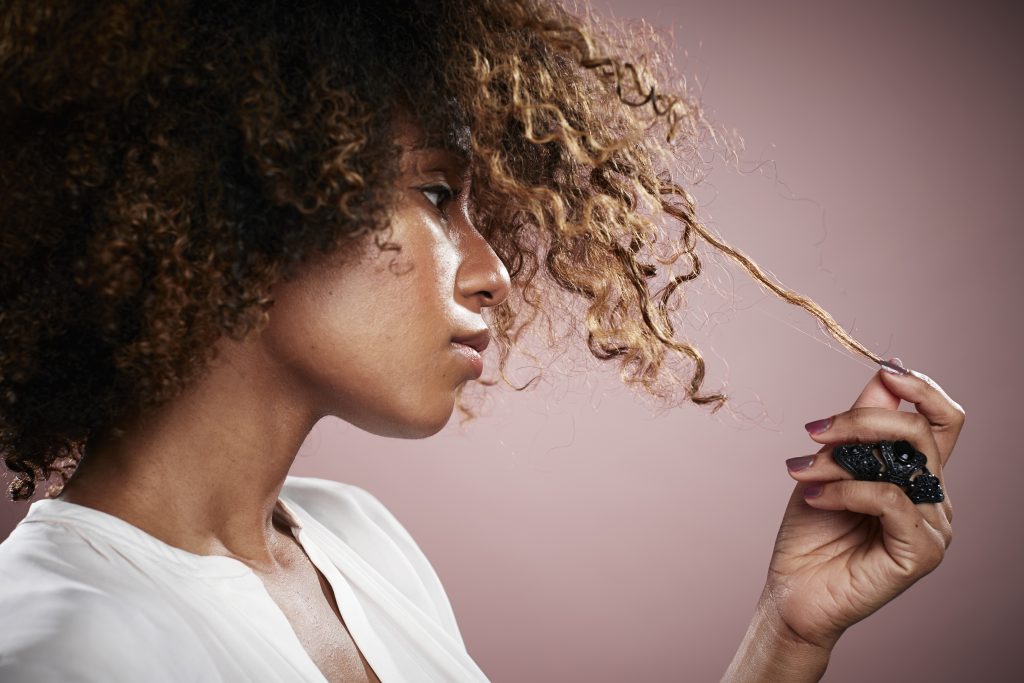
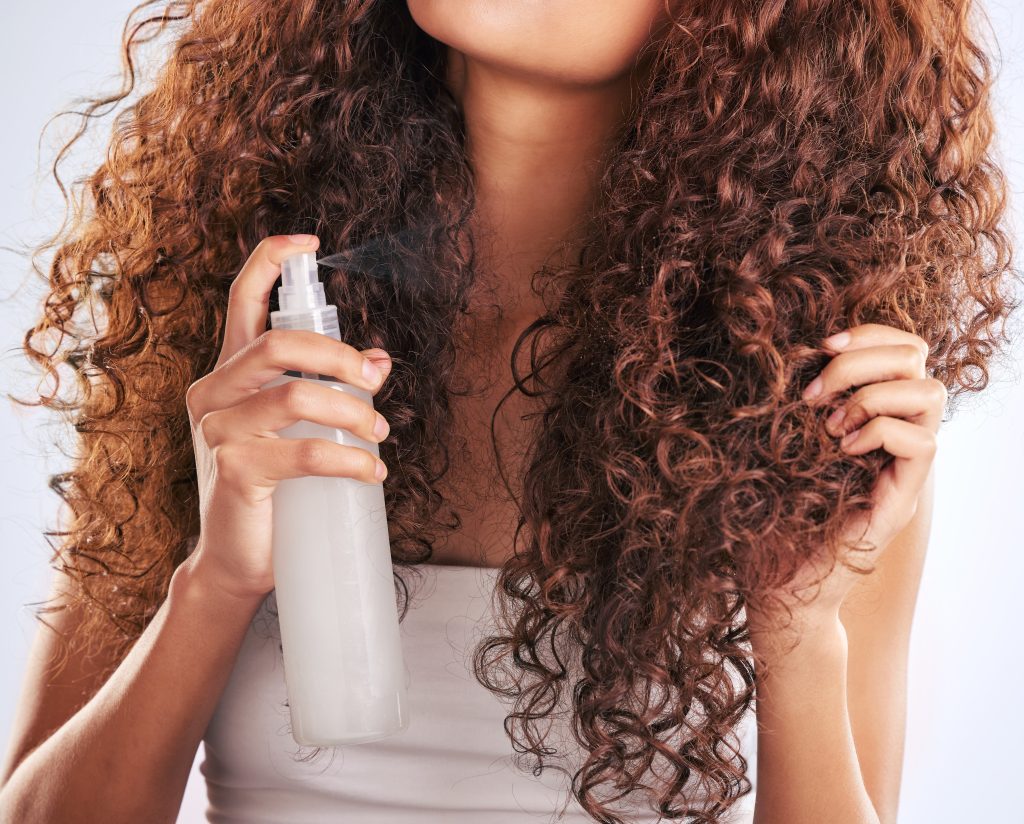
Everyday Habits for Healthier, Frizz-Free Hair
- Switch to satin pillowcases: Satin or silk pillowcases are gentle on your hair, preventing friction and reducing breakage. They also help retain your hair’s natural moisture overnight.
- Stay hydrated: Drinking enough water daily isn’t just good for your body—it’s essential for your hair too. Proper hydration keeps hair strands strong and less prone to frizz.
- Avoid over-washing: Washing your hair too often strips away its natural oils. Stick to washing 2-3 times a week to help your hair stay moisturized and manageable.
- Brush gently: Use a wide-tooth comb or detangling brush to minimize pulling and breakage. For best results, detangle hair when it’s damp, not dry.
- Protect while sleeping: Wrap your hair in a silk scarf or tie it in a loose braid before bed to prevent tangles, frizz, and split ends.
- Limit heat styling: Minimize the use of hot tools like curling irons and straighteners. When you do style, always use a heat protectant spray or cream to safeguard your strands.
- Cover your hair outdoors: Shield your hair from harsh weather—whether it’s sun, wind, or cold air—by wearing a scarf, hat, or protective hairstyle.
- Massage your scalp: Regular scalp massages stimulate blood circulation, encouraging healthier hair growth and better scalp health.
- Let your hair rest: Embrace your natural texture by taking breaks from heavy styling and treatments. Allow your hair to recover and strengthen naturally.
FAQ
Are there specific tools that help reduce frizz?
Yes, tools like ionic hair dryers are excellent for fighting frizz as they help seal the hair cuticle while drying. A boar bristle brush can also help distribute natural oils evenly along the hair shaft, reducing dryness and smoothing flyaways.
Are there any long-term treatments for frizz?
Yes, long-term treatments like keratin treatments or protein masks can smooth frizz by strengthening the hair cuticle. However, these should be used cautiously and not too frequently, as excessive protein can make hair brittle. Regular moisturizing treatments can also help maintain smoother hair over time.
What fabrics should I avoid to reduce frizz?
Avoid rough fabrics like cotton or wool, as they create friction that can lead to frizz. Instead, opt for silk or satin accessories like scarves and pillowcases to keep your hair smooth and reduce breakage.
Are there natural remedies for taming frizzy hair?
Definitely! Natural remedies like aloe vera gel, coconut oil, or homemade hair masks with avocado and honey can deeply hydrate and smooth frizzy hair without the need for harsh chemicals.
Can brushing cause frizz?
Yes, brushing dry hair can cause friction, leading to frizz and breakage. Instead, detangle your hair when it’s damp using a wide-tooth comb or a detangling brush to minimize damage.
Is there a specific shampoo to use for frizzy hair?
For frizzy hair, use sulfate-free shampoos that cleanse gently without stripping your hair’s natural oils. Shampoos designed for hydration are particularly helpful.
Can certain hairstyles help reduce frizzy hair?
Yes, hairstyles like braids, buns, or ponytails can keep frizzy hair under control, especially in humid or rainy weather. Protective styles reduce your hair’s exposure to environmental factors.