






Nail File Types Explained – Find the Right One for Your Nails
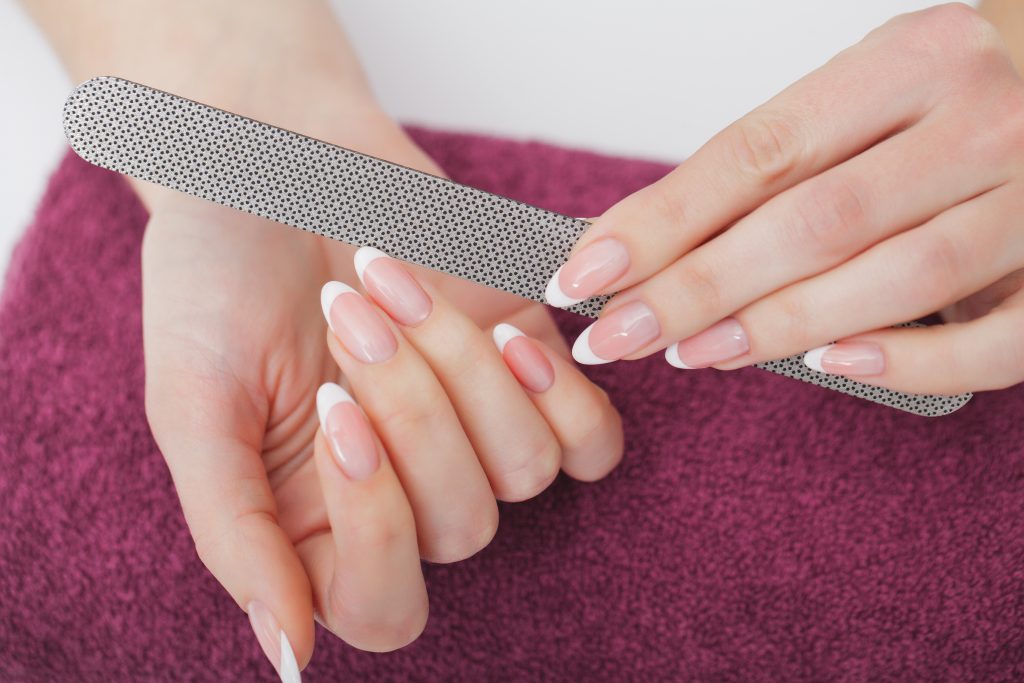
Choosing the right nail file may seem simple, but it can make a significant difference in the health, strength, and appearance of your nails. Using the wrong file or grit can cause peeling, splitting, and unnecessary damage, while the right one helps create smooth edges, maintain your preferred nail shape, and support a healthy nail care routine.
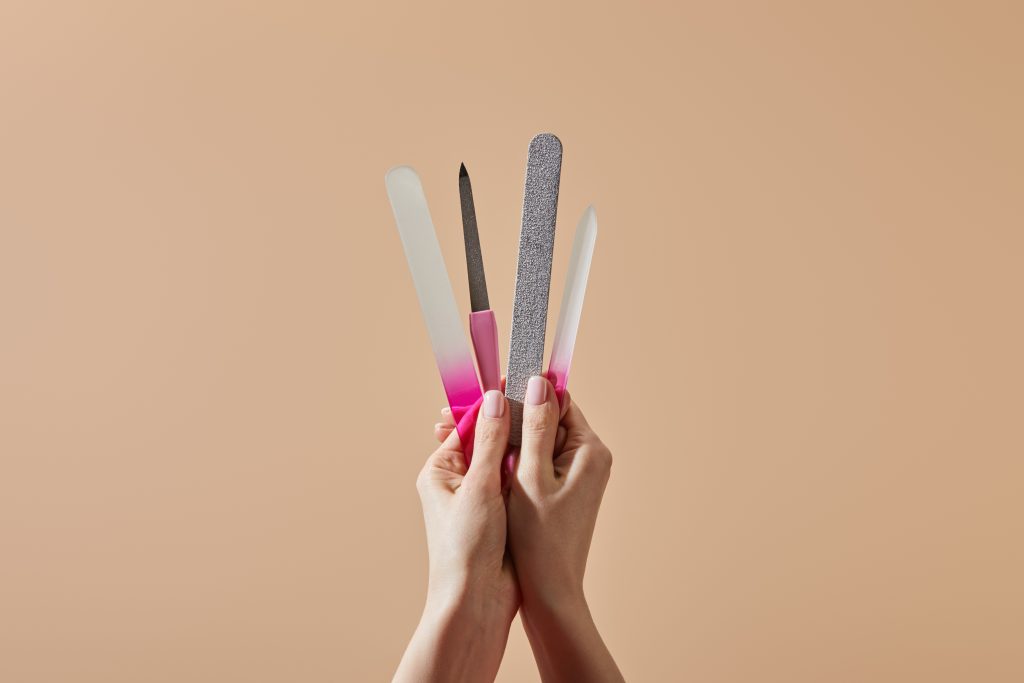
Whether you’re doing a quick manicure at home, maintaining natural nails, or caring for acrylic enhancements, understanding nail file types is essential. With so many options available—including glass, crystal, ceramic, metal, and emery boards—it can be difficult to know which one is best for your needs.
This complete guide explains the different nail file types, how nail file grit works, how to use a nail file correctly, and how to choose the best option for every nail type.
Table of Contents
- Why Choosing the Right Nail File Matters
- Different Nail File Types
- Nail File Grit Guide
- How to Choose the Right Nail File
- Use the Nail File Correctly
- How to Shape Nails at Home
- Glass vs Emery Board Nail File
- Nail Filing Tips for Healthier Nails
- Common Nail Filing Mistakes
- How Often Should You File Your Nails?
- How to Clean and Store Nail Files
- FAQs
Why Choosing the Right Nail File Matters
A nail file does much more than shorten your nails. It helps refine their shape, smooth rough edges, and reduce the risk of cracks or breaks.
Using the proper nail file also helps:
- Prevent nail splitting and peeling
- Create clean, even nail shapes
- Protect weak or brittle nails
- Improve the appearance of manicures
- Extend the life of nail polish and nail enhancements
- Support healthier nails over time
Choosing the correct file for your nail type is one of the easiest ways to improve your nail care at home.
Different Nail File Types
Every nail file is designed for specific purposes. Understanding each material helps you choose the right tool for your manicure.
A glass nail file is one of the most popular choices for natural nails. Its finely etched surface seals the nail edge instead of tearing it, helping reduce splitting.
Best for
- Natural nails
- Thin nails
- Brittle nails
- Frequent filing
Benefits
- Gentle on nails
- Long-lasting
- Easy to sanitize
A crystal nail file works similarly to a glass file but is often manufactured with higher-quality tempered glass for extra durability.
Many people consider it the best nail file for natural nails because it creates exceptionally smooth edges with minimal damage.
Best for
- Delicate nails
- Healthy nail maintenance
- Daily use
The emery board is the classic disposable nail file found in most home manicure kits.
It features abrasive paper attached to a cardboard core and comes in various grit levels.
Best for
- Everyday shaping
- Beginners
- Natural nails
Pros
- Affordable
- Lightweight
- Easy to replace
- Available everywhere
A ceramic nail file offers a smooth filing experience while remaining durable enough for regular use.
It creates less friction than coarse files and works well on both natural and artificial nails.
Best for
- Regular maintenance
- Sensitive nails
- Gentle shaping
A metal nail file is extremely durable but much rougher than other options.
Although it lasts for years, it isn’t recommended for most natural nails because it may cause micro-tears and splitting.
Best for
- Thick toenails
- Very hard acrylic enhancements
- Emergency repairs
Nail File Grit Guide
One of the most important factors when choosing a nail file is understanding nail file grit.
Grit refers to the size of the abrasive particles on the file.
- Lower numbers = rougher file
- Higher numbers = finer file
Different Nail File Grits Explained
| Grit | Best For |
|---|---|
| 80 | Removing hard gel or acrylic products |
| 100 | Shortening acrylic nails |
| 150 | Refining acrylic enhancements |
| 180 | Shaping acrylic and strong natural nails |
| 240 | Natural nails |
| 320–400 | Smoothing nail edges |
| 600+ | Buffing and finishing |
What Nail File Grit Should I Use?
For most people with natural nails, a 240-grit file is the safest choice.
If you wear acrylic nails, a 100–180 grit file is better suited for shaping the enhancement without excessive effort.
How to Choose the Right Nail File
Not every nail file works for every nail type.
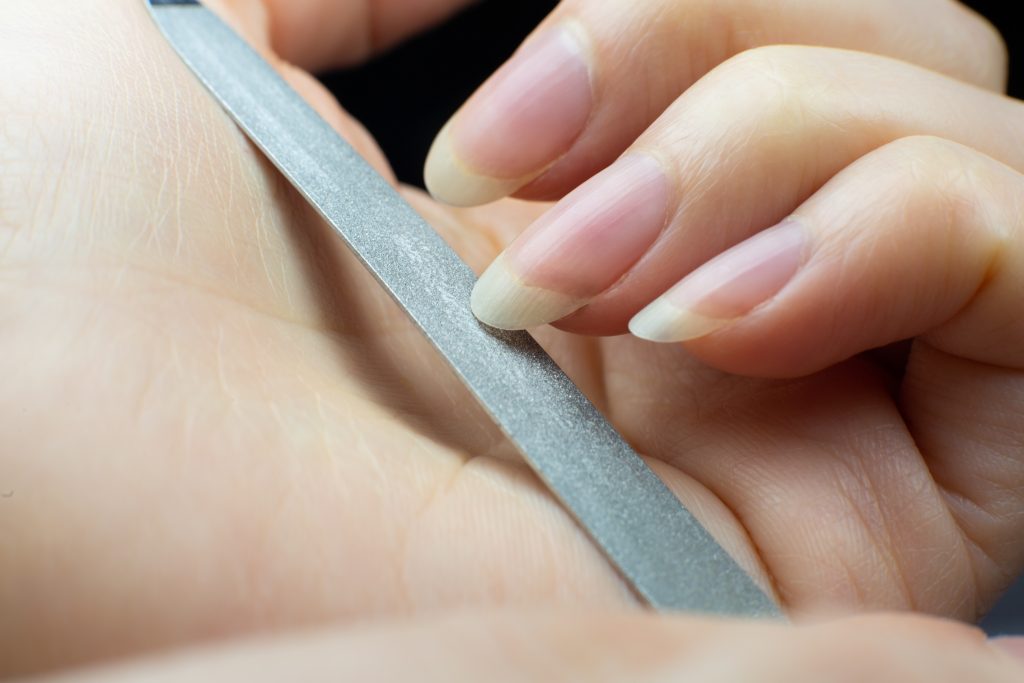
Best Nail File for Natural Nails
Natural nails benefit from gentler materials that minimize damage.
Recommended options include:
- Glass nail file
- Crystal nail file
- Fine-grit emery board (240 grit or higher)
These files help preserve healthy nail layers while creating smooth edges.
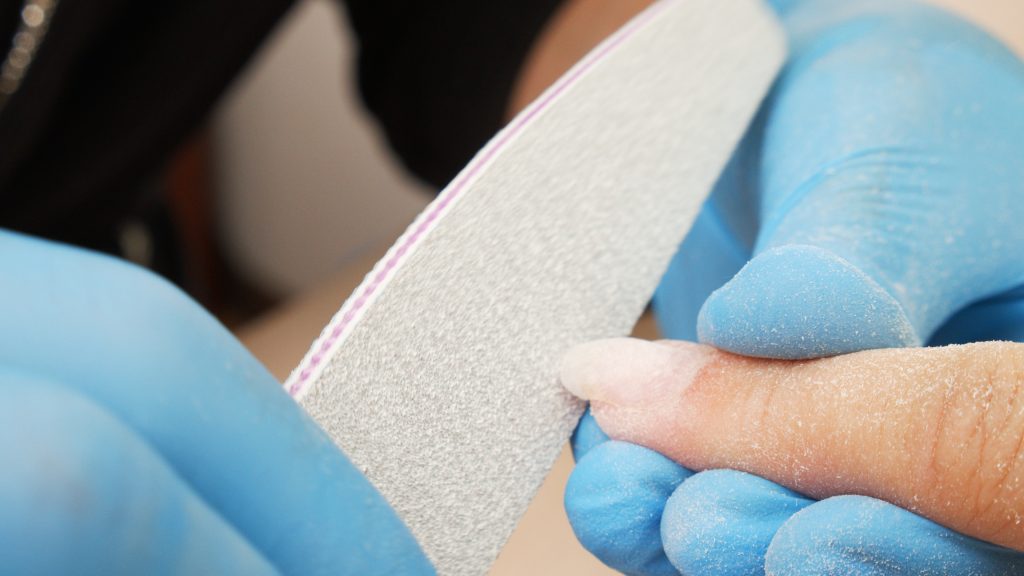
Best Nail File for Acrylic Nails
Acrylic nails require stronger abrasives.
Ideal choices include:
- 100-grit file
- 150-grit file
- 180-grit file
These grit levels shape enhancements efficiently without excessive pressure.
Best Nail File for Beginners
If you’re just learning how to file nails, start with a fine-grit emery board or glass nail file.
They are easier to control and much less likely to over-file your nails.
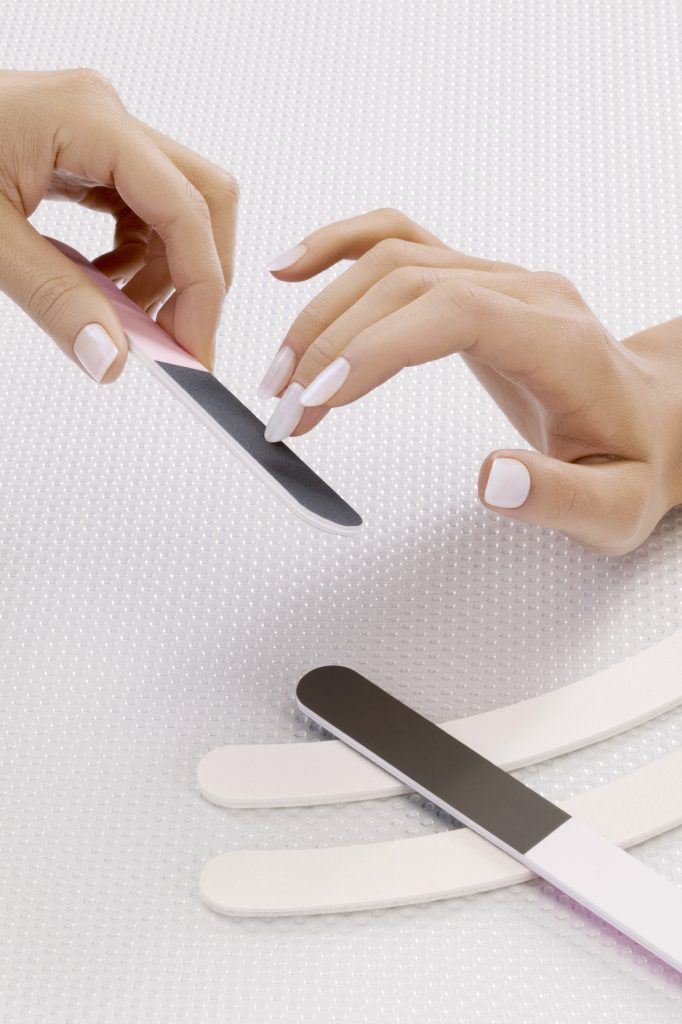
Use the Nail File Correctly
Learning how to use a nail file properly helps prevent damage and creates a cleaner finish.
- Step 1: Begin with Dry Nails
- Dry nails are stronger and easier to shape. Filing wet nails may increase the risk of peeling.
- Step 2: File in One Direction
- Instead of moving the file back and forth, file from the outside edge toward the center.
- This reduces friction and minimizes splitting.
- Instead of moving the file back and forth, file from the outside edge toward the center.
- Step 3: Shape Gradually
- Remove small amounts at a time until you reach your desired nail shape.
- Step 4: Smooth the Edges
- Finish with a finer grit to create smooth edges that are less likely to snag.
How to Shape Nails at Home
Your nail shape should complement both your lifestyle and nail strength.
Popular shapes include:
- Round
- Square
- Squoval
- Oval
- Almond
- Coffin
- Stiletto
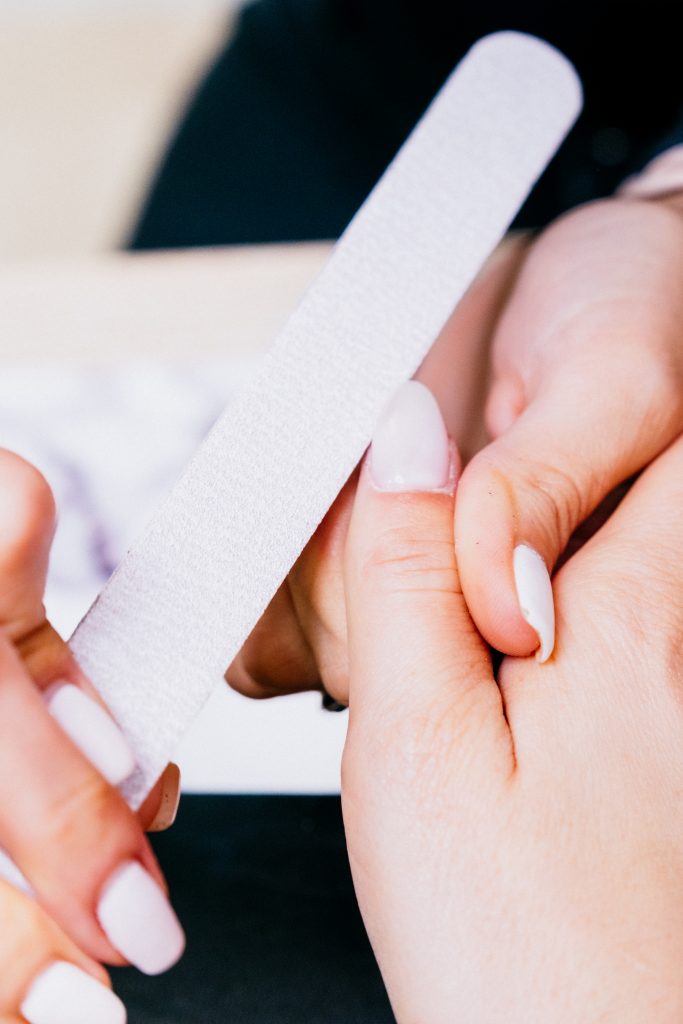
Short natural nails often look best with round or squoval shapes because they’re less prone to breakage.
Glass vs Emery Board Nail File
Many people wonder whether a glass nail file or an emery board is the better choice.
| Glass Nail File | Emery Board |
|---|---|
| Reusable | Disposable |
| Gentle on nails | Slightly rougher |
| Easy to sanitize | Not washable |
| Long lifespan | Needs regular replacement |
| Higher upfront cost | Budget-friendly |
If you frequently file natural nails, a glass file is generally the better long-term investment.
Nail Filing Tips for Healthier Nails
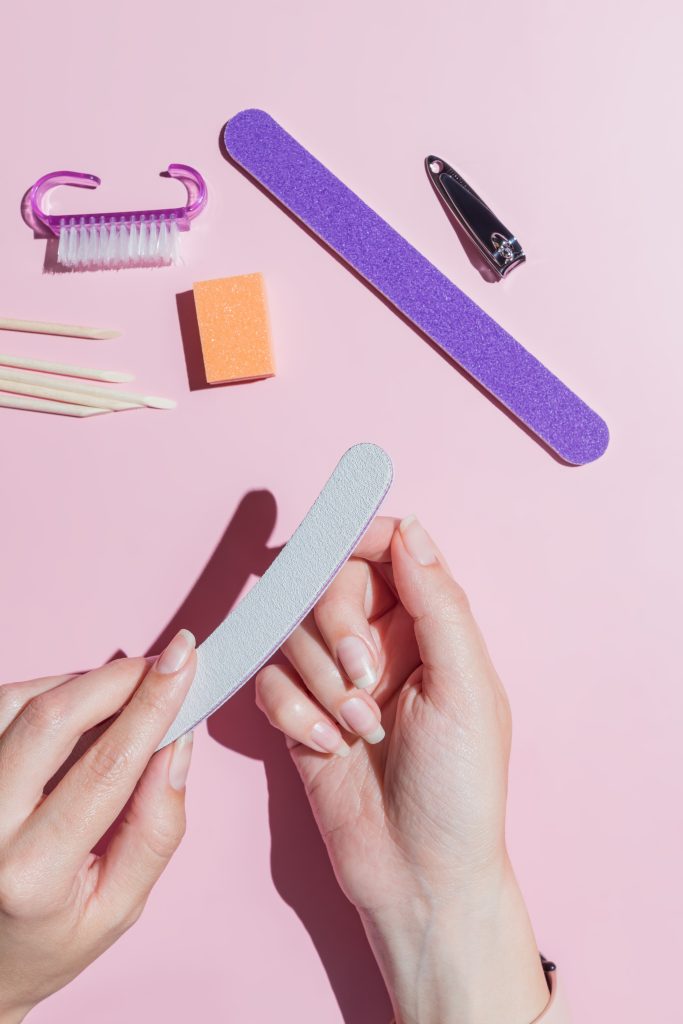
Following a few simple habits can make your manicure look better while protecting your nails.
- File once a week rather than every day.
- Choose the correct grit for your nail type.
- Replace worn emery boards regularly.
- Clean reusable nail files after each use.
- Avoid filing too deeply into the sides of the nail.
- Moisturize your cuticles after filing.
- Finish with a nourishing nail oil.
These small steps help maintain stronger nails and improve your overall nail care routine.
Common Nail Filing Mistakes
Even experienced users sometimes make mistakes that weaken their nails.
Avoid these common habits:
- Filing aggressively back and forth
- Using coarse grit on natural nails
- Filing wet nails
- Sharing nail files without cleaning them
- Keeping damaged files for too long
- Filing too often
Correcting these mistakes can significantly improve nail health.
How Often Should You File Your Nails?
Most people only need to file their nails once every one to two weeks.
However, if you’re maintaining a specific shape or caring for acrylic nails, light touch-ups may be needed more frequently.
The key is to file only when necessary and avoid excessive shortening.
How to Clean and Store Nail Files
Keeping your nail file clean helps maintain hygiene and extends its lifespan.
For reusable files:
- Wash with warm water and mild soap.
- Disinfect with rubbing alcohol after use.
- Allow the file to dry completely.
- Store it in a clean protective case.
Disposable emery boards should be replaced once they become worn or difficult to clean.
FAQs
What is the best nail file for natural nails?
A glass or crystal nail file is generally considered the best option because it seals the nail edge, reducing splitting and peeling.
What nail file grit should I use for natural nails?
A 240-grit file is ideal for most natural nails. Finer grits are gentler and help prevent damage.
Can I use a metal nail file on natural nails?
Metal nail files are usually too abrasive for natural nails and may increase the risk of splitting. They are better suited for thick nails or acrylic enhancements.
How do I file nails without damaging them?
Always file dry nails, use gentle pressure, choose the correct grit, and move the file in one direction instead of sawing back and forth.
How often should I replace an emery board?
Replace an emery board when it becomes worn, dirty, or loses its abrasive surface. Regular replacement helps maintain effective and hygienic nail care.
Is a glass nail file better than an emery board?
For natural nails, a glass nail file is often the better choice because it is reusable, easy to sanitize, and creates smoother nail edges. Emery boards remain a practical, budget-friendly option for occasional use.
More for your beauty mood
Choose the Best Nail Buffer
A good nail buffer can make the difference between ordinary-looking nails and a smooth, polished-looking manicure. But with different shapes, materials, and grit levels available, choosing…

How to Use Therabath Paraffin Warmers at Home
Therabath Paraffin Warmers bring the spa experience right into your home, offering a soothing way to care for your skin and relieve everyday aches. Whether you’re…

Makeup Hygiene – How to Keep Your Tools and Products Clean
Makeup hygiene is a crucial part of any beauty routine—but it’s often ignored until problems arise. Whether you're a makeup lover or a professional artist, dirty…