If you’ve just removed acrylics, you are likely experiencing the common shock of seeing damaged, soft, and painfully thin nails. This post-enhancement weakness is entirely normal; the process of applying and removing acrylics strips away vital layers of the nail plate. Therefore, the critical next step is to actively strengthen nails after acrylics using a targeted, professional recovery plan.
This guide provides a phased approach to achieving lasting nail repair after acrylics, focusing on immediate stabilization, deep hydration, and long-term internal support.
Phase 1: Immediate Stabilization – Preventing Further Damage
The first 72 hours are crucial for protecting the already compromised nail matrix. This is the foundation for successfully learning how to strengthen nails after acrylics.
A. The Emergency Protocol
| Action | Why It’s Necessary | Professional Tip |
| Trim Length | Removes the weakest edges, minimizing bending and painful splitting of thin nails after acrylics. | Cut them back to the fingertip line or shorter. |
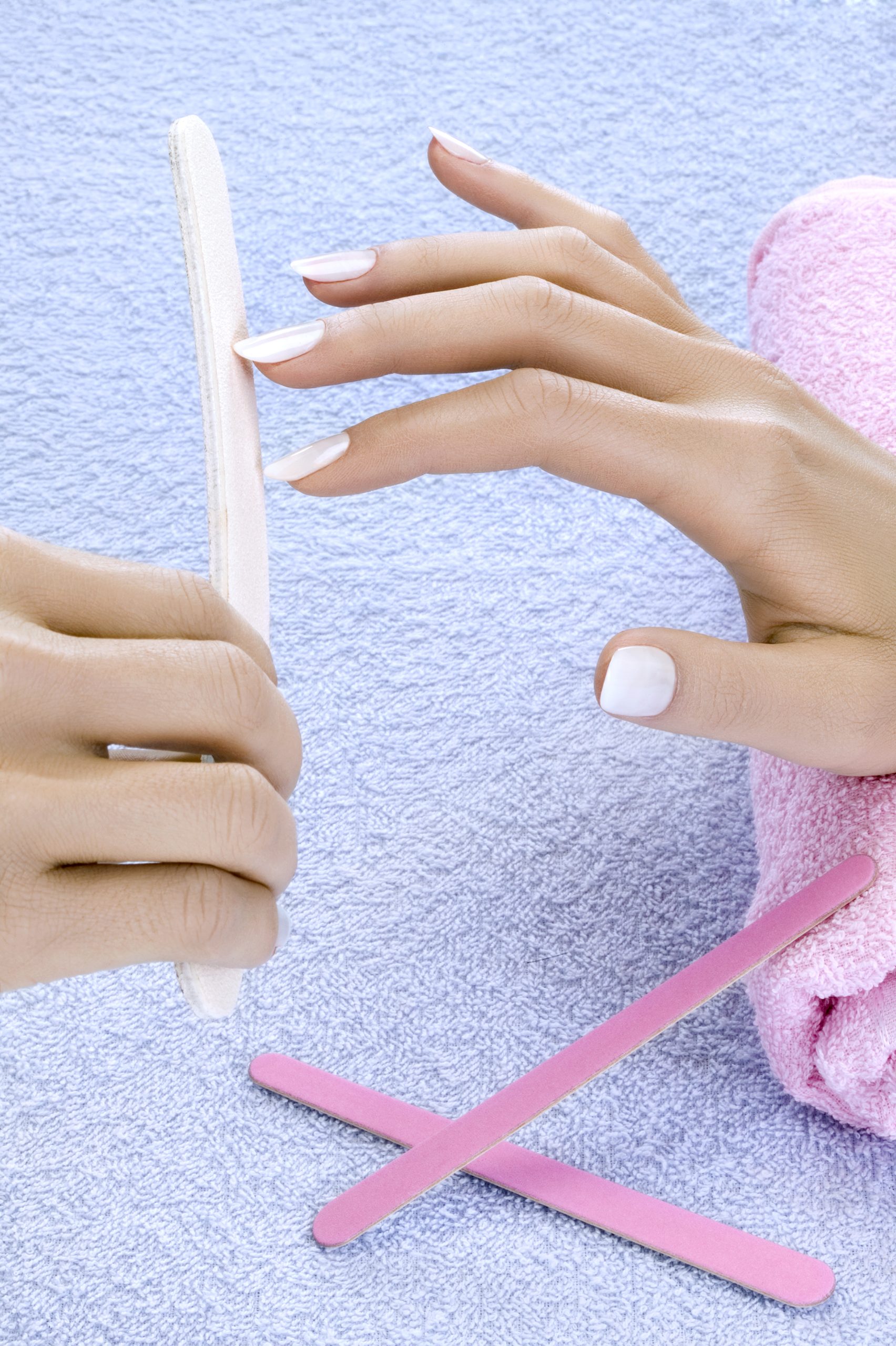
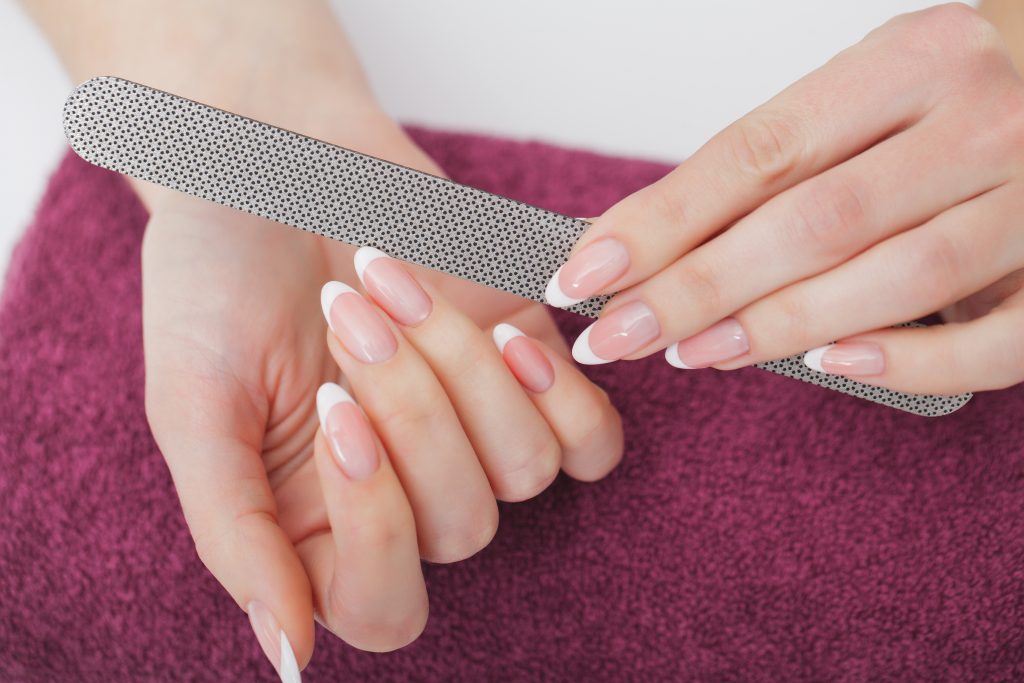
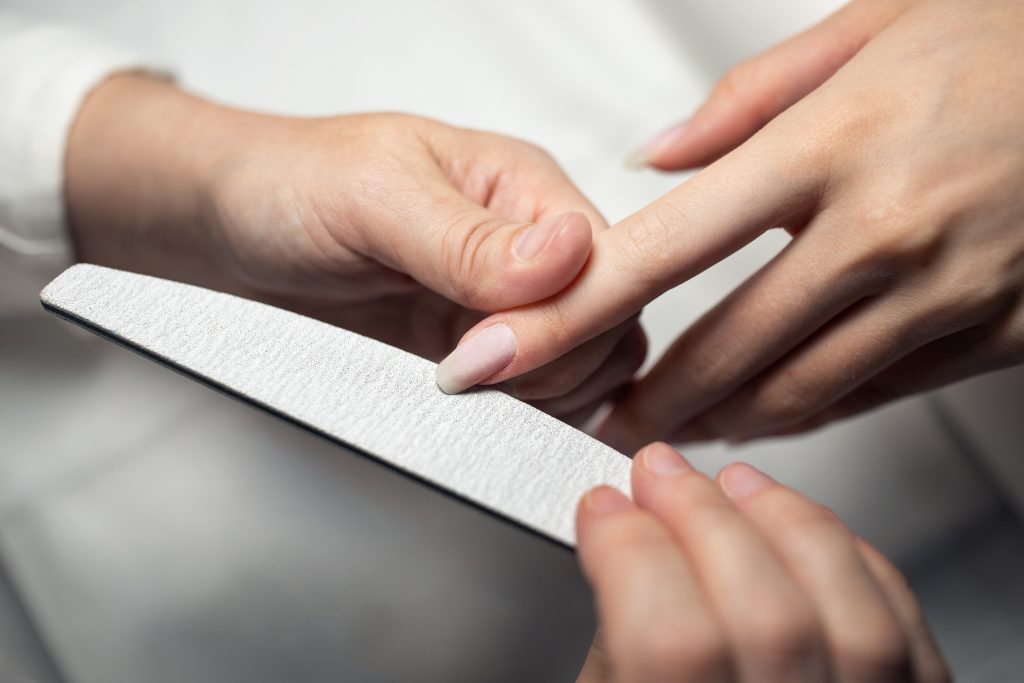
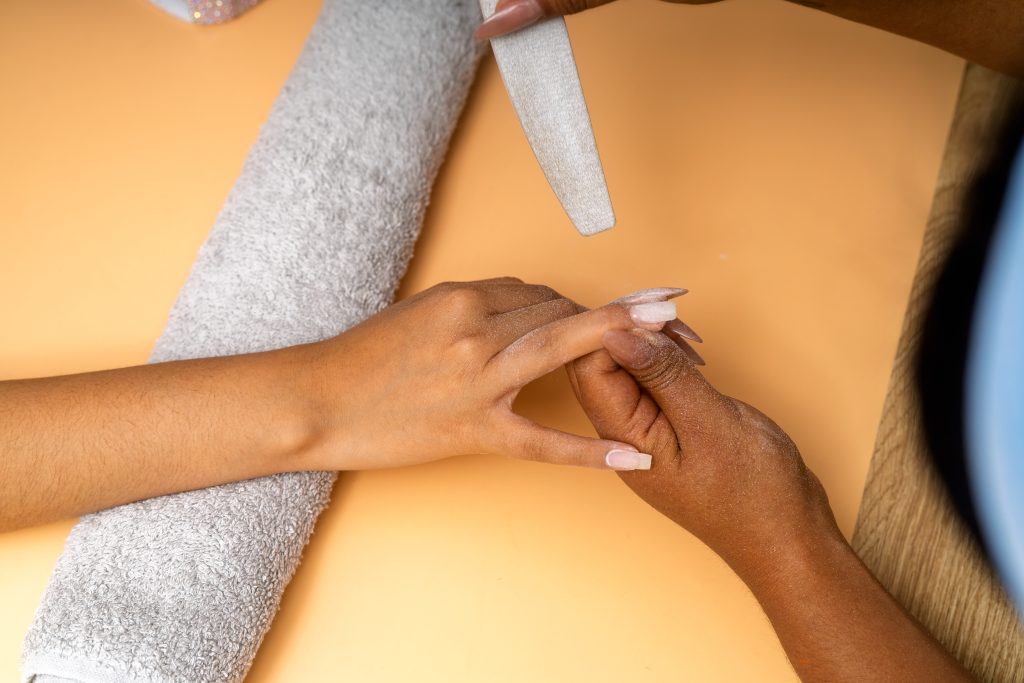
| Gentle Filing | Prevents micro-tears along the free edge. | Use a glass file, moving in one direction only, to seal the nail tip. |
| Avoid Water Immersion | Water causes the dehydrated layers of the nail to swell and separate, leading to worse peeling. | Always wear protective gloves when washing dishes or using cleaning agents. |
B. Initial Barrier Application
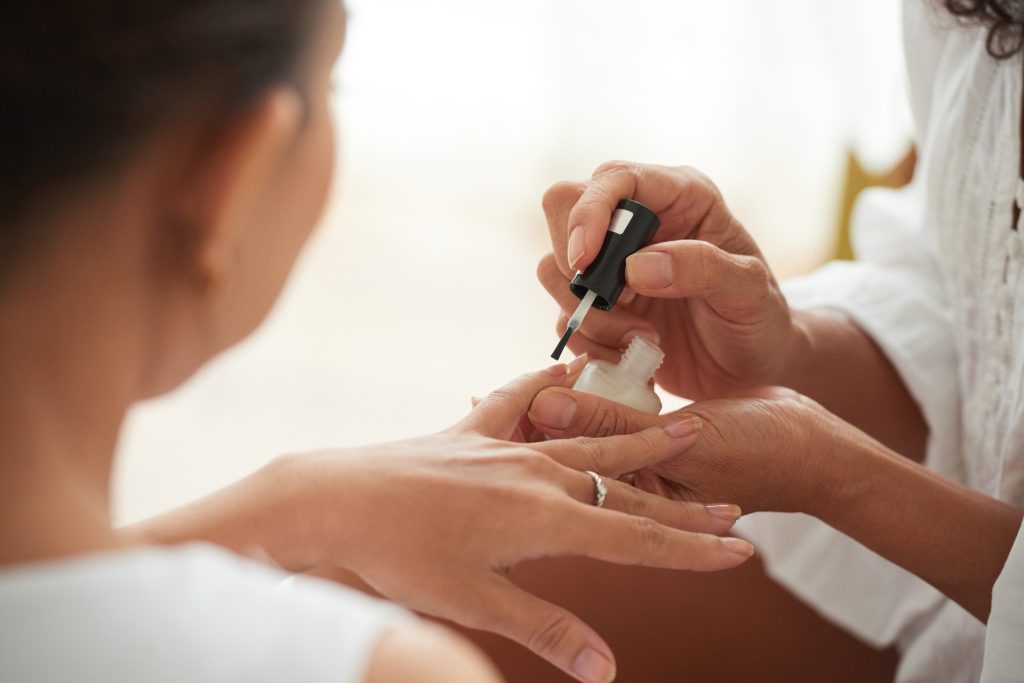
Apply a single, thin coat of a protective base coat or a protein treatment. This acts as a physical shield while you begin the healing process.
Phase 2: Intensive Treatment to Strengthen Nails After Acrylics
Recovery relies on consistent moisture and external support to bind the damaged layers.
A. Non-Negotiable: Consistent Hydration
You cannot strengthen nails after acrylics without deeply moisturizing them. Your nails are starved of natural oils.
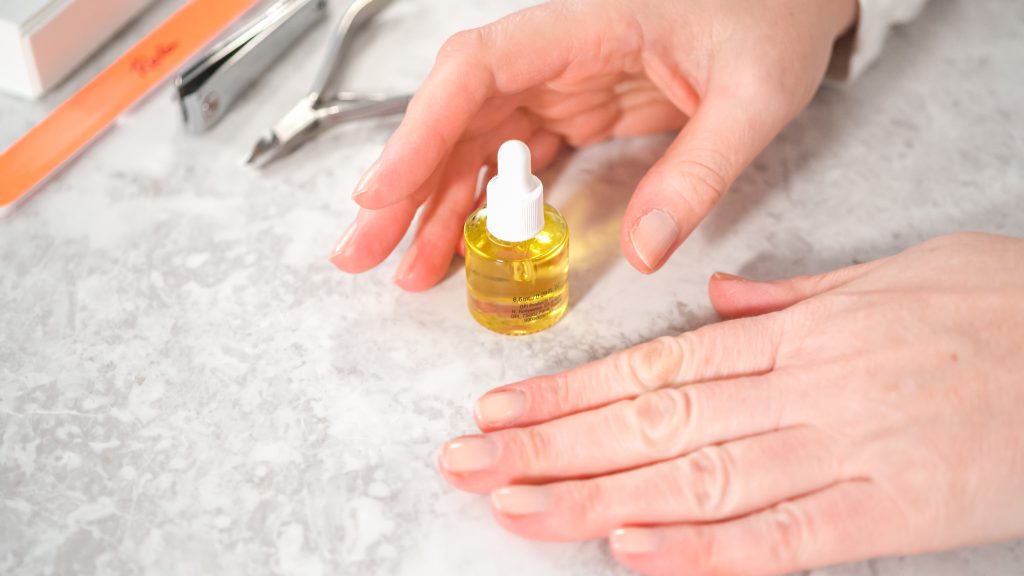
- The Power of Oil: Apply high-quality cuticle oil frequently—at least four times per day. Jojoba oil is highly recommended because its molecular structure allows it to penetrate the nail plate effectively.
- The Routine: Apply the oil to the cuticles and massage it down to the nail tip. Follow immediately with a rich hand cream to lock the moisture in.
B. Strategic Use of the Best Nail Strengthener
Choosing the right strengthener is key for nail repair after acrylics.
- Protein-Based Formulas: Opt for strengtheners that utilize hydrolyzed protein or keratin. These temporarily reinforce the structure.
- Application: Apply a fresh coat every 2–3 days, removing the old layers thoroughly but gently.
- Caution with Formaldehyde: Products with high levels of Formaldehyde can cause stiffness and brittleness over time in already damaged nails after acrylics. Use these sparingly, if at all, and only for short periods.
Phase 3: Long-Term Internal Support
True, lasting strength requires building the new nail growth from the healthiest foundation possible. This ensures future nail plates will be strong.
- Dietary Building Blocks: Increase consumption of lean proteins (the source of keratin) and foods rich in Biotin (Vitamin B7) and Zinc.
- Supplementation: While always consult a doctor, adding a Biotin supplement can support the production of healthy keratin cells as they form in the nail matrix.
- Internal Hydration: Maintain excellent water intake. Hydration is key to preventing the dryness that contributes to thin, peeling nails.
Recovery Habits: What to Avoid
To maintain your progress in learning how to strengthen nails after acrylics, you must protect your healing progress.
- No Prying: Avoid using your nails as tools to scrape or open things. Use the pads of your fingers or actual tools.
- Skip the Gels (For Now): Resist the temptation to cover the damage with another layer of gel or acrylic. Allow at least a three-month breathing period for recovery.
FAQ
How long does it take to strengthen nails after acrylics?
Expect to see initial improvement within 2 to 4 weeks. However, a full recovery requires the damaged nail to grow out completely, which typically takes 4 to 6 months.
What is the best way to repair thin nails after acrylics?
The most effective method is consistent hydration. Apply a high-quality cuticle oil 3–5 times daily and use a keratin-based strengthener to provide a protective physical barrier.
Why are my nails peeling after acrylics?
Nails peel because the filing and removal process strips away the natural protective layers. This damage leaves the nail plate dehydrated and unable to hold its layers together.
Can I wear polish while trying to strengthen nails after acrylics?
Yes, but avoid harsh gel or dip powders. Use 7-free or breathable nail polish and always apply a nourishing base coat to protect the nail from staining and further drying.
Does Biotin help nail repair after acrylics?
Yes. Biotin (Vitamin B7) supports the production of keratin, the protein that makes up your nails. Taking a supplement can help the new nail grow in thicker and more resilient.